Vocabularies

English Vocabulary Dictionary | Word Meanings, Definitions & Examples

noun C1
/səˈbætɪkəl/
用于学习或旅行的休假期 (yòng yú xuéxí huò lǚxíng de xiūjià qī)

A period of paid leave granted to a teacher or worker for study or travel, traditionally every seventh year.

"She took a sabbatical to research her new book."

"她为了研究她的新书而休了一个萨巴提卡尔假期。" (Tā wèile yánjiū tā de xīn shū ér xiūle yīgè sàbàtí kǎ ěr jiàqī.)
noun C1
/ˌsæbəˈtɜːr/
破坏者 (pòhuàizhě)

A person who engages in sabotage.

"The saboteur was arrested before he could plant the bomb."

"破坏者在放置炸弹之前被逮捕了。" (Pòhuàizhě zài fàngzhì zhàdàn zhīqián bèi dàibǔ le.)
adjective C1
/ˌsækrɪˈfɪʃəl/
祭献的 (jìxiàn de)

Relating to or involving sacrifice.

"The lamb was used as a sacrificial offering in the ritual."

"这只羊在仪式中被用作祭献的礼物。" (Zhè zhī yáng zài yíshì zhōng bèi yòng zuò jìxiàn de lǐwù.)
noun C1
/ˈsækrɪlɪdʒ/
亵渎 (xièdú)

Violation or misuse of what is regarded as sacred.

"Stealing from the temple was considered an act of sacrilege."

"从寺庙偷窃被视为亵渎行为。" (cóng sìmiào tōuqiè bèi shì wéi xièdú xíngwéi.)
adjective C1
/ˌsækrəˈlɪdʒəs/
亵渎的 (xièdú de)

Showing disrespect or irreverence toward something sacred.

"The painting was criticized as being sacrilegious."

"这幅画被批评为亵渎的。" (zhè fú huà bèi pīpíng wéi xièdú de.)
adjective C1
/ˈsæk.rəˌsæŋkt/
神圣不可侵犯的 (shensheng bukeqinfa de)

Regarded as too important or valuable to be interfered with; sacred.

"Freedom of speech is considered sacrosanct in democratic societies."

"言论自由在民主社会中被视为神圣不可侵犯的。" (Yanlun ziyou zai minzhu shehui zhong bei shi wei shensheng bukeqinfa de.)
adjective C1
/səˈdɪs.tɪk/
施虐狂 (shī nuè kuáng)

Deriving pleasure from inflicting pain or suffering on others.

"The villain had a sadistic smile while hurting his enemies."

"恶棍在伤害敌人时露出了施虐狂的笑容。" (Ègùn zài shānghài dírén shí lùchūle shī nuè kuáng de xiàoróng.)
noun C1
/ˈsæf.rən/
藏红花 (zàng hóng huā)

A spice derived from the flower of Crocus sativus, used for flavoring and coloring food.

"She added saffron to the rice for flavor and color."

"她将藏红花加入米饭中以增加风味和颜色。" (Tā jiāng zàng hóng huā jiārù mǐfàn zhōng yǐ zēngjiā fēngwèi hé yánsè.)
noun C1
/ˈsɑːɡə/
长篇故事 (changpian gushi)

A long story of heroic achievement, or a long, complex series of events.

"The company's rise and fall became a corporate saga."

"公司的兴衰成为了一部企业传奇。" (Gongsi de xingshuai chengwei le yi bu qiye chuanqi.)
Sage definition card — visual illustration of the meaning
noun C1
/seɪdʒ/
智者 (zhìzhě)

A profoundly wise person, or wise through reflection and experience.

"The old sage was respected for his wisdom."

"这位年长的智者因其智慧而受到尊敬。" (Zhè wèi nián zhǎng de zhìzhě yīn qí zhìhuì ér shòudào zūnjìng.)
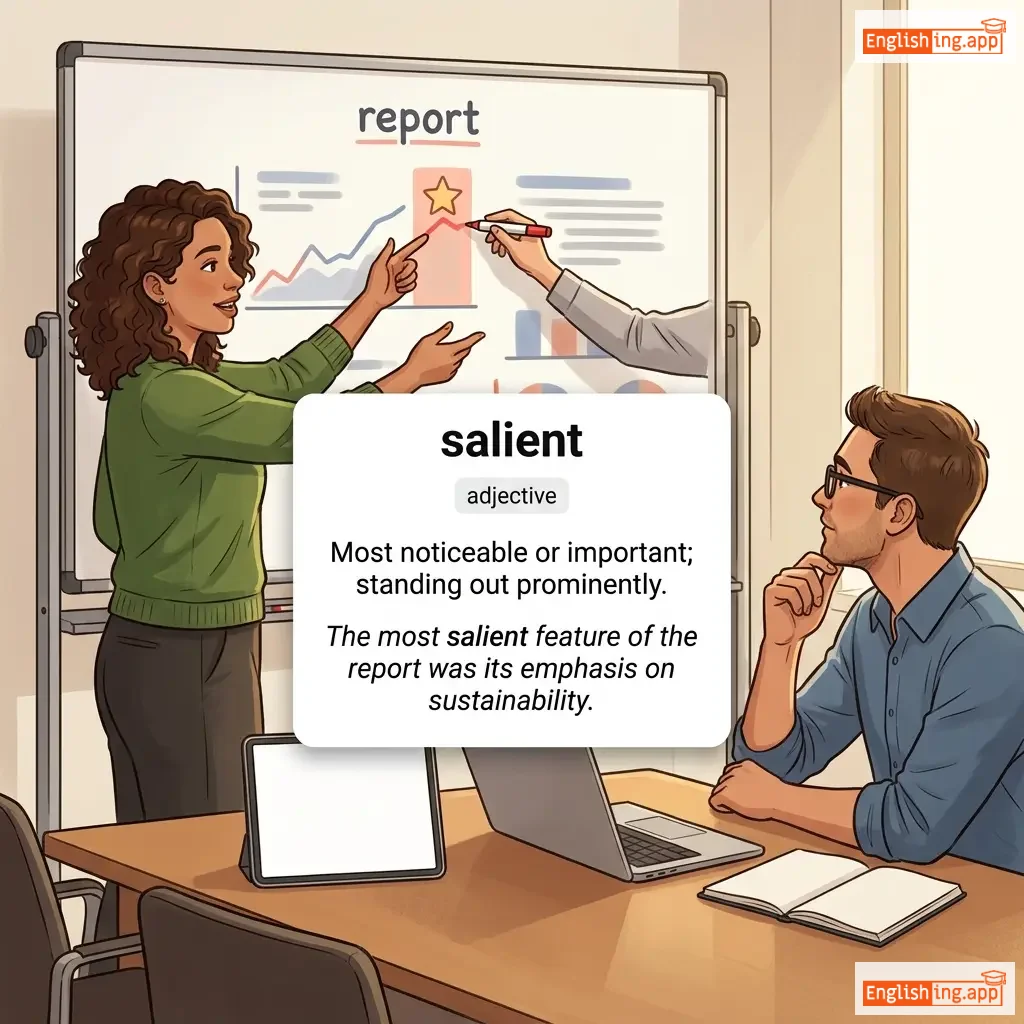
salient definition card — visual illustration of the meaning
adjective C1
/ˈseɪ.li.ənt/
突出特点 (tūchū tèdiǎn)

Most noticeable or important; standing out prominently.

"The most salient feature of the report was its emphasis on sustainability."

"报告中最突出的一点是其对可持续发展的强调。" (Bàogào zhōng zuì tūchū de yī diǎn shì qí duì kěchíxù fāzhǎn de qiángdiào.)
adjective C1
/ˈseɪ.liːn/
盐水的 (yán shuǐ de)

Containing or resembling salt; salty.

"Doctors often use saline solution to clean wounds."

"医生们常常使用盐水溶液清洁伤口。" (Yīshēngmen chángcháng shǐyòng yánshuǐ róngyè qīngjié shāngkǒu.)
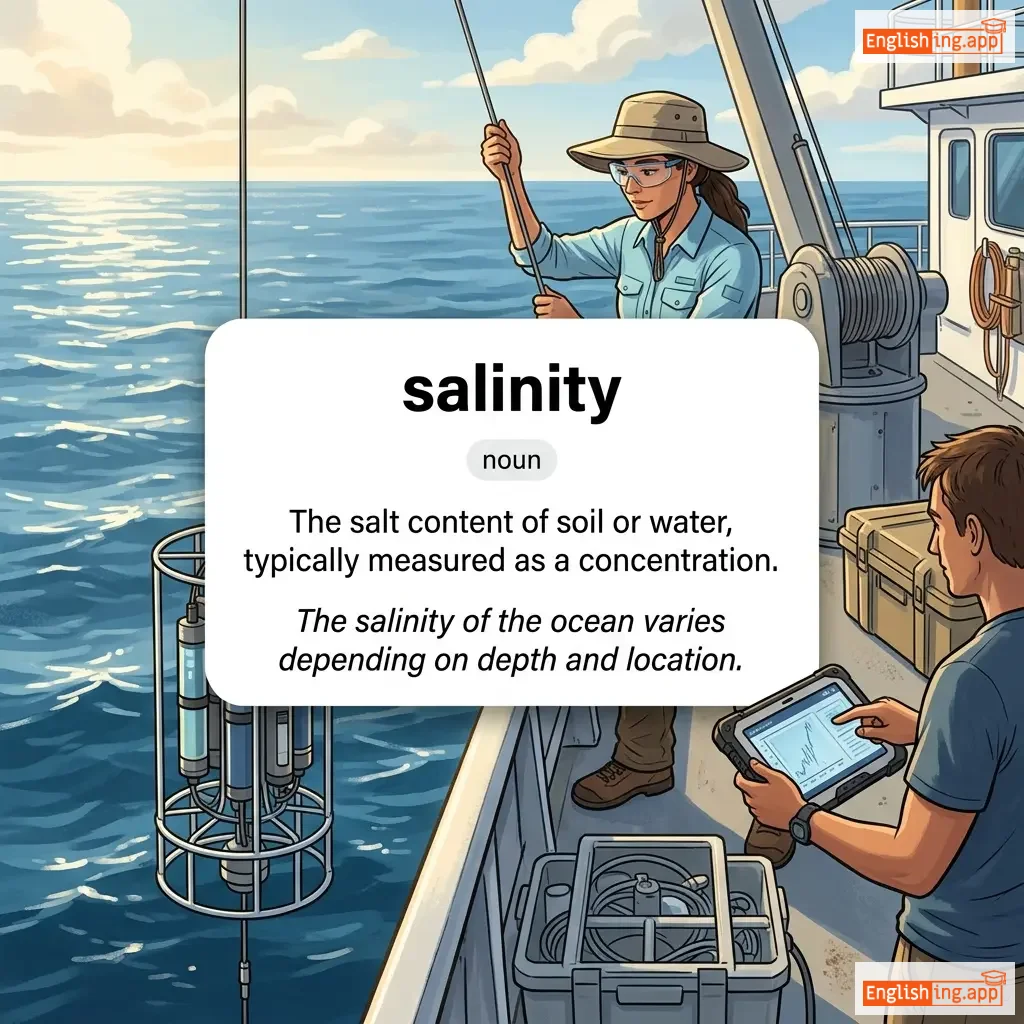
salinity definition card — visual illustration of the meaning
noun C1
/səˈlɪn.ə.t̬i/
盐度, 盐浓度 (yándù, yán nèngdù)

The salt content of soil or water, typically measured as a concentration.

"The salinity of the ocean varies depending on depth and location."

"海洋的盐度会根据深度和位置变化。" (hǎiyáng de yándù huì gēnjù shēndù hé wèizhì biànhuà.)
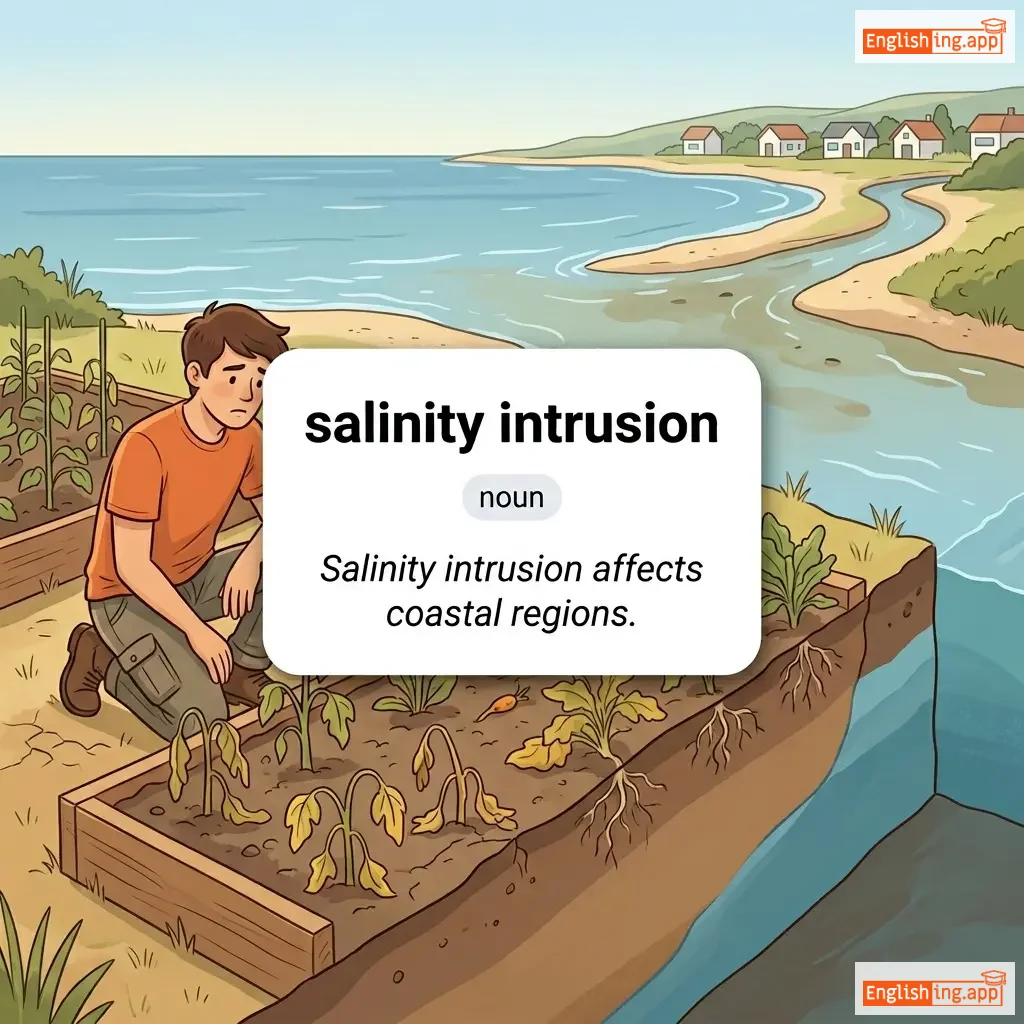
salinity intrusion definition card — visual illustration of the meaning
noun C1
səˈlɪnɪti ɪnˈtruːʒən
盐水入侵 (yán shuǐ rùqīn)

The movement of salt water into freshwater areas, typically affecting coastal regions.

"Salinity intrusion affects coastal regions."

"盐水入侵影响沿海地区。" (Yán shuǐ rùqīn yǐngxiǎng yánhǎi dìqū.)
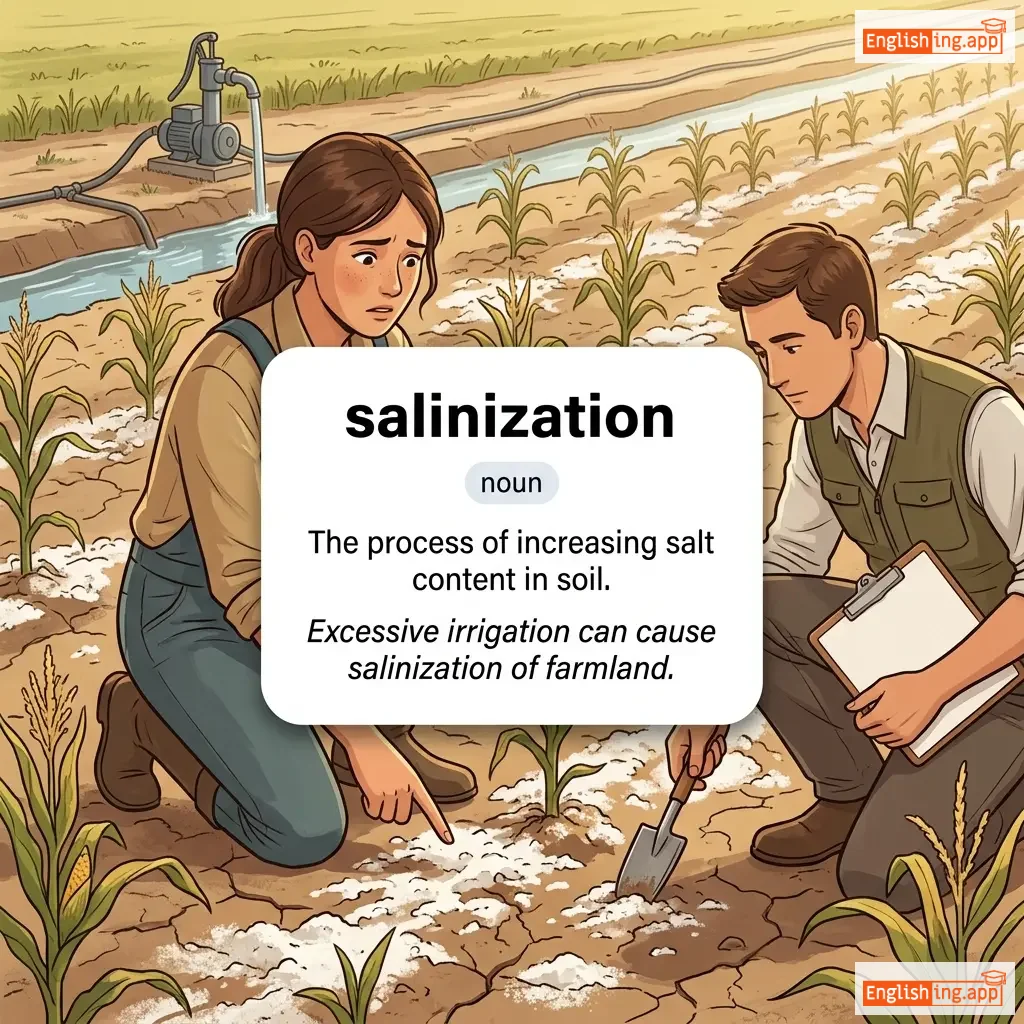
salinization definition card — visual illustration of the meaning
noun C1
/ˌsæl.ɪ.naɪˈzeɪ.ʃən/
盐分增加 (yanfen zengjia)

The process of increasing salt content in soil.

"Excessive irrigation can cause salinization of farmland."

"过度灌溉可能导致农田盐分增加。" (Guòdù guàngài kěnéng dǎozhì nóngtián yánfèn zēngjiā.)
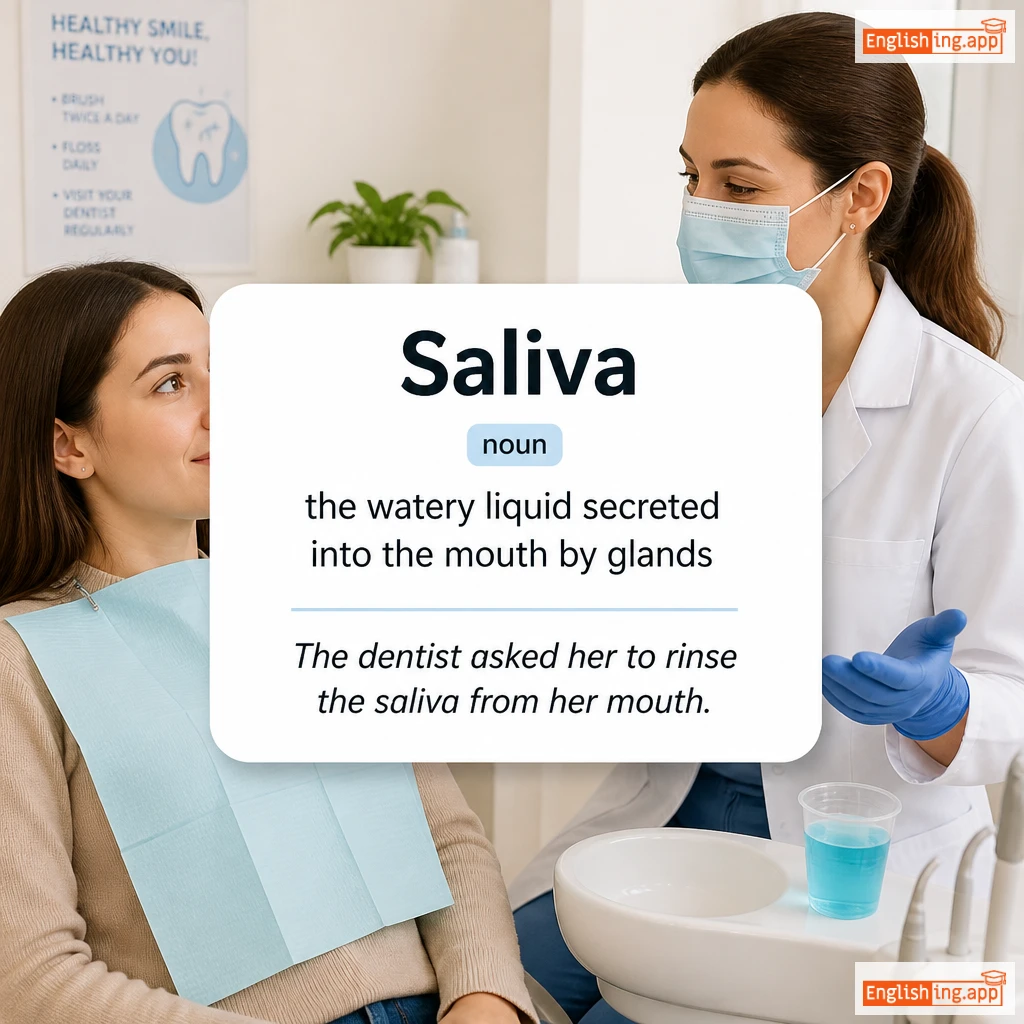
Saliva definition card — visual illustration of the meaning
noun C1
/səˈlaɪ.və/
唾液 (tuo ye)

the watery liquid secreted into the mouth by glands

"The dentist asked her to rinse the saliva from her mouth."

"牙医让她把口腔里的唾液漱掉。" (ya yi rang ta ba kou qiang li de tuo ye shu diao)
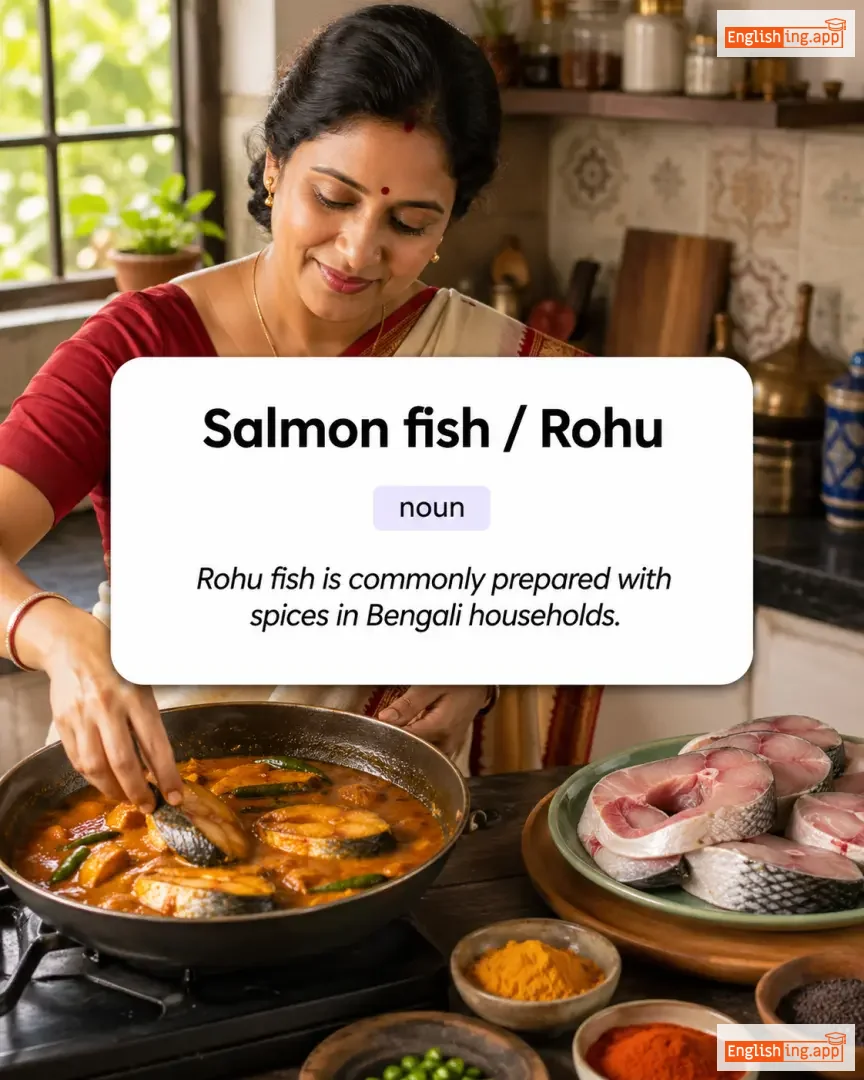
Salmon fish / Rohu definition card — visual illustration of the meaning
noun C1
/ˈsæl.mən fɪʃ / ˈroʊ.huː/
罗胡鱼 (luo hu yu)

a freshwater fish popular in South Asian cuisine; also refers to salmon which is a different species

"Rohu fish is commonly prepared with spices in Bengali households."

"罗胡鱼通常在孟加拉家庭中用香料烹饪。" (Luo hu yu tongchang zai Mengjiala jiating zhong yong xiangliao pengren.)
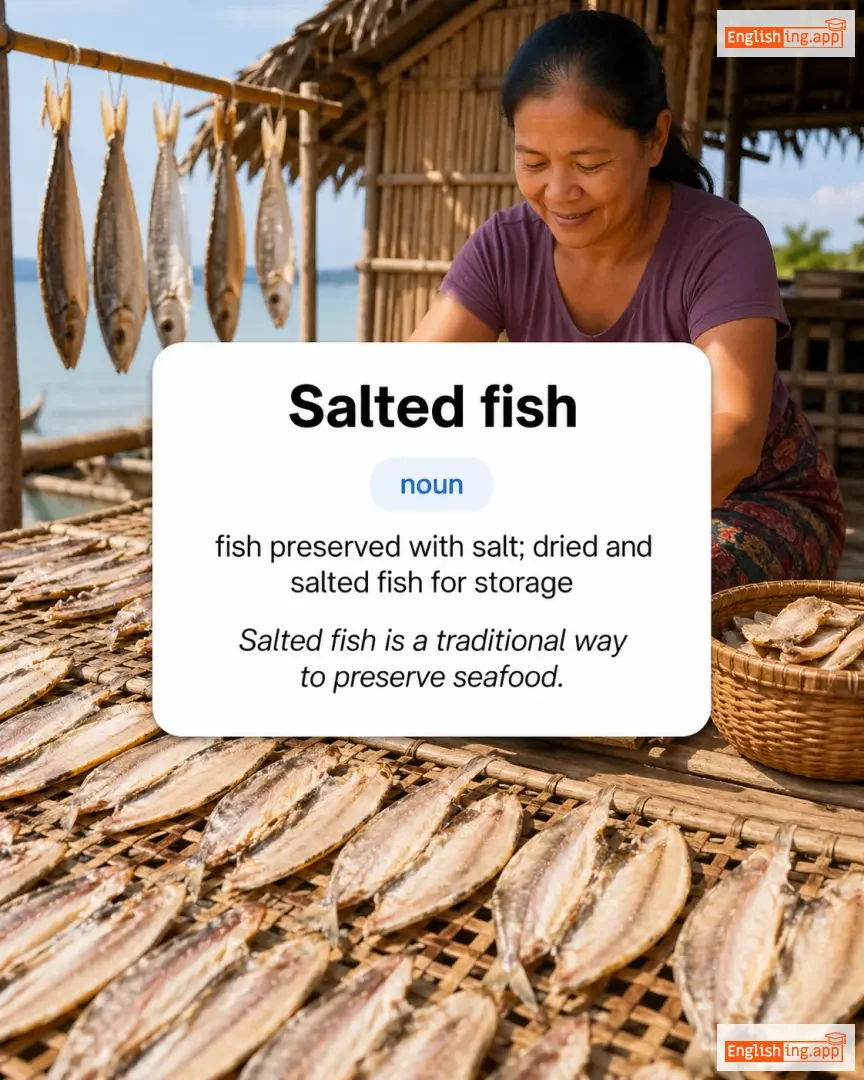
Salted fish definition card — visual illustration of the meaning
noun C1
/ˈsɔːl.tɪd fɪʃ/
咸鱼 (xian yu)

fish preserved with salt; dried and salted fish for storage

"Salted fish is a traditional way to preserve seafood."

"咸鱼是保存海鲜的传统方法。" (xian yu shi baocun haixian de chuantong fangfa)
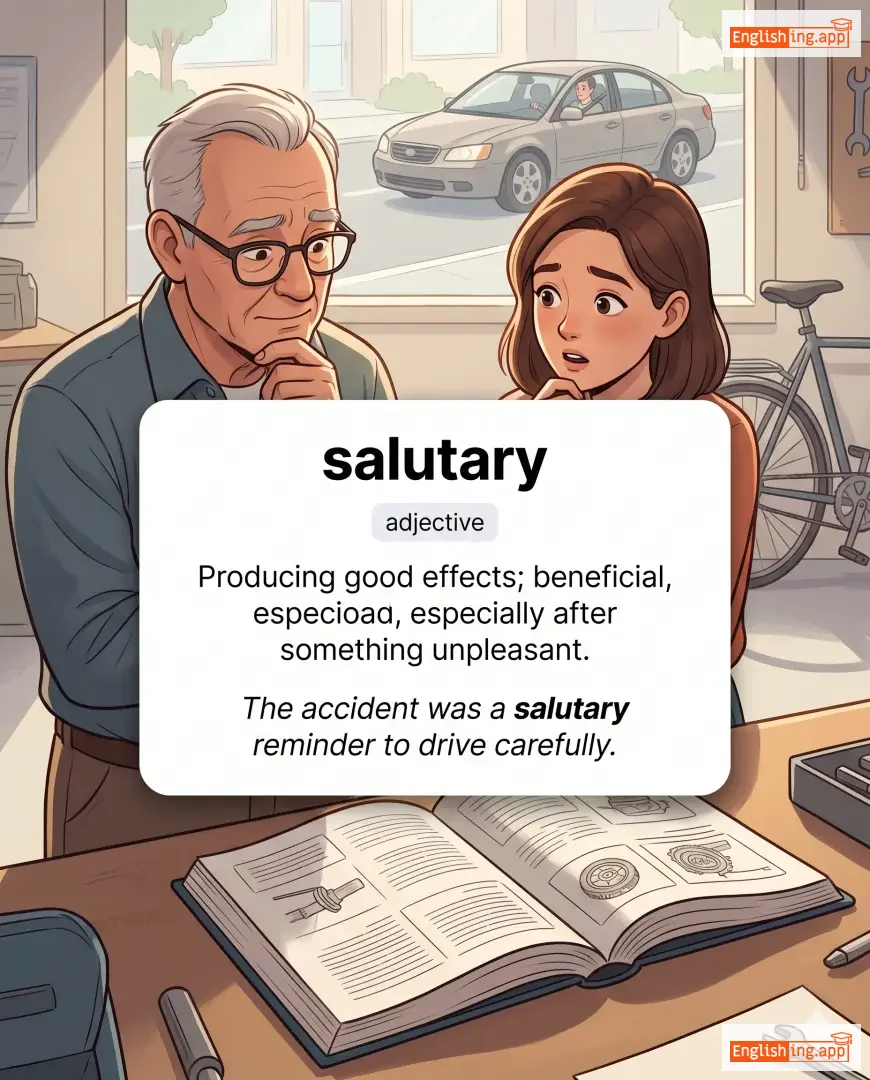
salutary definition card — visual illustration of the meaning
adjective C1
/ˈsæljʊˌtɛri/
有益的 (youyi de)

Producing good effects; beneficial, especially after something unpleasant.

"The accident was a salutary reminder to drive carefully."

"这场事故是一个有益的提醒,要小心驾驶。" (Zhe chang shigu shi yige youyi de tixing, yao xiaoxin jiashi.)
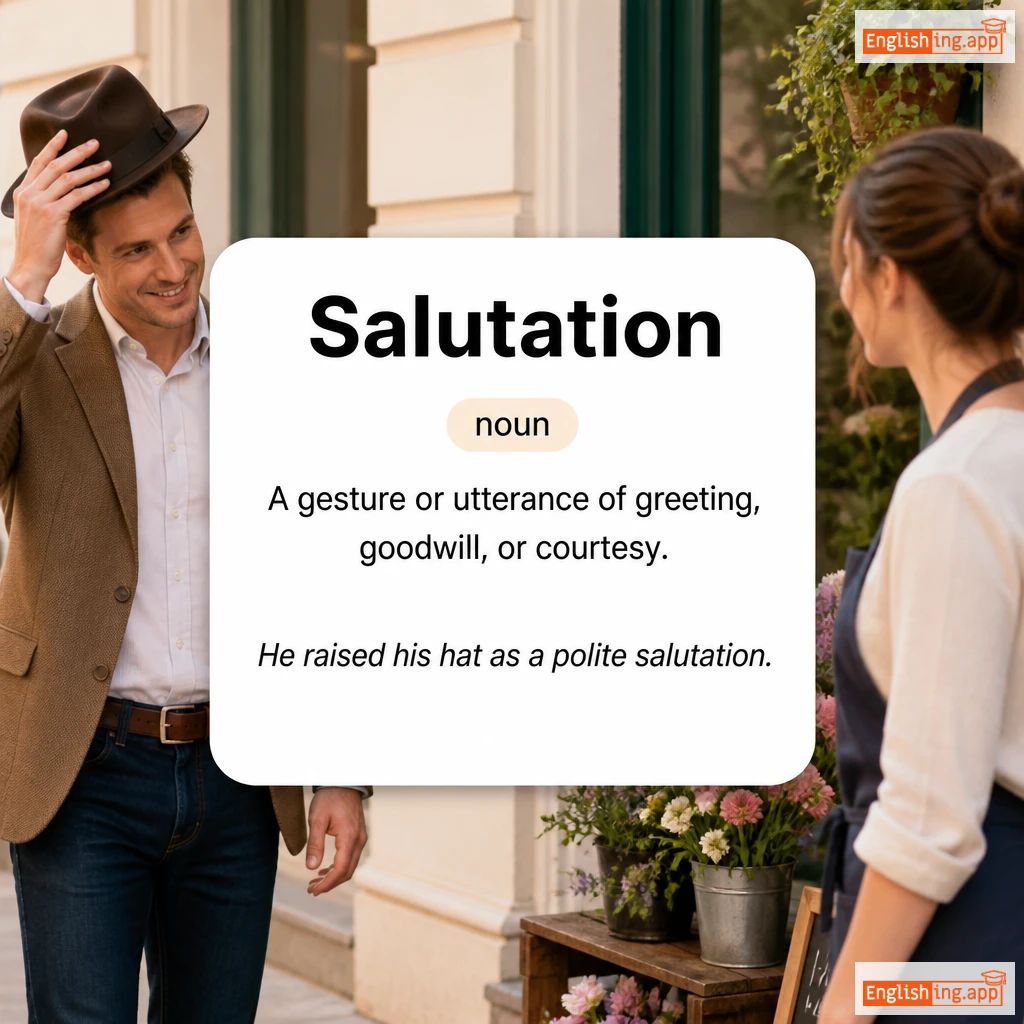
Salutation definition card — visual illustration of the meaning
noun C1
/ˌsæljʊˈteɪʃən/
问候 (wènhòu)

A gesture or utterance of greeting, goodwill, or courtesy.

"He raised his hat as a polite salutation."

"他举起帽子作为礼貌的问候。" (Tā jǔ qǐ màozi zuòwéi lǐmào de wènhòu.)
verb C1
/ˈsælvɪdʒ/
挽救 (wǎn jiù)

To save something from loss, damage, or destruction.

"They managed to salvage some goods from the fire."

"他们成功地从火灾中挽救了一些货物。" (Tāmen chénggōng de cóng huǒzāi zhōng wǎn jiù le yīxiē huòwù.)
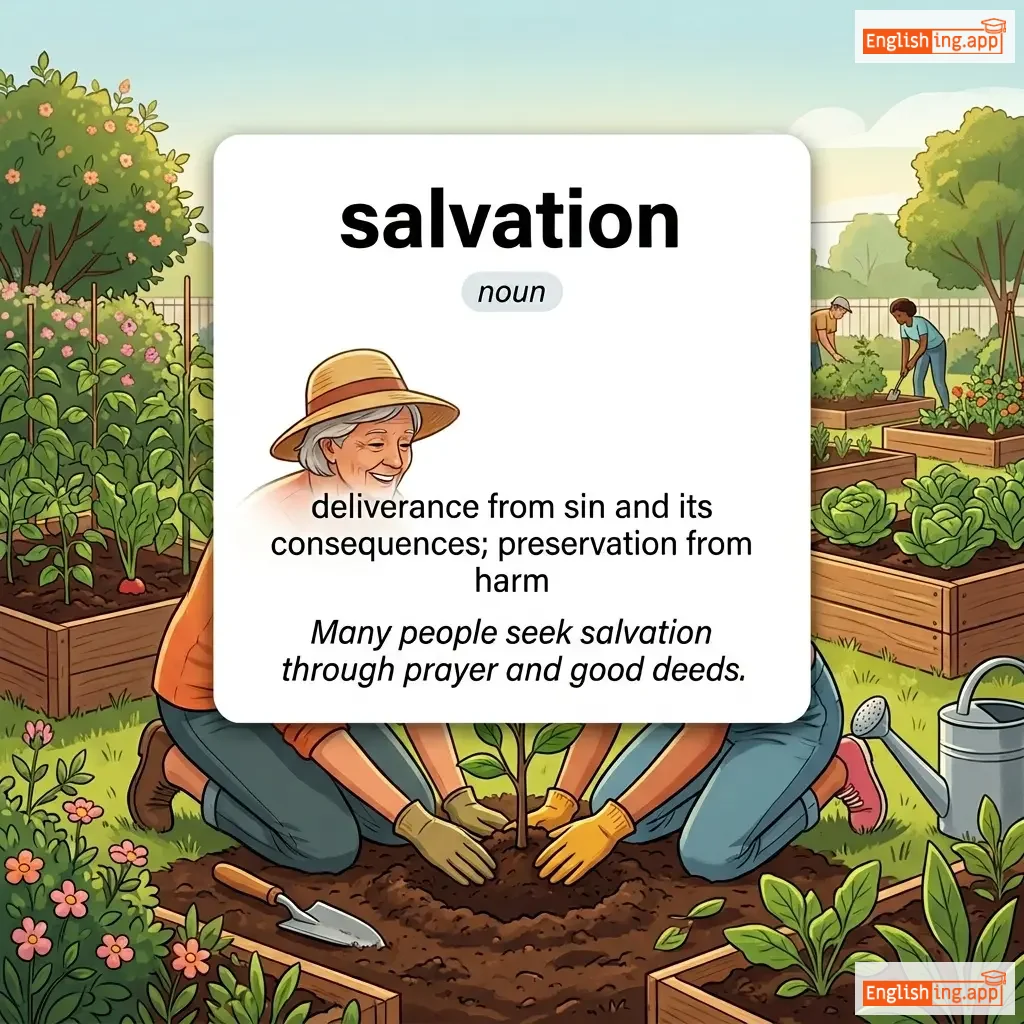
salvation definition card — visual illustration of the meaning
noun C1
/sælˈveɪ.ʃən/
拯救 (zhengjiu)

deliverance from sin and its consequences; preservation from harm

"Many people seek salvation through prayer and good deeds."

"许多人通过祷告和善行寻求拯救。" (xǔduō rén tōngguò dǎogào hé shànxíng xúnqiú zhěngjiù.)
adjective C1
/ˌsæŋktɪˈmoʊniəs/
伪善的虔诚 (wěi shàn de qián chéng)

Making a show of being morally superior to others; hypocritically pious.

"He gave a sanctimonious speech about honesty while he himself was corrupt."

"他发表了一篇关于诚实的伪善演讲,而他自己却腐败了。" (Ta fabiao le yipian guanyu chengshi de weishan yanjiang, er ta ziji que fubai le.)
Sanction definition card — visual illustration of the meaning
⚖️

Sanction

noun/verb C1
/ˈsæŋkʃən/

An official permission or approval; also a penalty imposed to enforce rules.

"The government imposed sanctions on the company for violating trade laws."

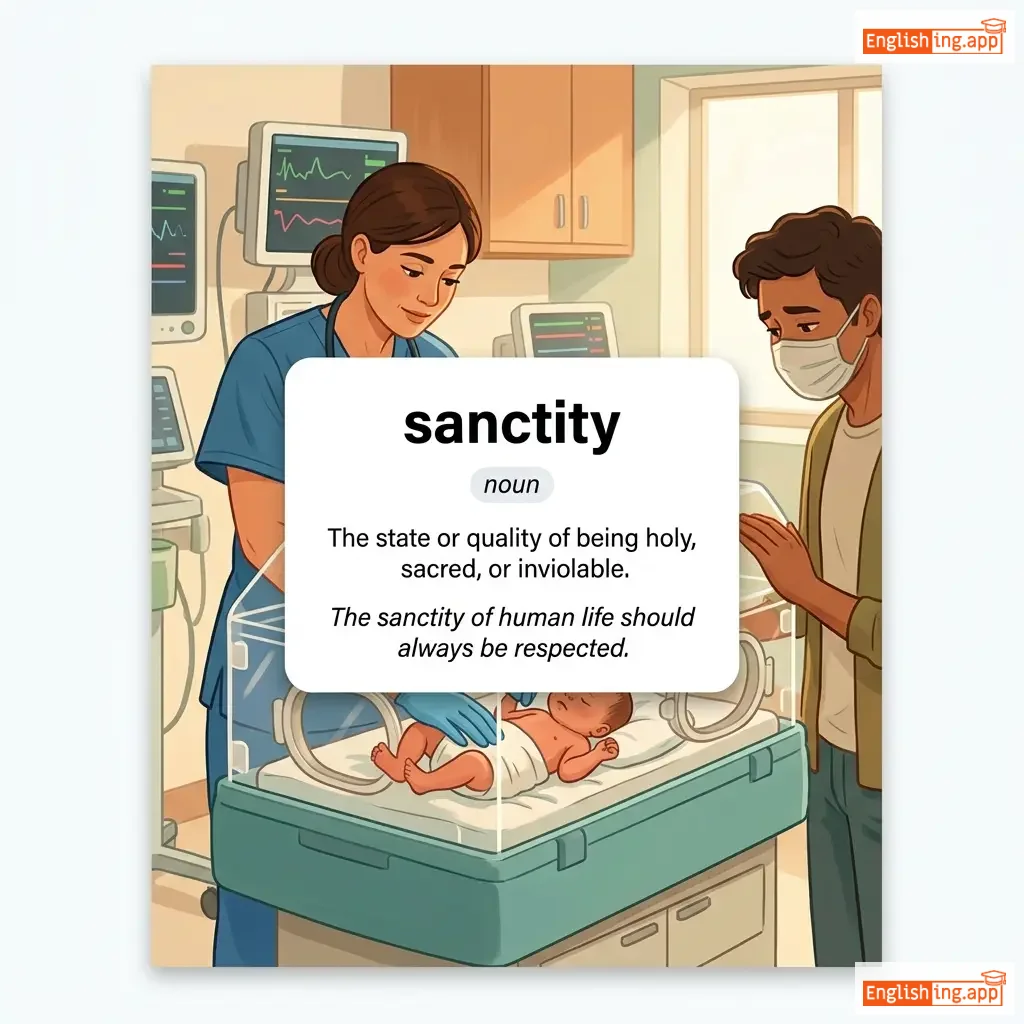
sanctity definition card — visual illustration of the meaning
noun C1
/ˈsæŋk.tə.ti/
神圣性 (shenshengxing)

The state or quality of being holy, sacred, or inviolable.

"The sanctity of human life should always be respected."

"人类生命的神圣性应始终受到尊重。" (Renlei shengming de shenshengxing ying shizhong shoudao zunzhong.)
adjective C1
/ˈsæŋɡwɪn/
乐观的 (leguande)

Optimistic or positive, especially in a difficult situation.

"Despite the challenges, she remained sanguine about the future."

"尽管面临挑战,她依然对未来保持乐观。" (Jin guan mianlin tiaozhan, ta yiran dui weilai baochi leguan.)
sanitization definition card — visual illustration of the meaning
noun C1
ˌsæn.ɪ.taɪˈzeɪ.ʃən
消毒 (xiaodu)

The process of cleaning and disinfecting to eliminate germs and bacteria.

"Regular sanitization keeps appliances germ-free."

"定期消毒保持设备无菌。" (Dingqi xiaodu baochi shebei wu jun.)
verb, noun C1
/sæp/
树液 / 削弱 (shuye / xueruo)

As a noun: the vital fluid in plants; As a verb: to gradually weaken or drain strength.

"The long journey began to sap his energy."

"长途旅行开始削弱他的能量。" (Changtu lüxing kaishi xueruo tade nengliang.)
Saphire definition card — visual illustration of the meaning
noun C1
/ˈsæf.aɪər/
蓝宝石 (lan baoshi)

a precious stone that is typically blue in color

"The royal crown was adorned with a large sapphire."

"皇家王冠上镶嵌着一颗大蓝宝石。" (Huangjia wangguan shang xiangqian zhe yi ke da lanbaoshi.)
sardonic definition card — visual illustration of the meaning
adjective C1
/sɑːrˈdɒnɪk/
幸福 (xingfu)

Grimly mocking or cynical.

"She gave him a sardonic smile after hearing his excuse."

"她在收到奖项时,无法隐藏自己的幸福。" (Tā zài shōudào jiǎngxiàng shí, wúfǎ yǐncáng zìjǐ de xìngfú.)
noun C1
/ˈsɑːri/
纱丽 (shali)

a garment consisting of a length of cotton or silk elaborately draped around the body, traditionally worn by women from South Asia

"She looked elegant in her red silk saree at the festival."

"她在节日上穿着红色丝绸纱丽看起来非常优雅。" (Ta zai jieri shang chuanzhuo hongse sichou shali kankilai feichang youya.)
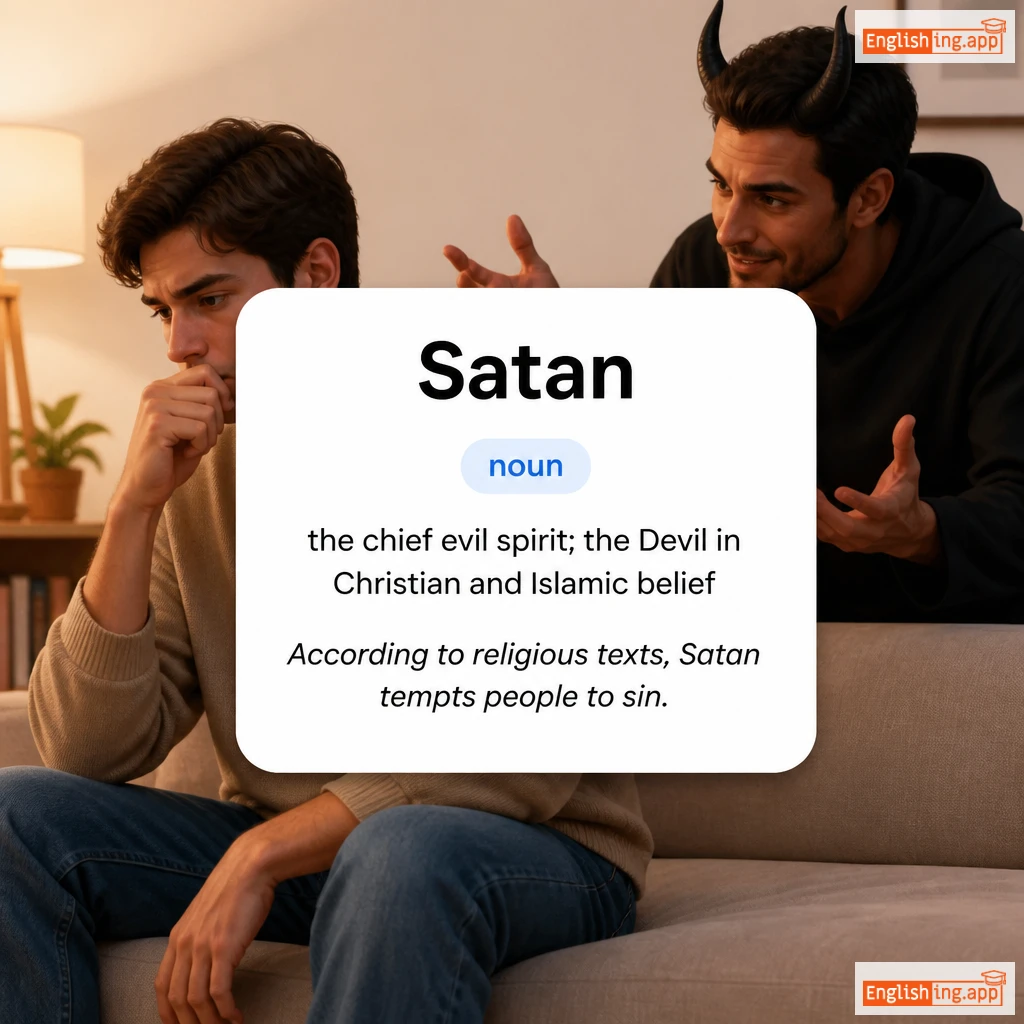
Satan definition card — visual illustration of the meaning
noun C1
/ˈseɪ.tən/
撒旦 (Sàdàn)

the chief evil spirit; the Devil in Christian and Islamic belief

"According to religious texts, Satan tempts people to sin."

"根据宗教经典,撒旦诱惑人们犯罪。" (Gēnjù zōngjiào jīngdiǎn, Sàdàn yòuhuò rénmen fànzuì.)
adjective C1
/səˈtɪrɪk/
讽刺的 (fèngcì de)

Relating to or using satire.

"The novel takes a satiric view of urban life."

"这部小说从讽刺的角度看待城市生活。" (Zhè bù xiǎoshuō cóng fèngcì de jiǎodù kàndài chéngshì shēnghuó.)
adjective C1
/səˈtɪrɪkəl/
讽刺的 (fèngcì de)

containing or using satire to criticize or mock

"The satirical cartoon mocked the government's new policy."

"讽刺漫画嘲笑了政府的新政策。" (Fèngcì mànhuà cháoxiàole zhèngfǔ de xīn zhèngcè.)
verb C1
/ˈsætəˌraɪz/
讽刺 (fèngcì)

to mock or criticize something using satire

"The play satirizes the greed of modern corporations."

"这部剧讽刺了现代公司的贪婪。" (Zhè bù jù fèngcì le xiàndài gōngsī de tān lán.)
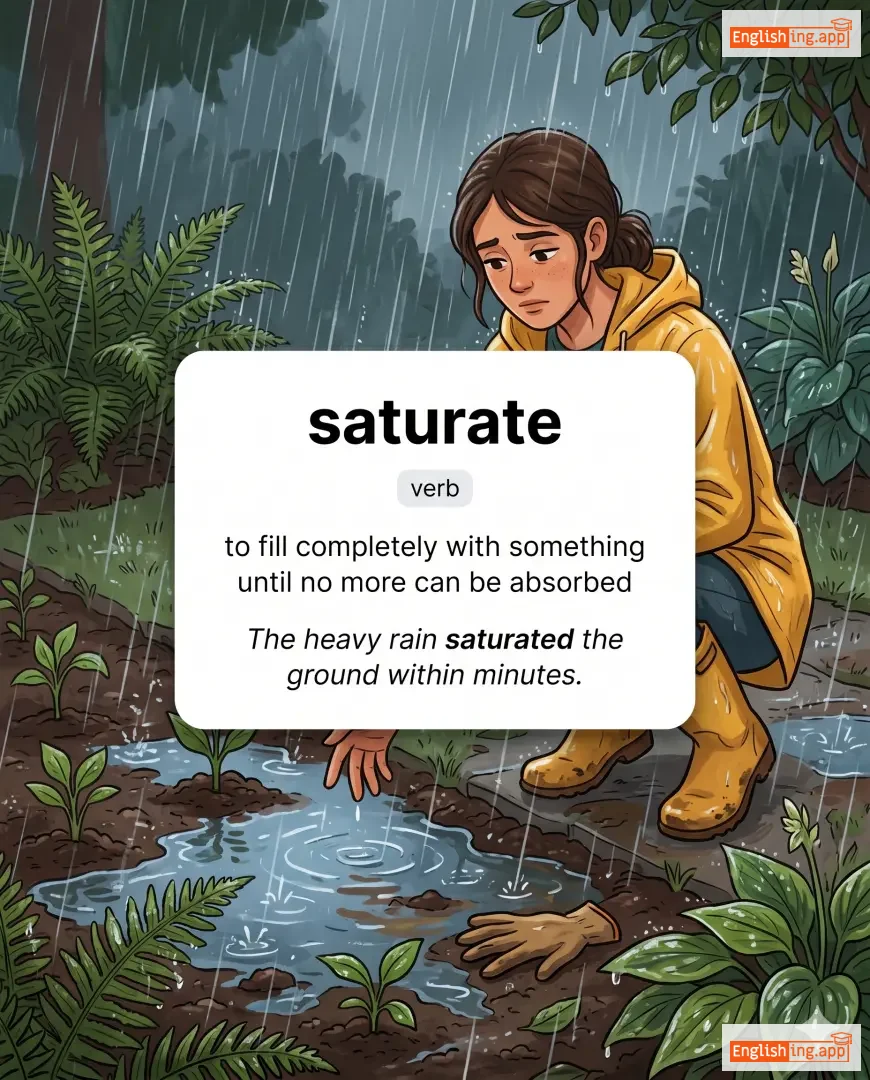
saturate definition card — visual illustration of the meaning
verb C1
/ˈsætʃəˌreɪt/

to fill completely with something until no more can be absorbed

"The heavy rain saturated the ground within minutes."

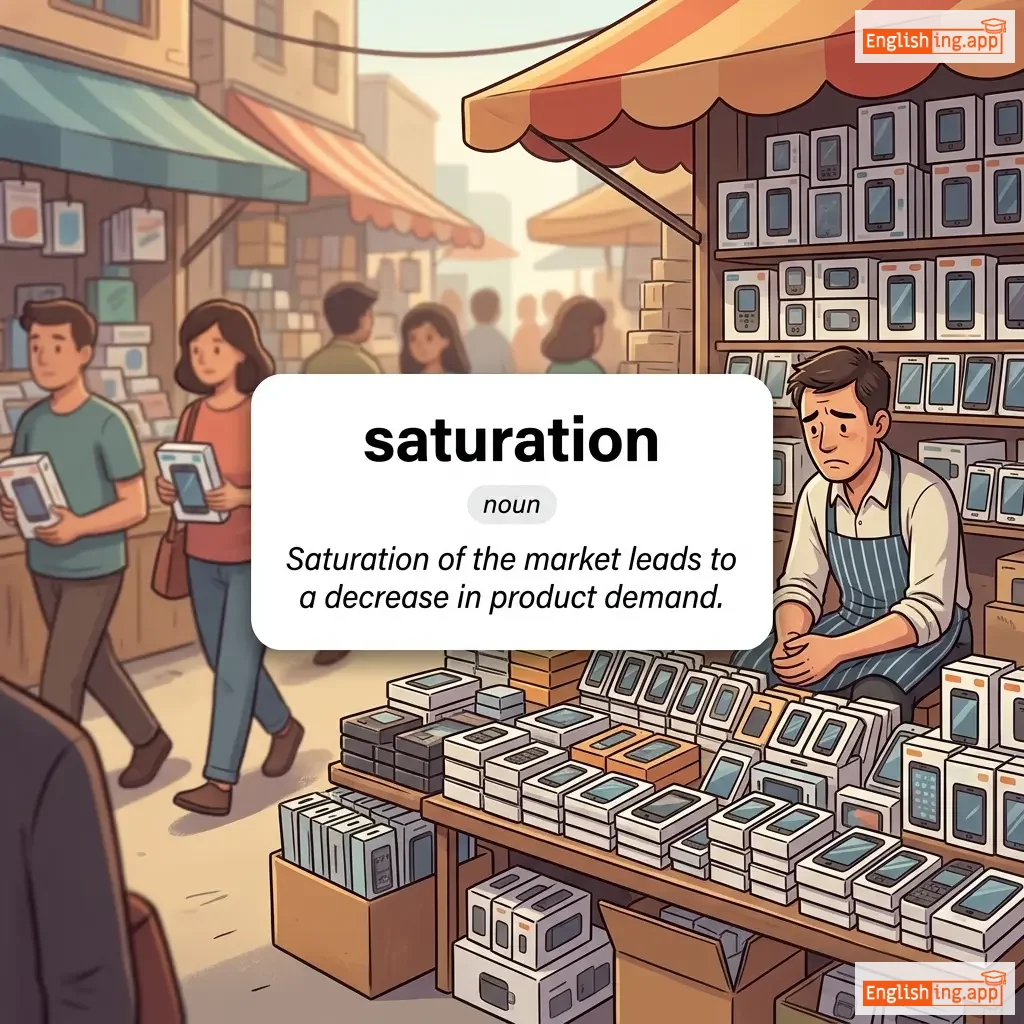
saturation definition card — visual illustration of the meaning
noun C1
/ˌsætʃəˈreɪʃən/
饱和 (baohua)

The state or process that occurs when no more of something can be absorbed, combined with, or added.

"Saturation of the market leads to a decrease in product demand."

"市场的饱和导致了产品需求的下降。" (Shichang de baohua daozhi le chanpin xuqiu de xiajiang.)
adjective C1
/ˈsɔːsi/
大胆的 (dàdǎn de)

Boldly rude, cheeky, or playfully disrespectful.

"The child gave a saucy reply to his teacher."

"那个孩子给老师一个大胆的回答。" (Nàgè háizi gěi lǎoshī yīgè dàdǎn de huídá.)
verb C1
/ˈsɔːntər/

to walk in a slow, relaxed manner without hurry or effort

"We sauntered along the riverside, stopping now and then to watch the boats."

noun C1
/səˈvænə/
草原(散布着树木) (cǎoyuán (sàn bù zhe shùmù))

a grassy plain with scattered trees, typical of tropical and subtropical regions

"Giraffes browsed on acacia trees across the wide savanna."

"长颈鹿在广阔的萨凡纳上吃着金合欢树的叶子。" (Chángjǐnglù zài guǎngkuò de sàfánnà shàng chī zhe jīn héhuān shù de yèzi.)
savor definition card — visual illustration of the meaning
verb C1
/ˈseɪ.vər/
尽情享受 (jìnqíng xiǎngshòu)

To enjoy something completely, especially by dwelling on it.

"He savored every bite of the delicious cake."

"他细细品味着美味的蛋糕。" (Tā xìxì pǐnwèi zhe měiwèi de dàngāo.)
adjective C1
/ˈseɪ.vər.i/
美味的(咸的或辣的) (měiwèi de (xián de huò là de))

Having a pleasant salty or spicy taste; morally acceptable.

"The restaurant serves a variety of savory dishes."

"这家餐厅提供各种美味的菜肴。" (Zhè jiā cāntīng tígōng gèzhǒng měiwèi de cài yáo.)
adjective C1
/ˈsæv.i/
聪明, 精明 (cōngmíng, jīngmíng)

Having practical knowledge and the ability to make good judgments.

"She is a tech-savvy entrepreneur."

"她是一位技术精通的企业家。" (Tā shì yī wèi jìshù jīngtōng de qǐyèjiā.)
noun C1
/ˈsɔː.dʌst/
锯末 (jùmò)

The tiny particles of wood produced by sawing or sanding.

"The floor was covered with sawdust from the carpentry work."

"地板上覆盖着来自木工工作的锯末。" (Dìbǎn shàng fùgàizhe láizì mùgōng gōngzuò de jùmò.)
Sawyer definition card — visual illustration of the meaning
noun C1
/ˈsɔːjər/
锯木工 (jù mù gōng)

a person who saws wood, especially as an occupation

"The skilled sawyer cut the logs into planks."

"熟练的锯木工将原木锯成木板。" (Shúliàn de jù mù gōng jiāng yuán mù jù chéng mù bǎn)
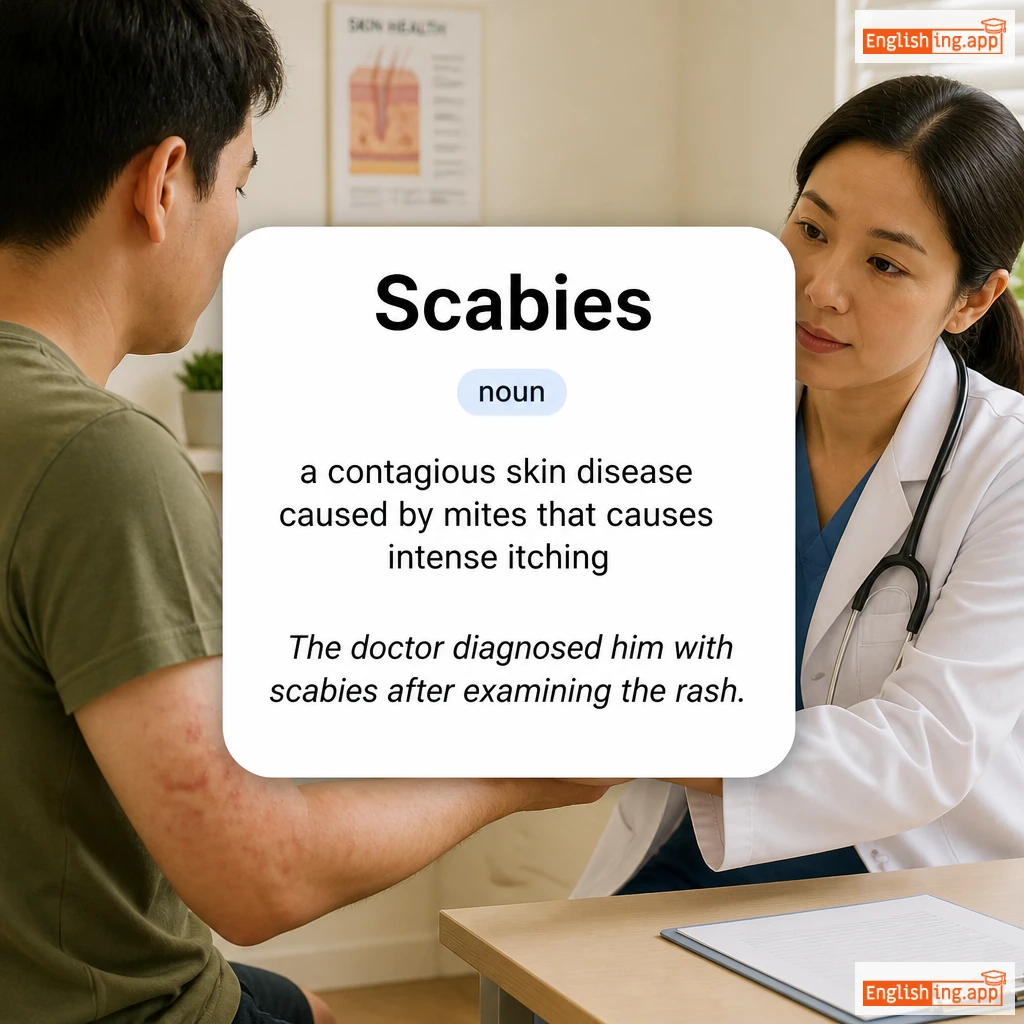
Scabies definition card — visual illustration of the meaning
noun C1
/ˈskeɪ.biːz/
疥疮 (jiechuang)

a contagious skin disease caused by mites that causes intense itching

"The doctor diagnosed him with scabies after examining the rash."

"医生在检查了皮疹后诊断他为疥疮。" (Yīshēng zài jiǎnchá le pízhěn hòu zhěnduàn tā wèi jiè chuāng.)
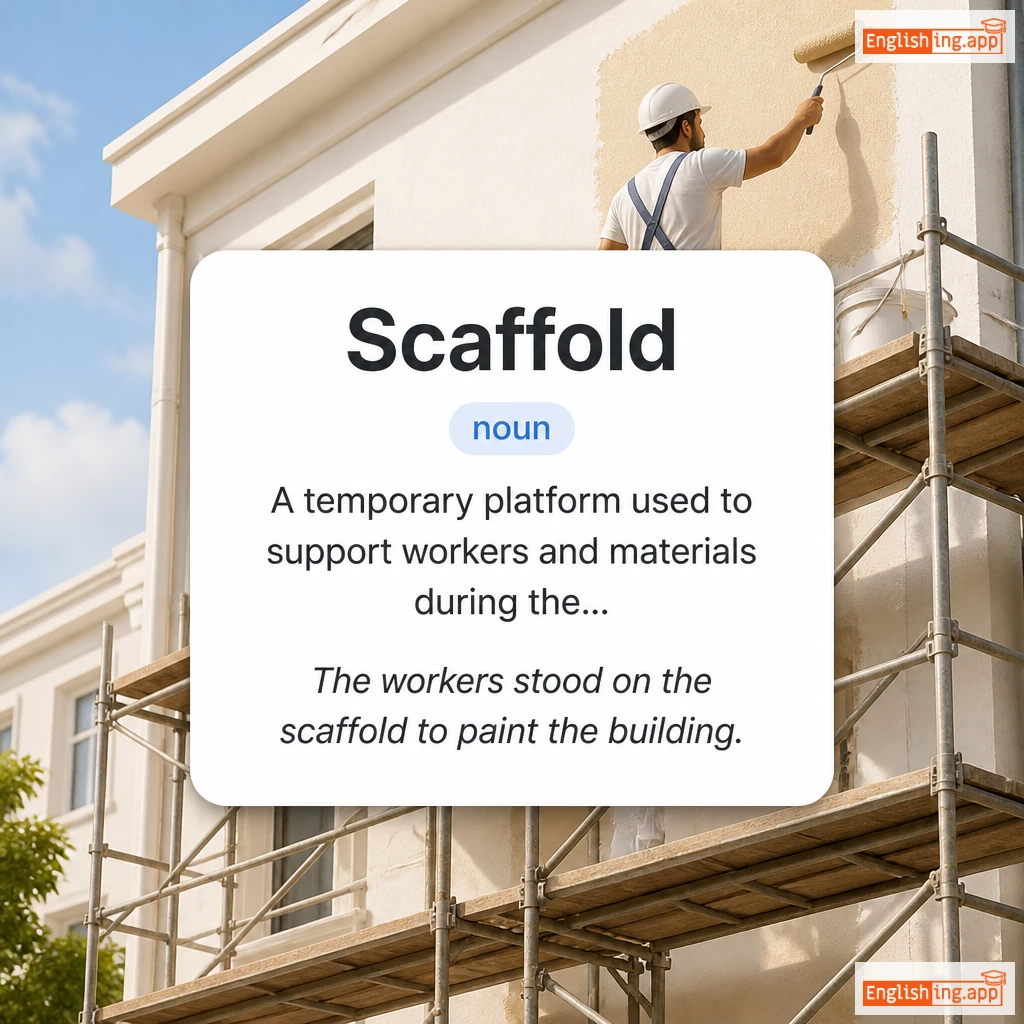
Scaffold definition card — visual illustration of the meaning
noun C1
/ˈskæf.əʊld/
脚手架 (jiaoshoujia)

A temporary platform used to support workers and materials during the construction or repair of a building.

"The workers stood on the scaffold to paint the building."

"工人们站在脚手架上涂漆。" (Gōngrénmen zhàn zài jiǎoshǒujià shàng túqī.)
scalability definition card — visual illustration of the meaning
noun C1
/ˌskeɪ.ləˈbɪl.ə.ti/
可扩展性 (ke kuozhansheng)

The ability to expand to larger scales while maintaining efficiency

"The startup focused on scalability to handle future growth."

"创业公司专注于可扩展性以应对未来的增长。" (Chuangye gongsi zhuanzhu yu ke kuozhansheng yi yingdui weilai de zengzhang.)
noun C1
/ˈskælpəl/
手术刀 (shǒu shù dāo)

A small and extremely sharp bladed instrument used for surgery and dissection.

"The surgeon carefully used a scalpel to make the first incision."

"外科医生小心地使用手术刀进行第一次切割。" (Wàikē yīshēng xiǎoxīn de shǐyòng shǒushù dāo jìnxíng dì yī cì qiēgē.)
adjective C1
/ˈskeɪ.li/
鳞片状的 (lin-pian zhuang de)

covered with scales; having a rough surface like scales

"The fish has scaly skin."

"那条鱼有鳞片的皮肤。" (Nà tiáo yú yǒu línpiàn de pífū.)