How Gaming Improves Cognitive Skills

In today's era, gaming is not just a medium of entertainment, it also helps improve human cognitive abilities. Research has shown that playing strategic games increases neuroplasticity, which helps the brain adapt to new challenges. Many algorithmic games enhance users' adaptability and discernment, as they learn to solve new problems at each level. Heuristic thinking improves the ability to make quick decisions, which is useful in real life.

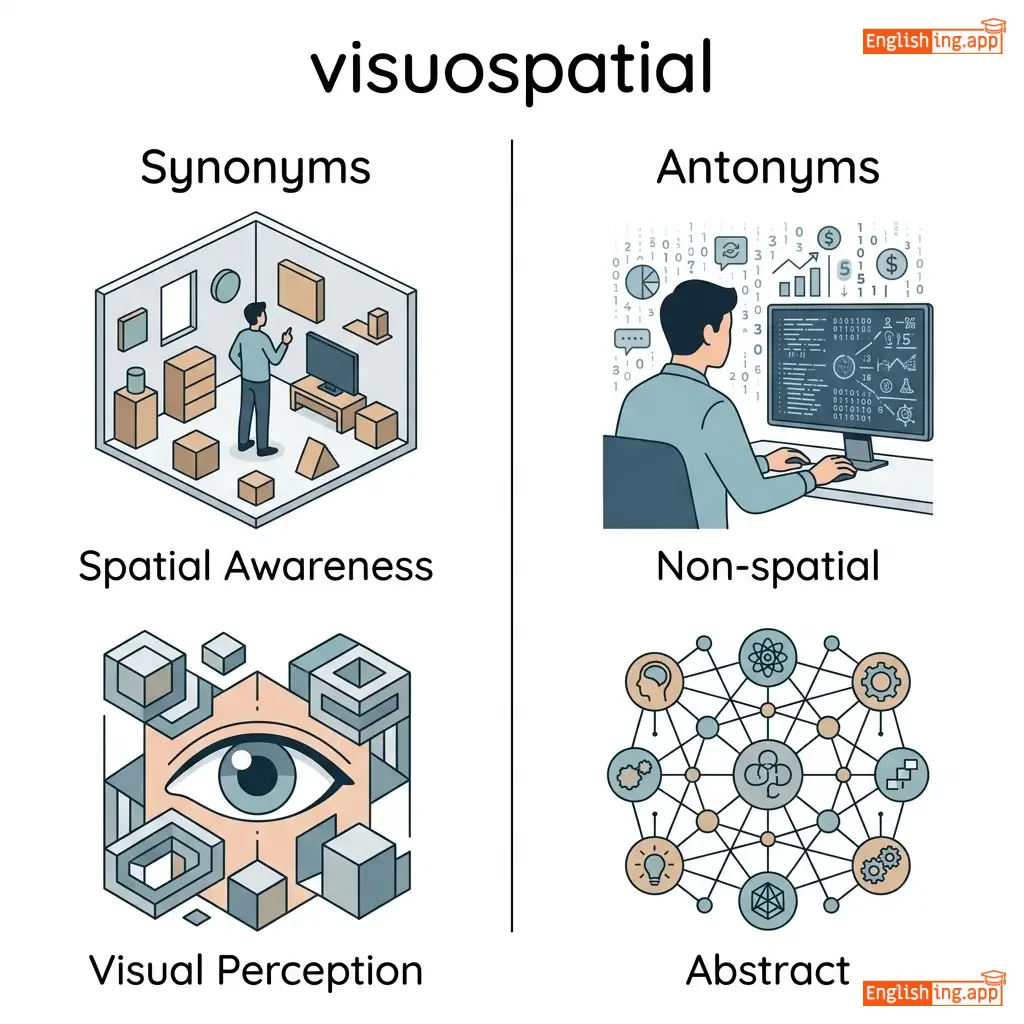
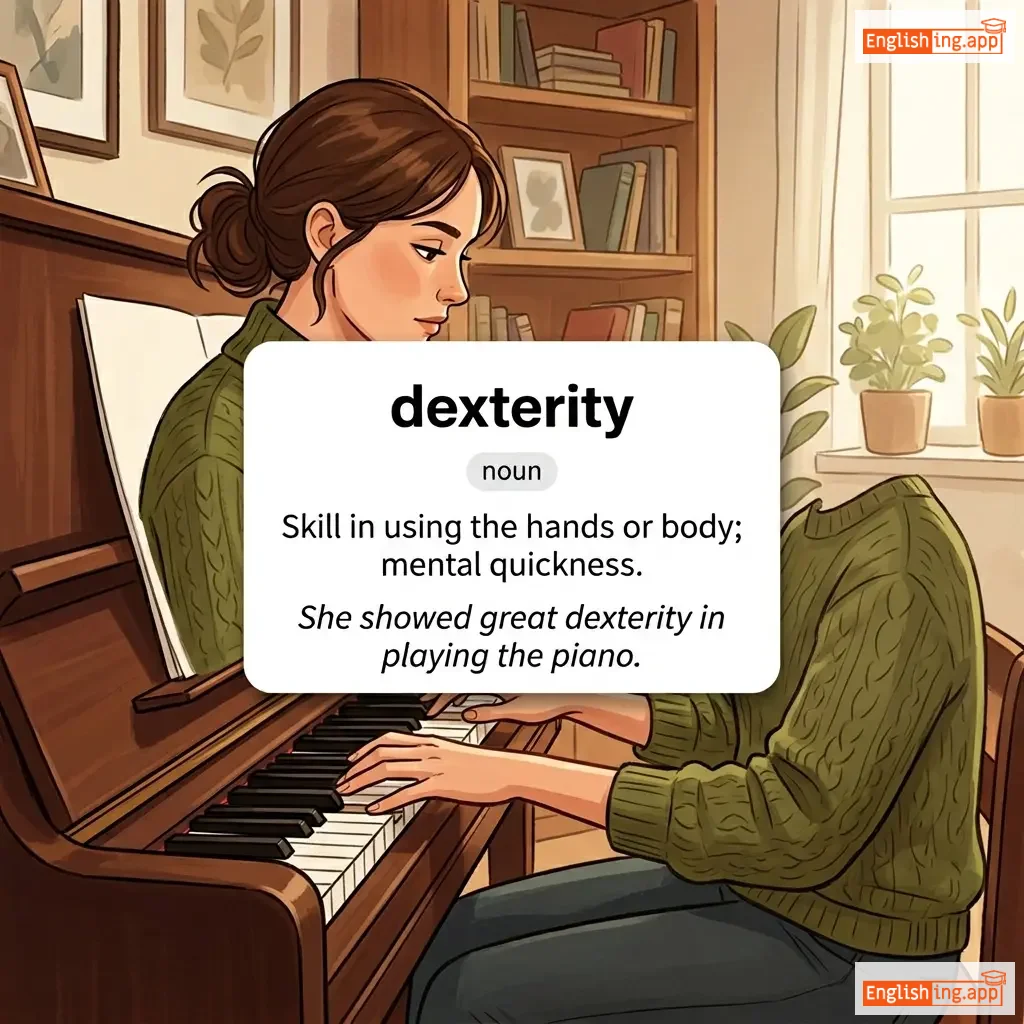
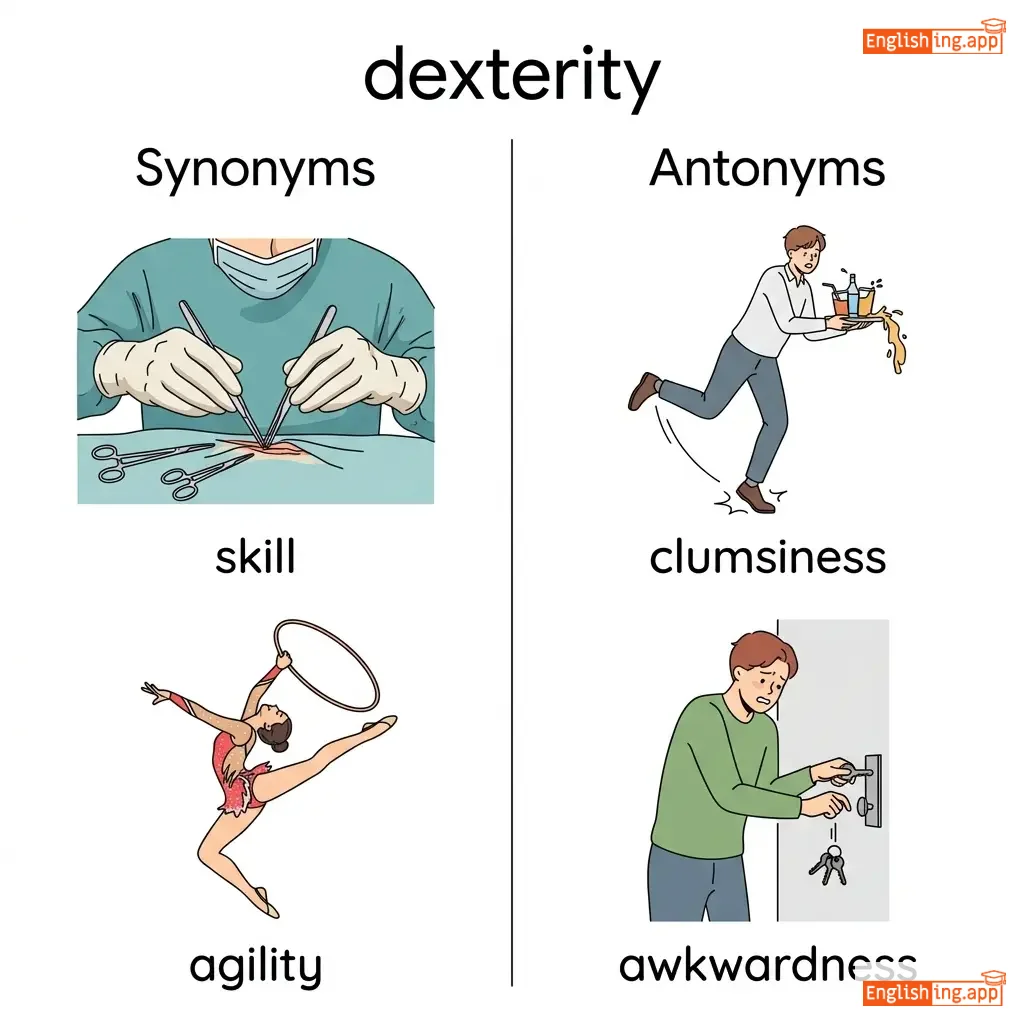
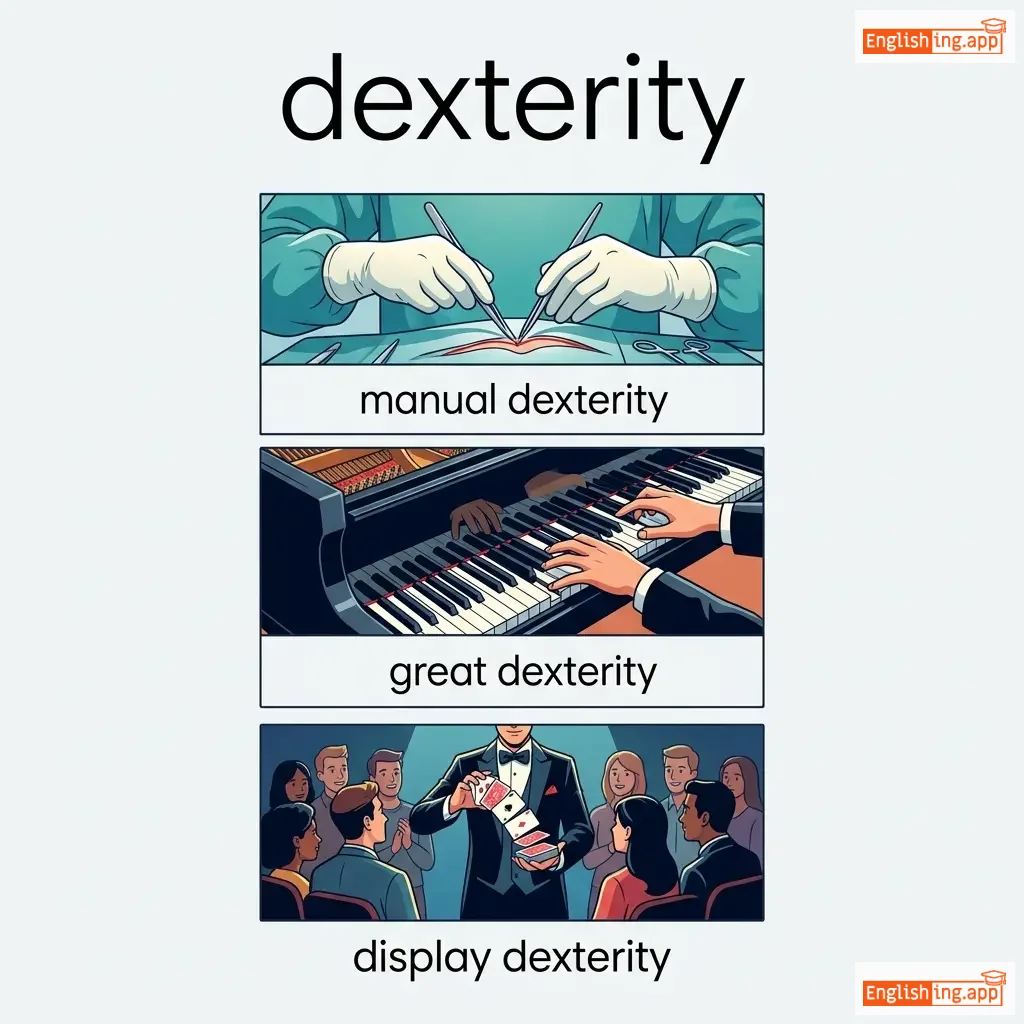
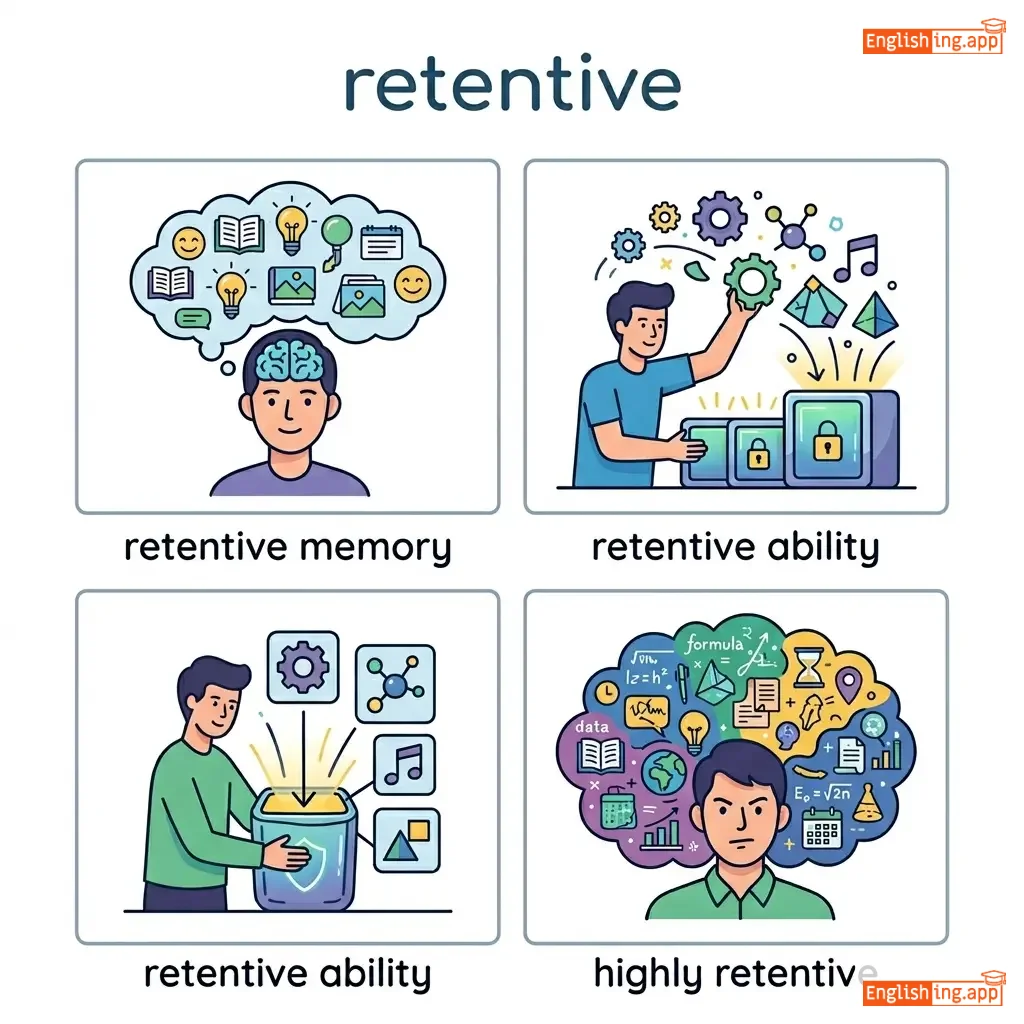
Additionally, visuospatial games help improve dexterity and retentive abilities. Increased metacognition allows users to become more aware of their learning processes.

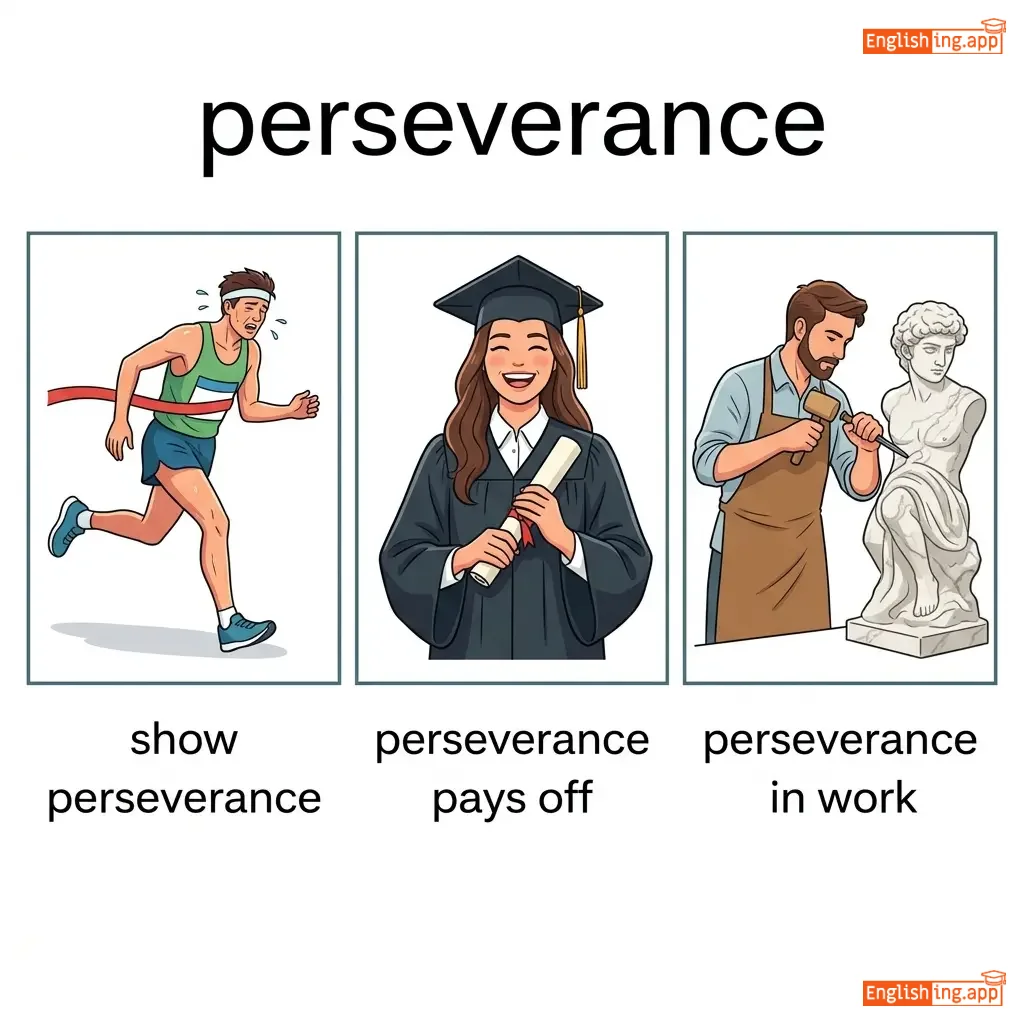
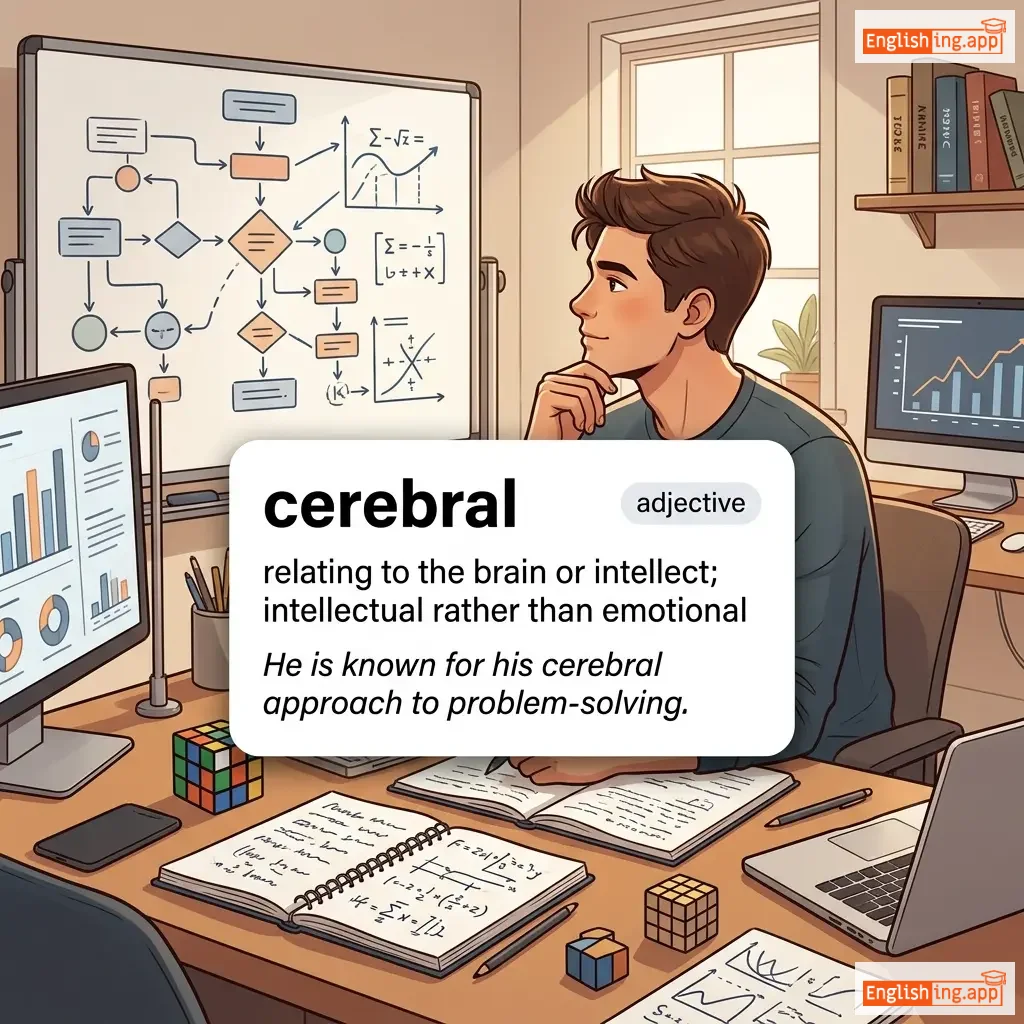
Therefore, gaming is not just a means of wasting time; it can also be a medium to enhance acumen, fortitude, and perseverance. When used properly, it can optimize cerebral abilities and expedite brain functionality.

How Gaming Improves Cognitive Skills
/
/

How Gaming Improves Cognitive Skills - Mask Toggle

Emoji
Word Images Meaning Example Sentence Synonyms Antonyms
#1924
🎮
••••••
ˈɡeɪ.mɪŋ
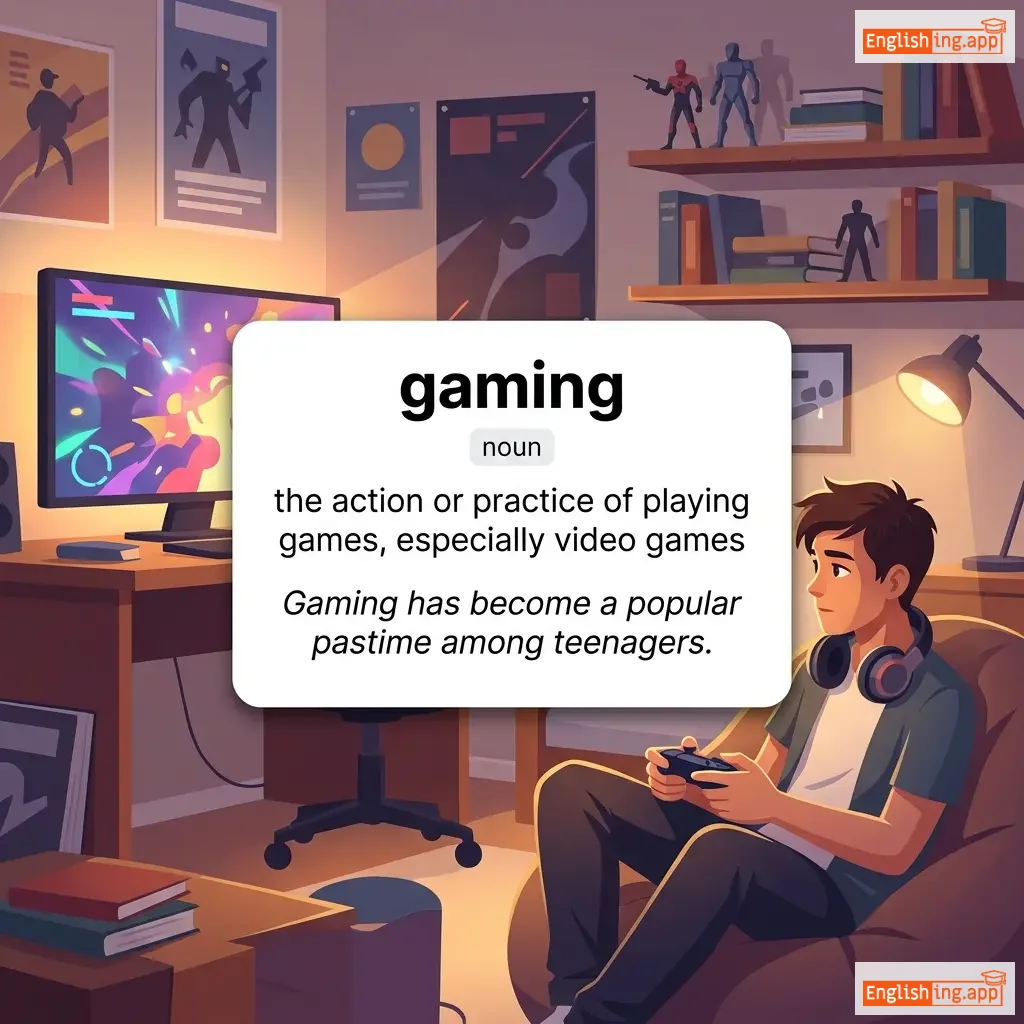
noun
••••••
••••••
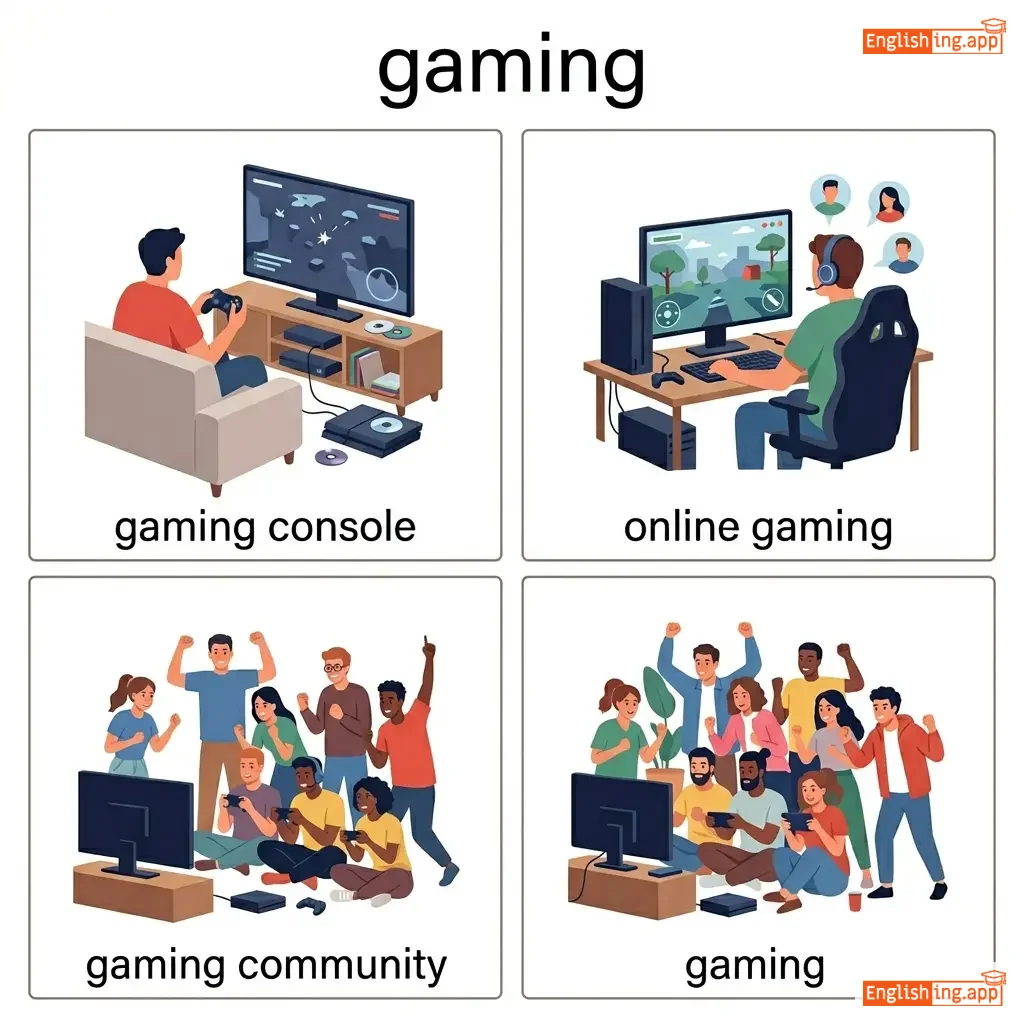
The practice of playing video games or competitive games.
••••••

Gaming has evolved into a billion-dollar industry.

••••••
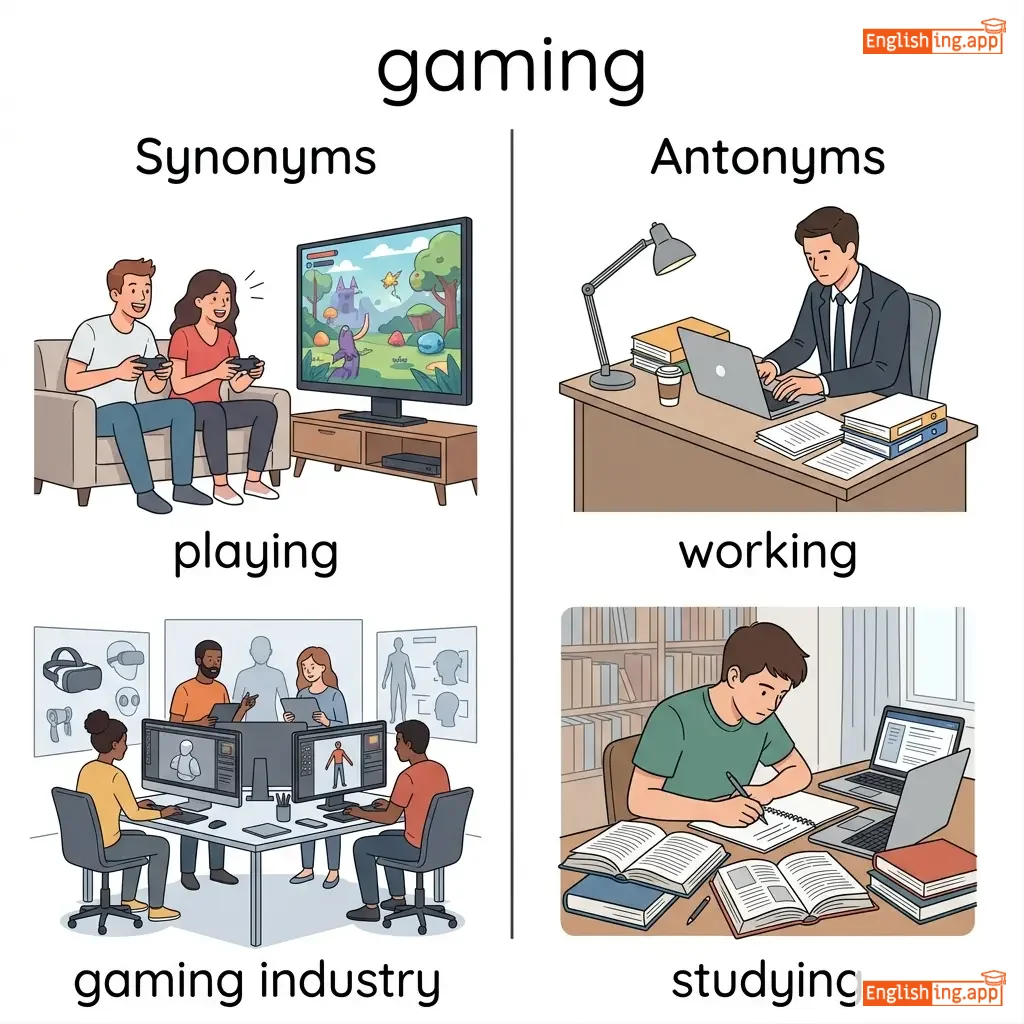
Video Gaming, Esports, Interactive Entertainment
••••••
Work, Idleness, Non-gaming Activities
••••••
#1925
🧠
••••••
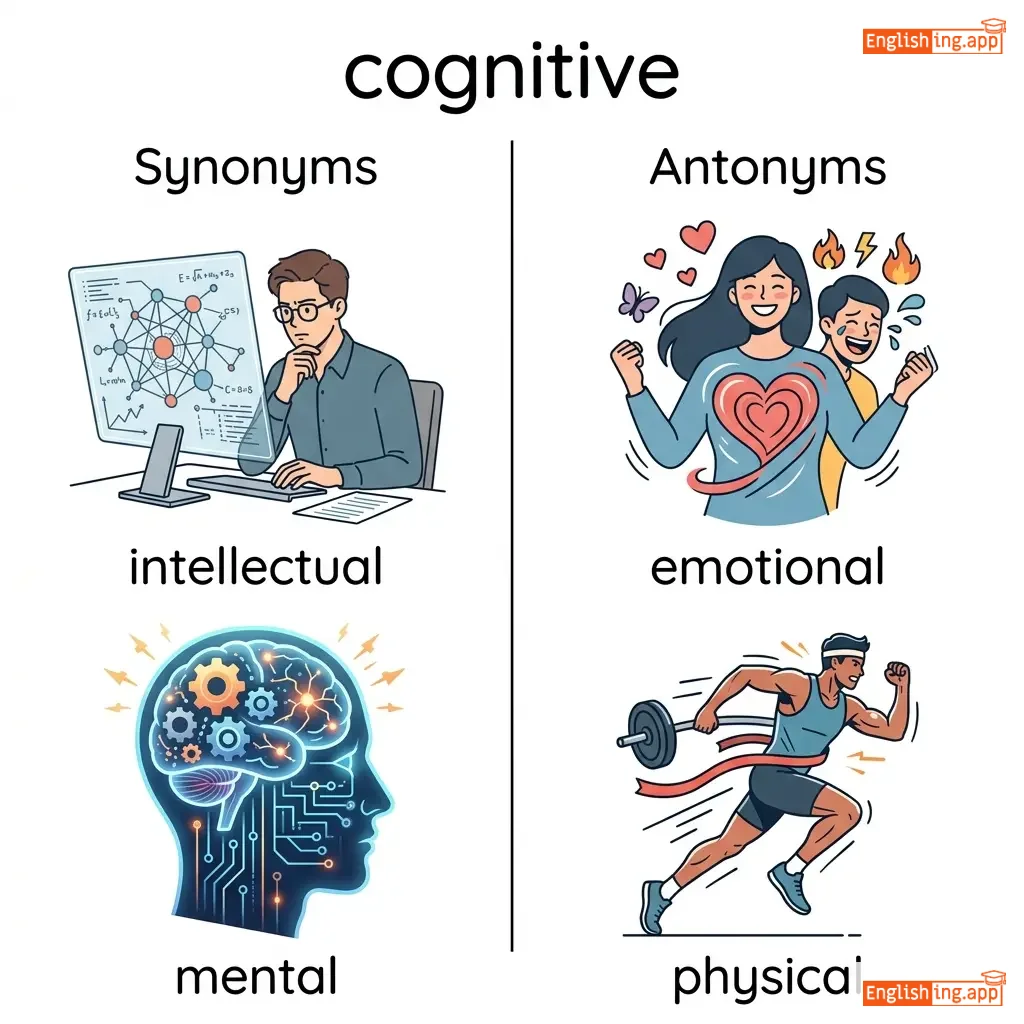
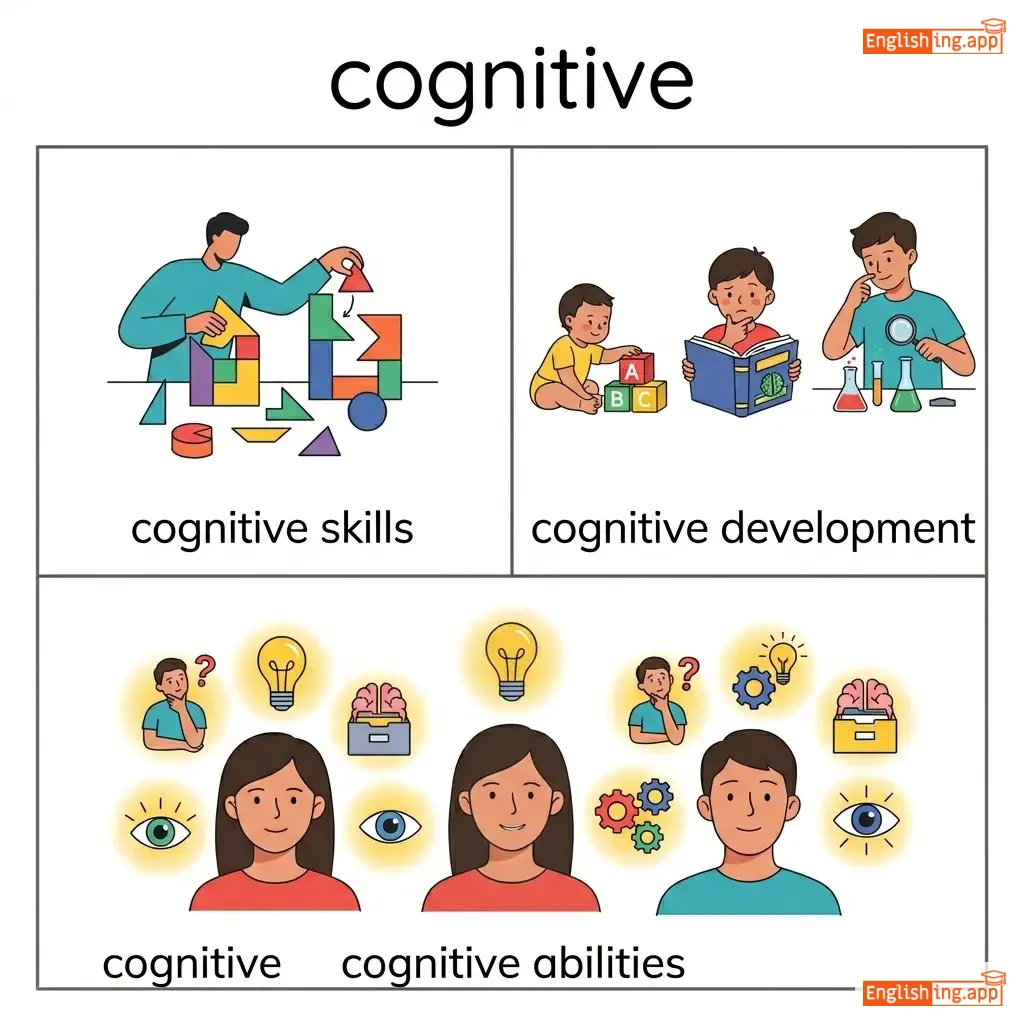
ˈkɒɡ.nɪ.tɪv
adjective
••••••
••••••
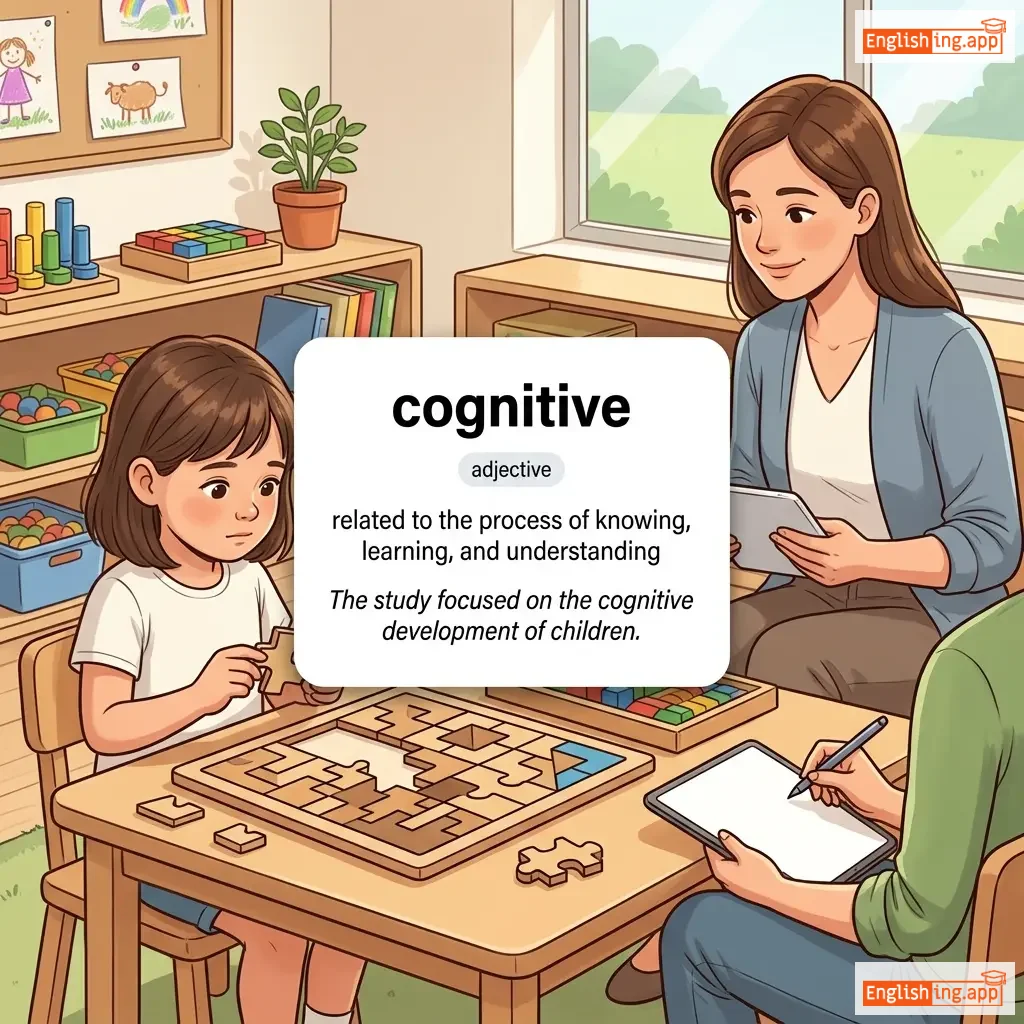
Related to the mental processes of learning, remembering, and problem-solving abilities.
••••••

Cognitive skills are essential for problem-solving.

••••••
Intellectual, Mental, Psychological
••••••
Ignorant, Unaware, Uninformed
••••••
#1926
🎯
••••••
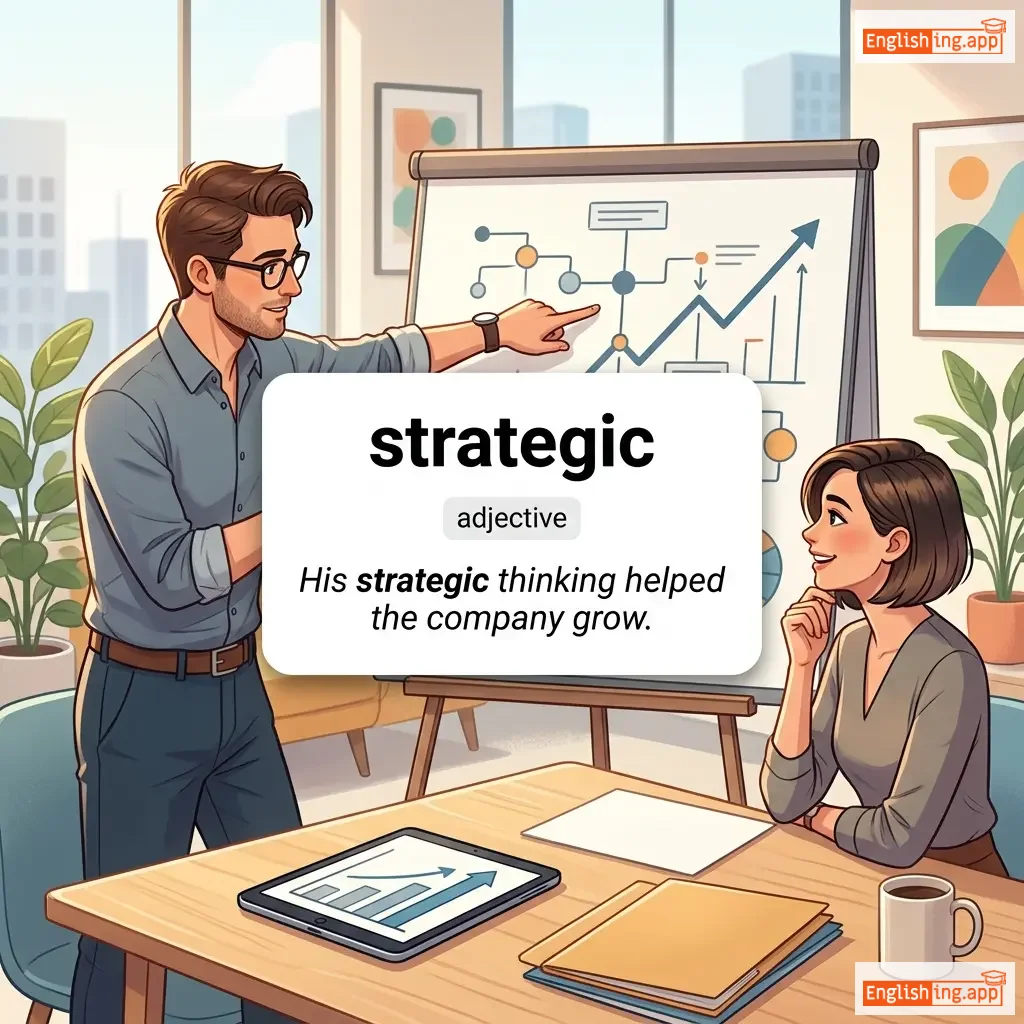
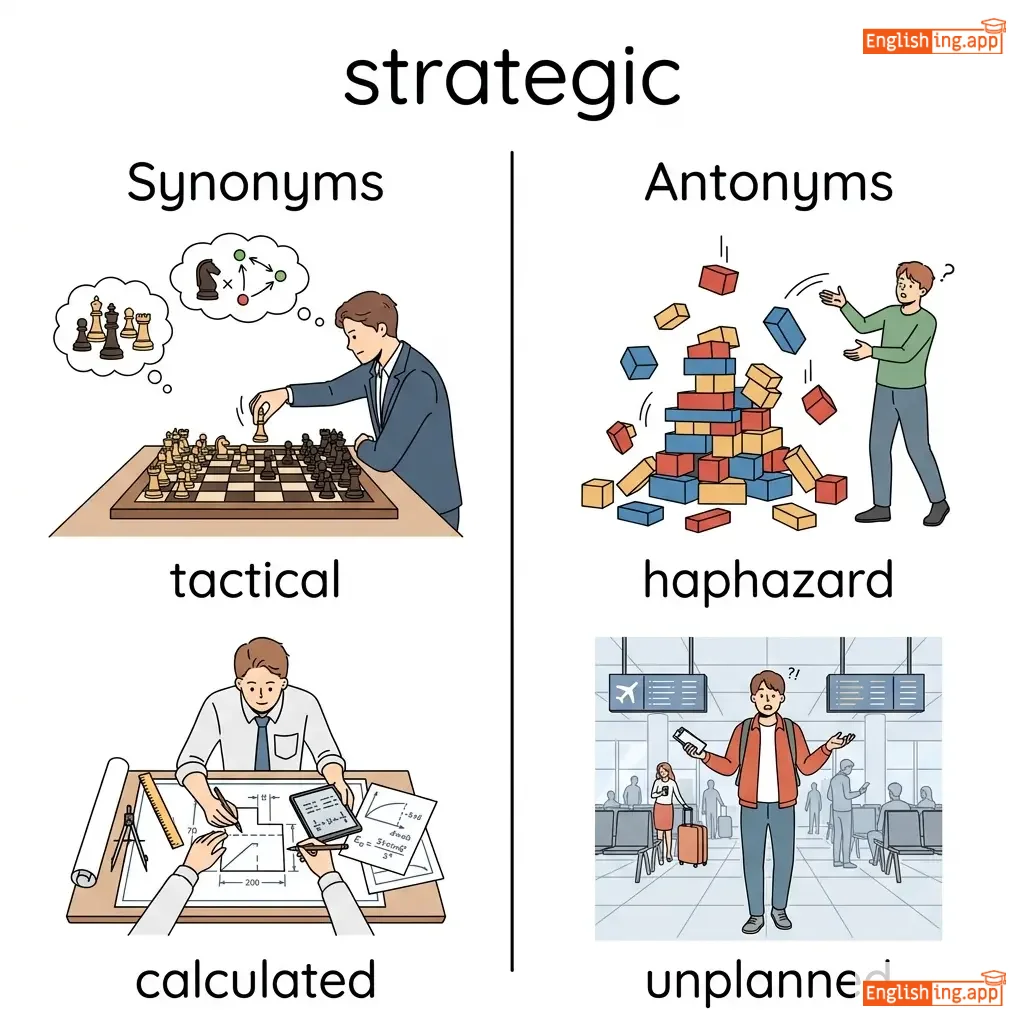
strəˈtiː.dʒɪk
adjective
••••••
••••••
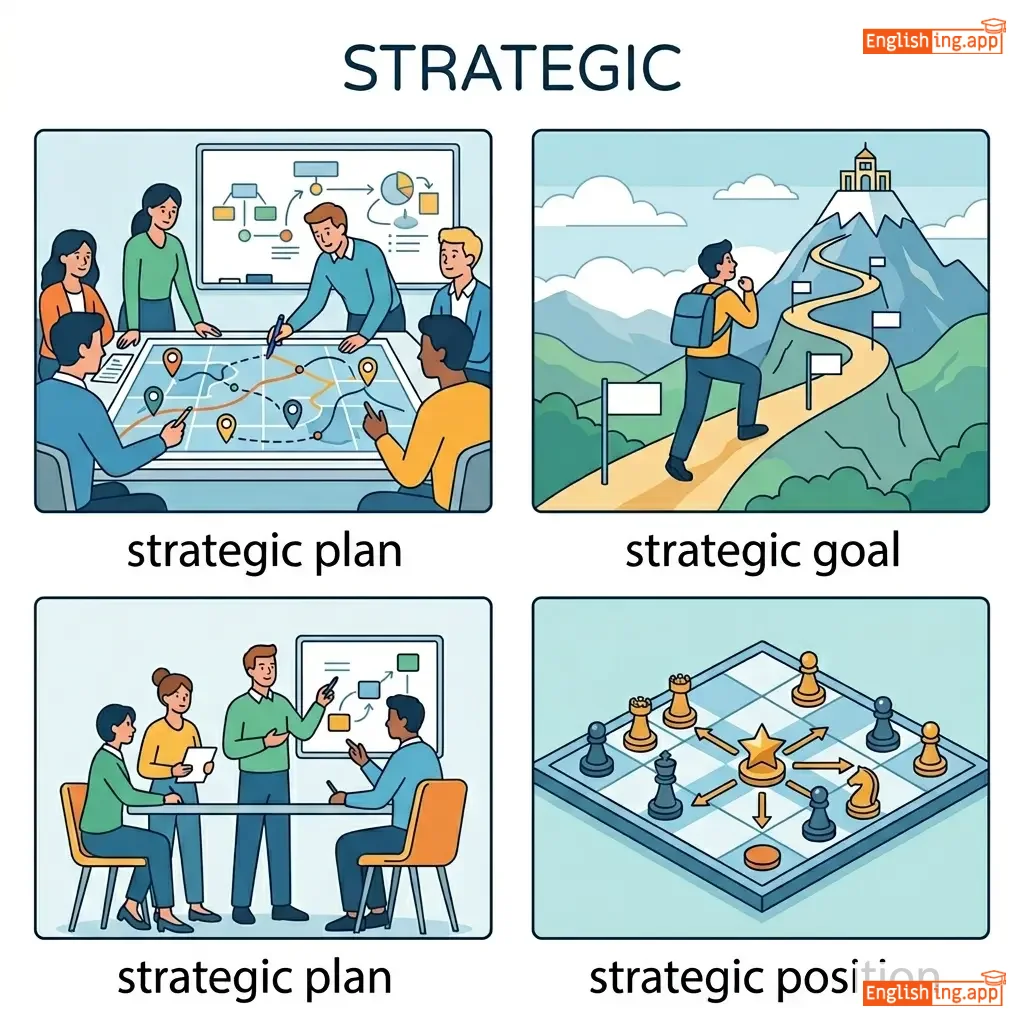
Related to tactics or planned approaches for achieving long-term goals.
••••••

A strategic approach is necessary for business success.

••••••
Tactical, Planned, Calculated
••••••
Unplanned, Random, Impulsive
••••••
#1927
🔄
••••••
ˌnjʊə.rəʊ.plæsˈtɪ.sɪ.ti
noun
••••••
••••••
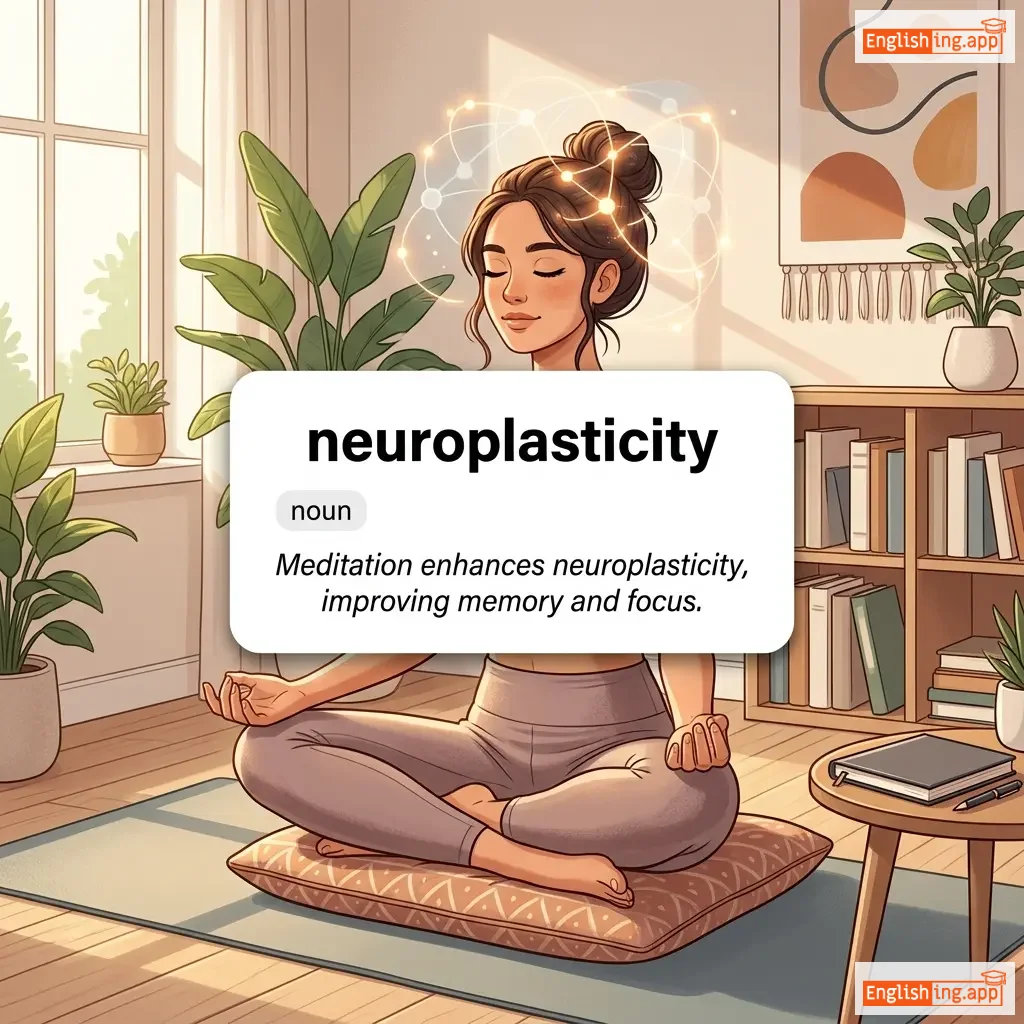
The brain's ability to change its structure and functionality through learning.
••••••

Neuroplasticity allows the brain to rewire itself after injury.

••••••
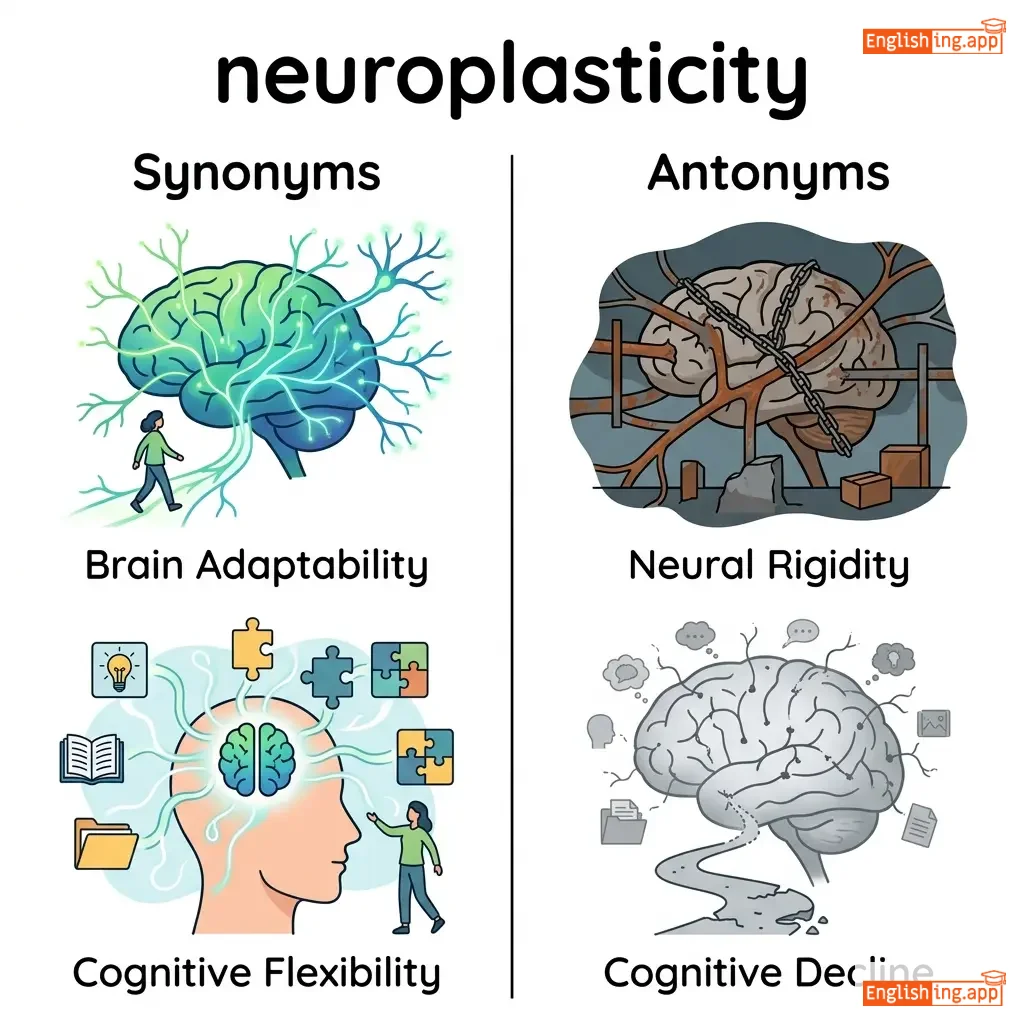
Brain Adaptability, Cognitive Flexibility, Neural Rewiring
••••••
Neural Rigidity, Cognitive Decline, Fixed Brain Structure
••••••
#1928
💻
••••••
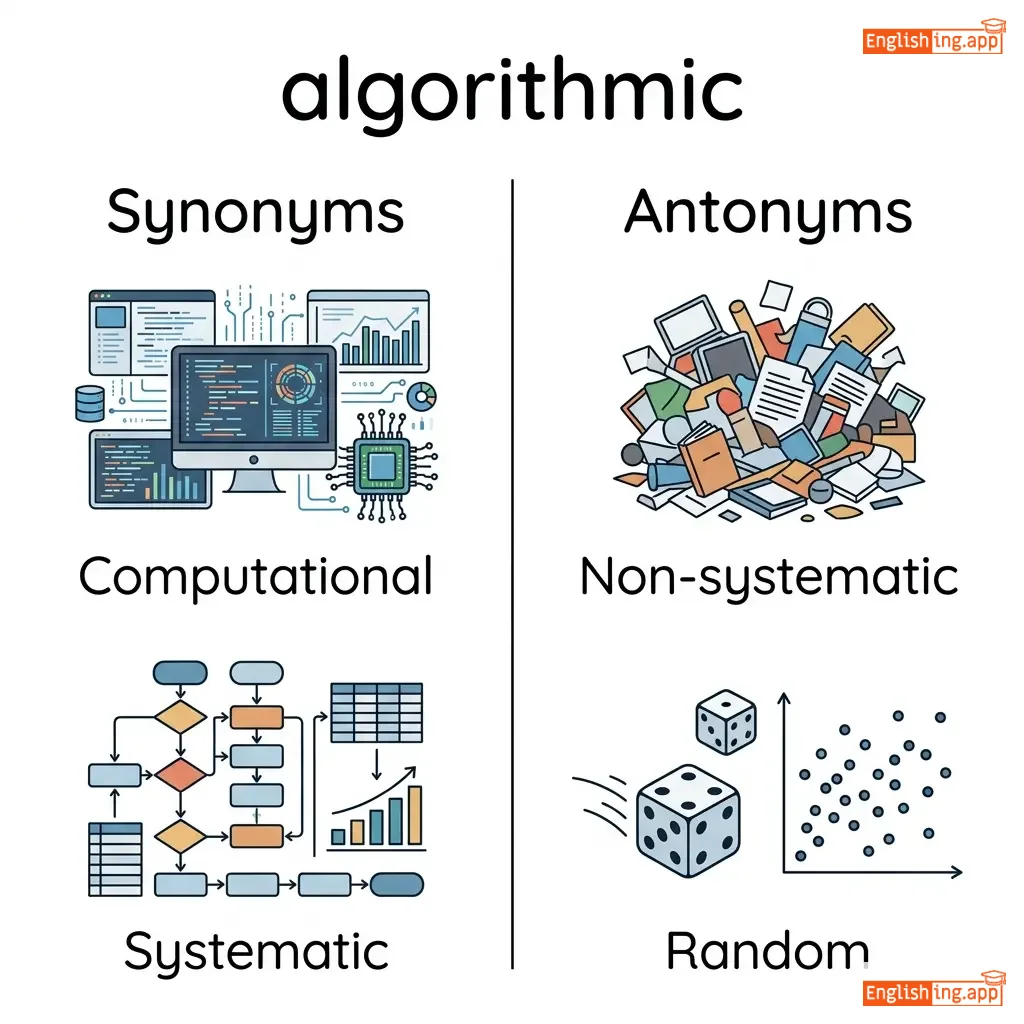
ˌæl.ɡəˈrɪð.mɪk
adjective
••••••
••••••
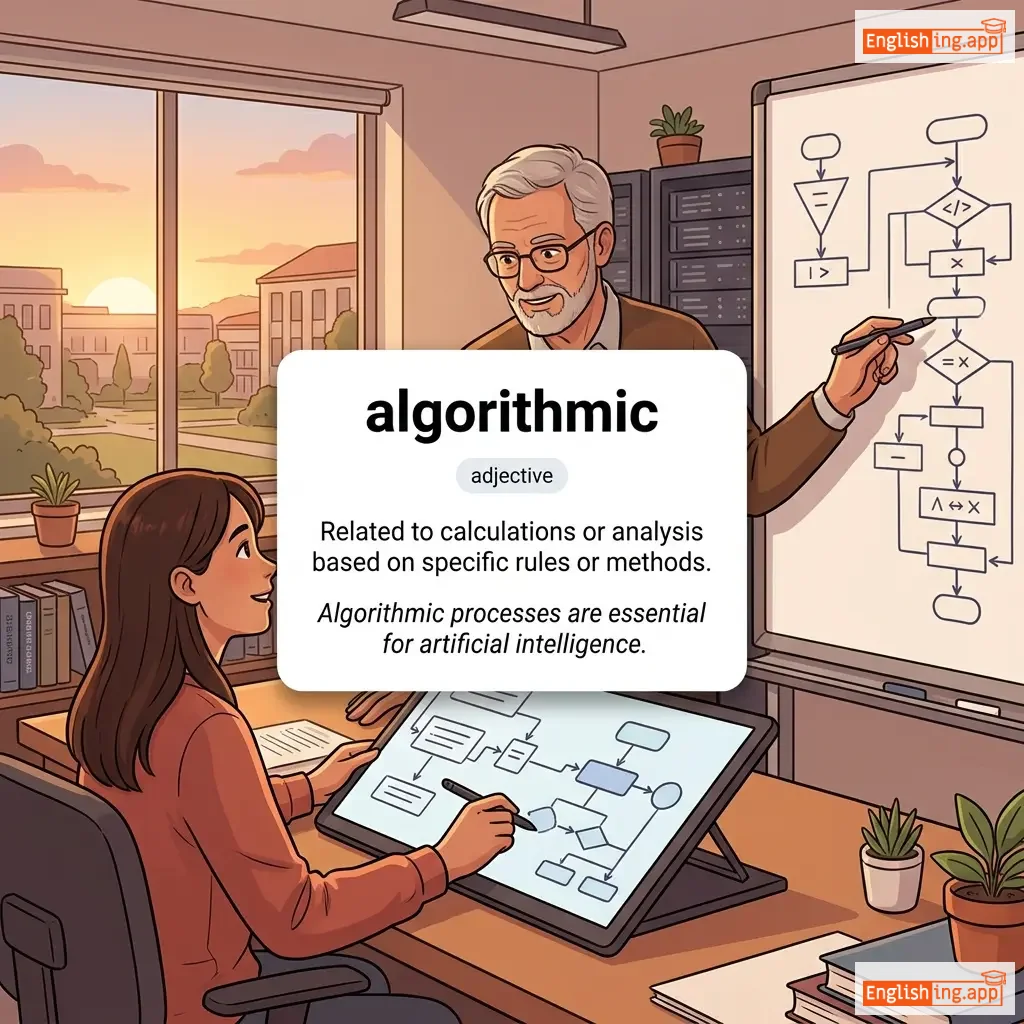
Related to calculations or analysis based on specific rules or methods.
••••••

Algorithmic processes are essential for artificial intelligence.

••••••
Computational, Systematic, Programmatic
••••••
Non-systematic, Random, Arbitrary
••••••
#1929
🔄
••••••
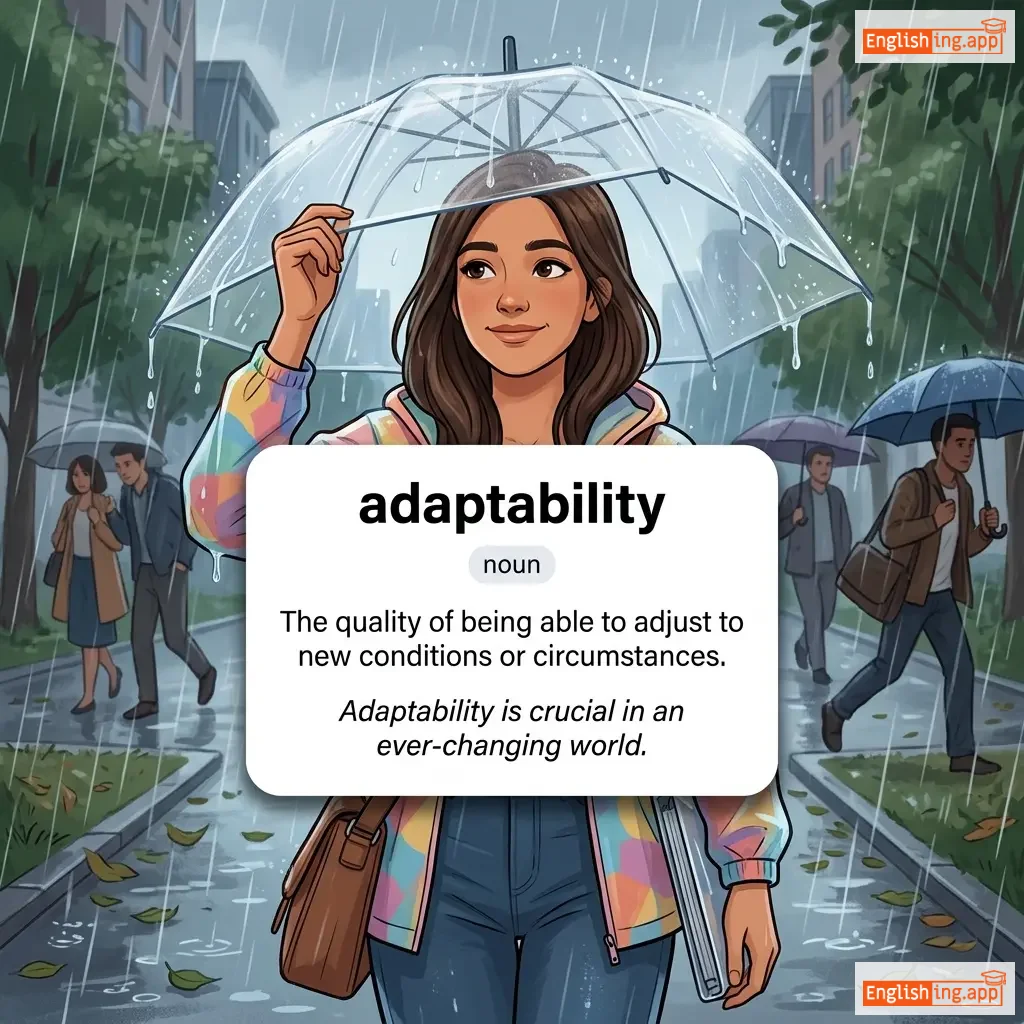
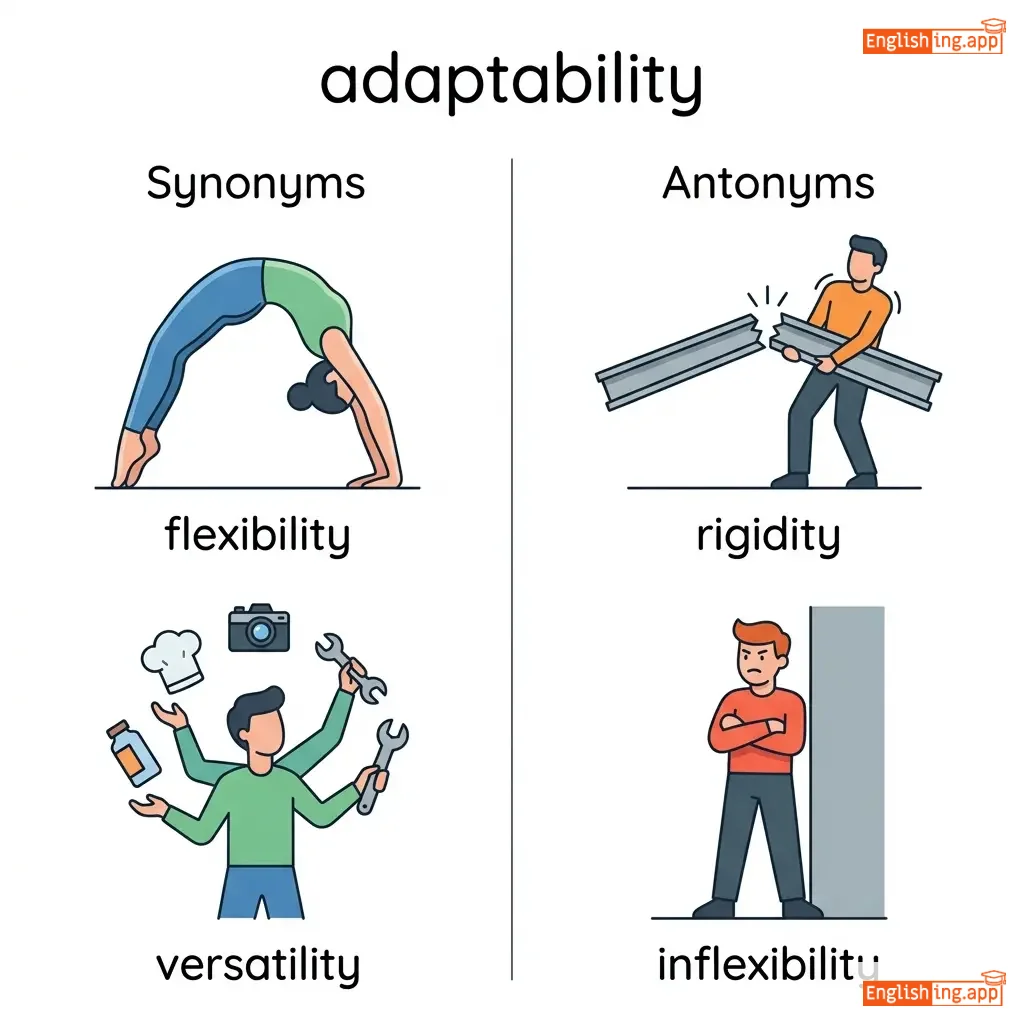
əˌdæp.təˈbɪl.ɪ.ti
noun
••••••
••••••
The ability to quickly adjust to new situations and changes.
••••••

Adaptability is a key trait for career success.

••••••
Flexibility, Adjustability, Resilience
••••••
Rigidity, Inadaptability, Inflexibility
••••••
#1930
🔍
••••••
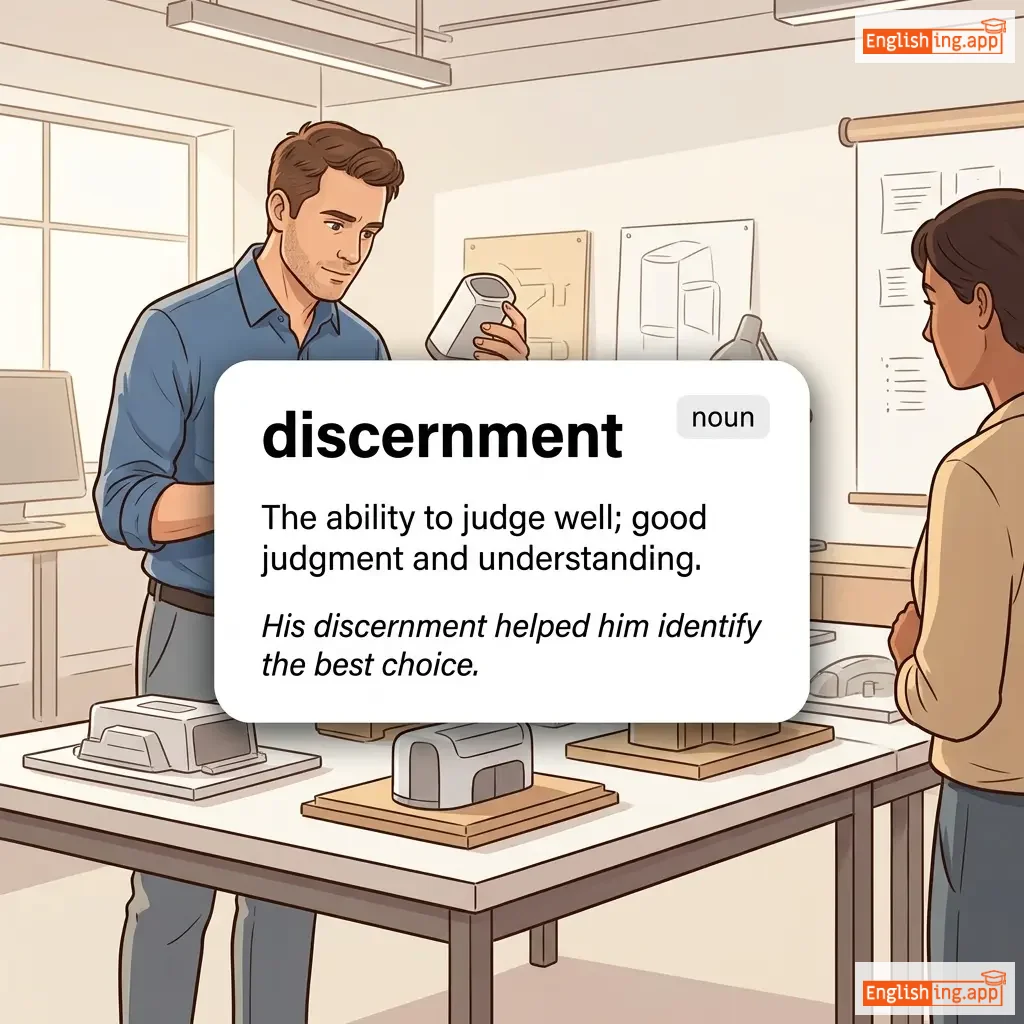
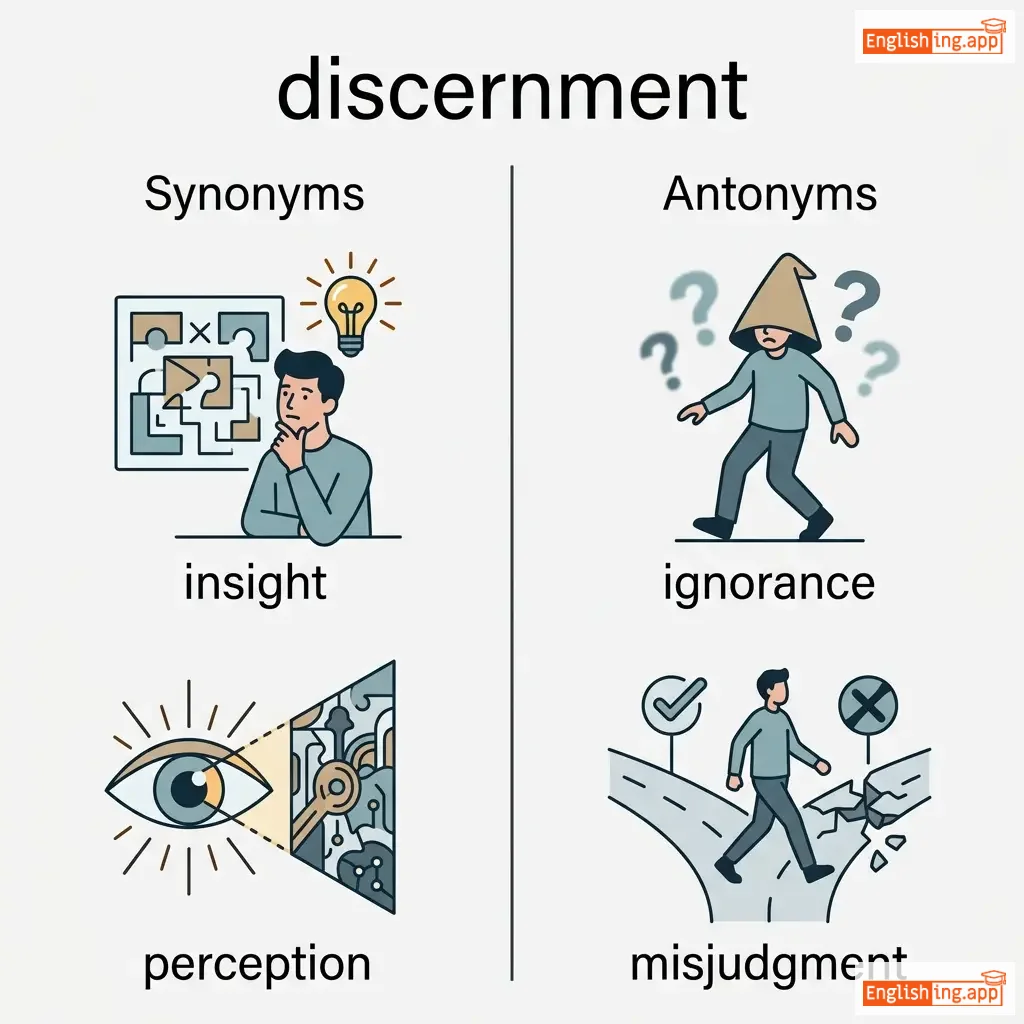
dɪˈsɜːrn.mənt
noun
••••••
••••••
The skill of being able to understand good and bad judgment and insight.
••••••

His discernment helped him make wise decisions.
••••••
Insight, Perception, Judgement
••••••
Ignorance, Misjudgment, Indiscretion
••••••
#1931
🔬
••••••
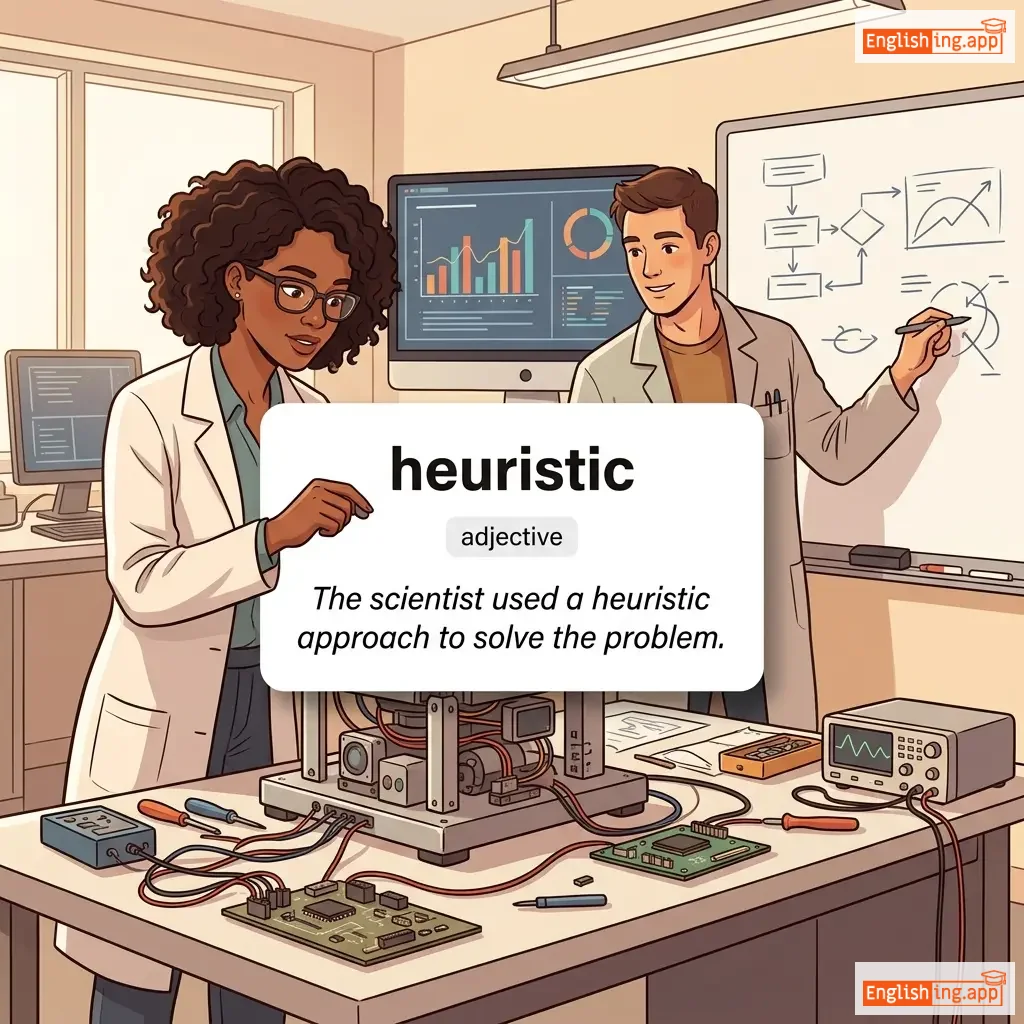
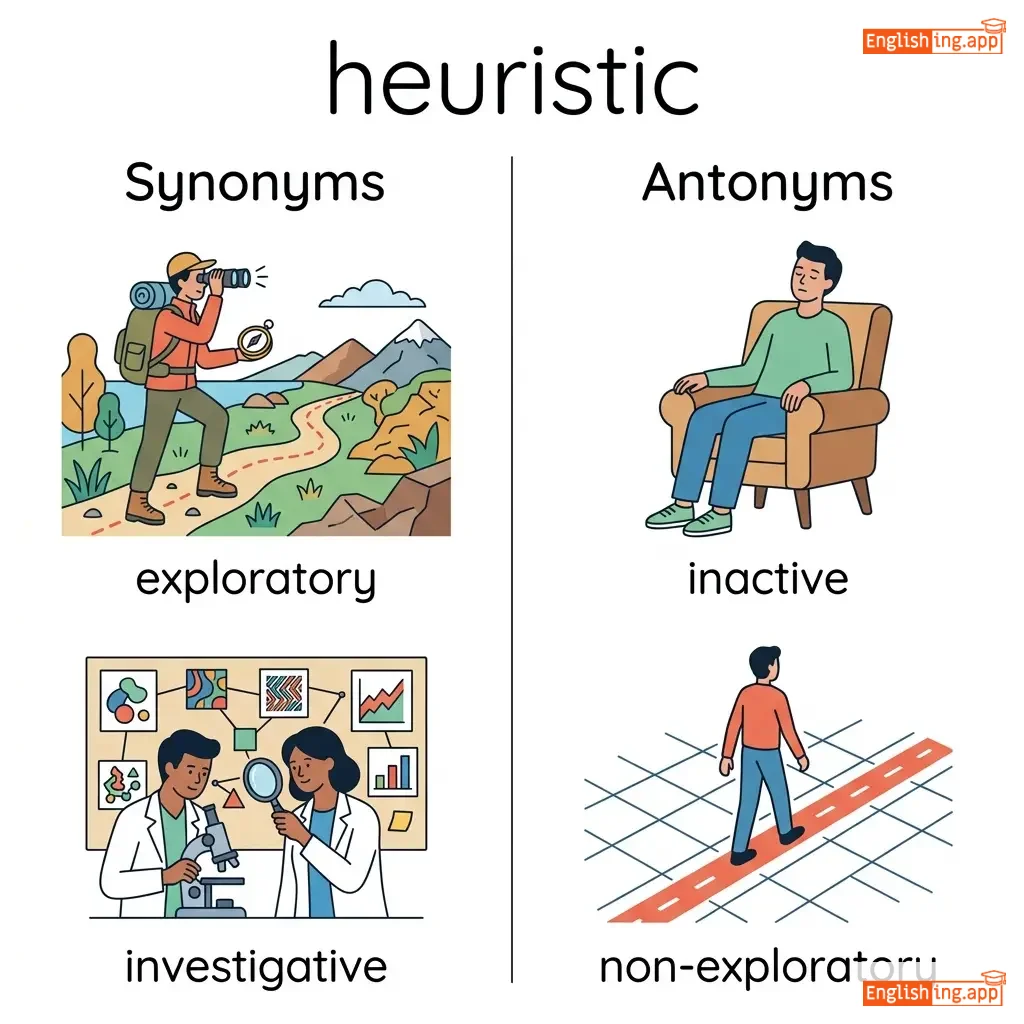
hjʊəˈrɪs.tɪk
adjective/noun
••••••
••••••
A method of finding solutions to problems through experience and trial.
••••••

The professor used a heuristic approach to teach mathematics.

••••••
Exploratory, Problem-solving, Rule-of-thumb
••••••
Algorithmic, Prescriptive, Fixed-rule
••••••
#1932
👁️
••••••
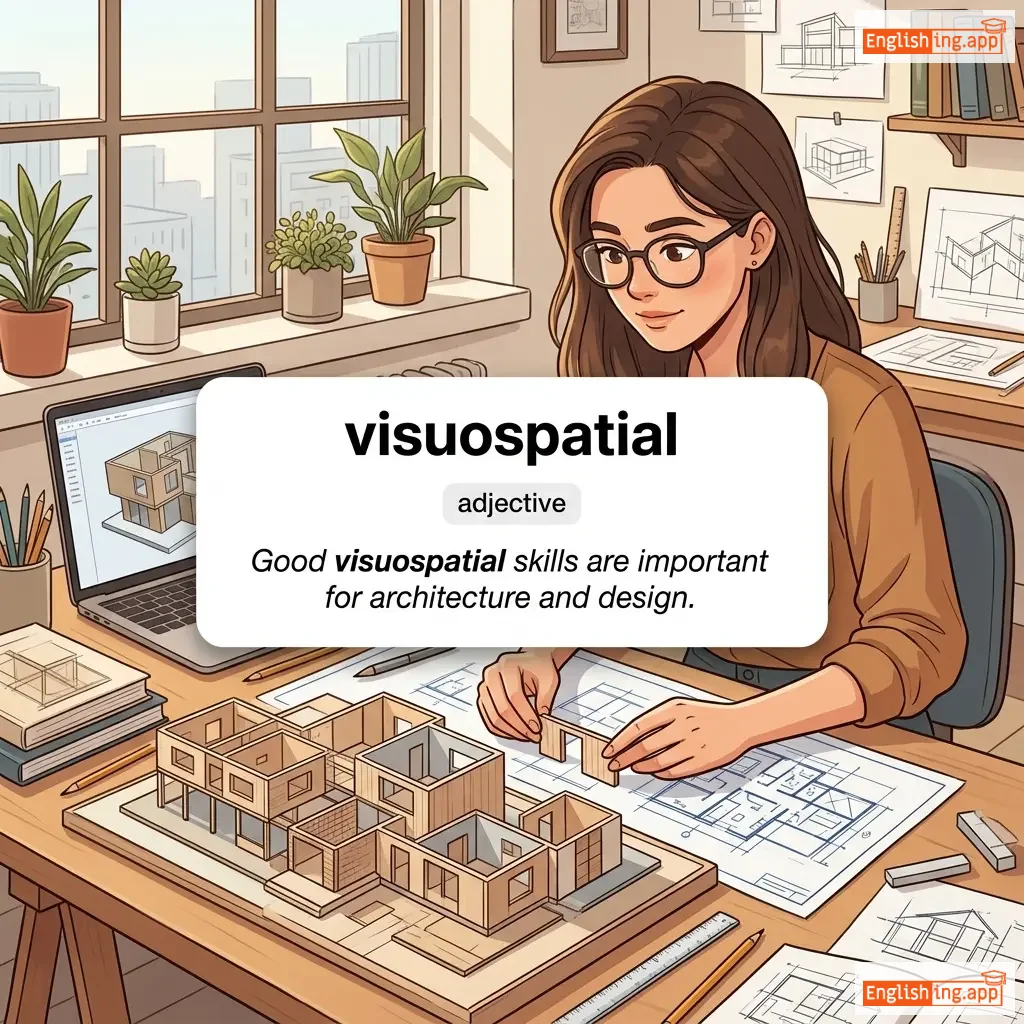
ˌvɪz.ju.oʊˈspeɪ.ʃəl
adjective
••••••
••••••
Related to understanding the relationship between space and objects through vision.
••••••

Good visuospatial skills are important for architecture and design.

••••••
Spatial Awareness, Visual Perception, Orientation
••••••
Non-spatial, Abstract, Disoriented
••••••
#1933
🤹
••••••
dɛkˈstɛr.ɪ.ti
noun
••••••
••••••
The ability to work quickly and skillfully with hands or mind.
••••••

A surgeon needs high dexterity for precision work.

••••••
Agility, Skillfulness, Nimbleness
••••••
Clumsiness, Incompetence, Ineptitude
••••••
#1934
🧠
••••••
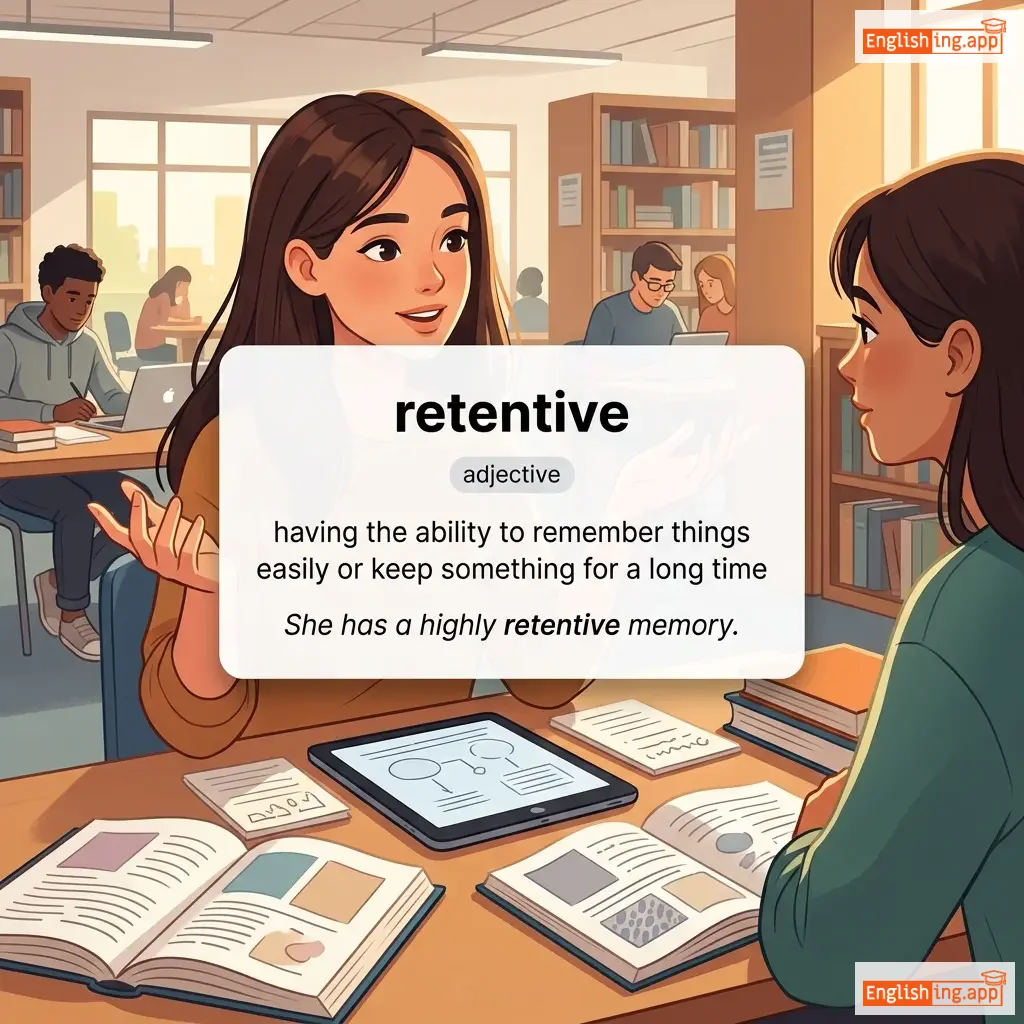
rɪˈtɛn.tɪv
adjective
••••••
••••••
Having strong memory or the ability to retain information for a long time.
••••••

Students with a retentive memory excel in academics.

••••••
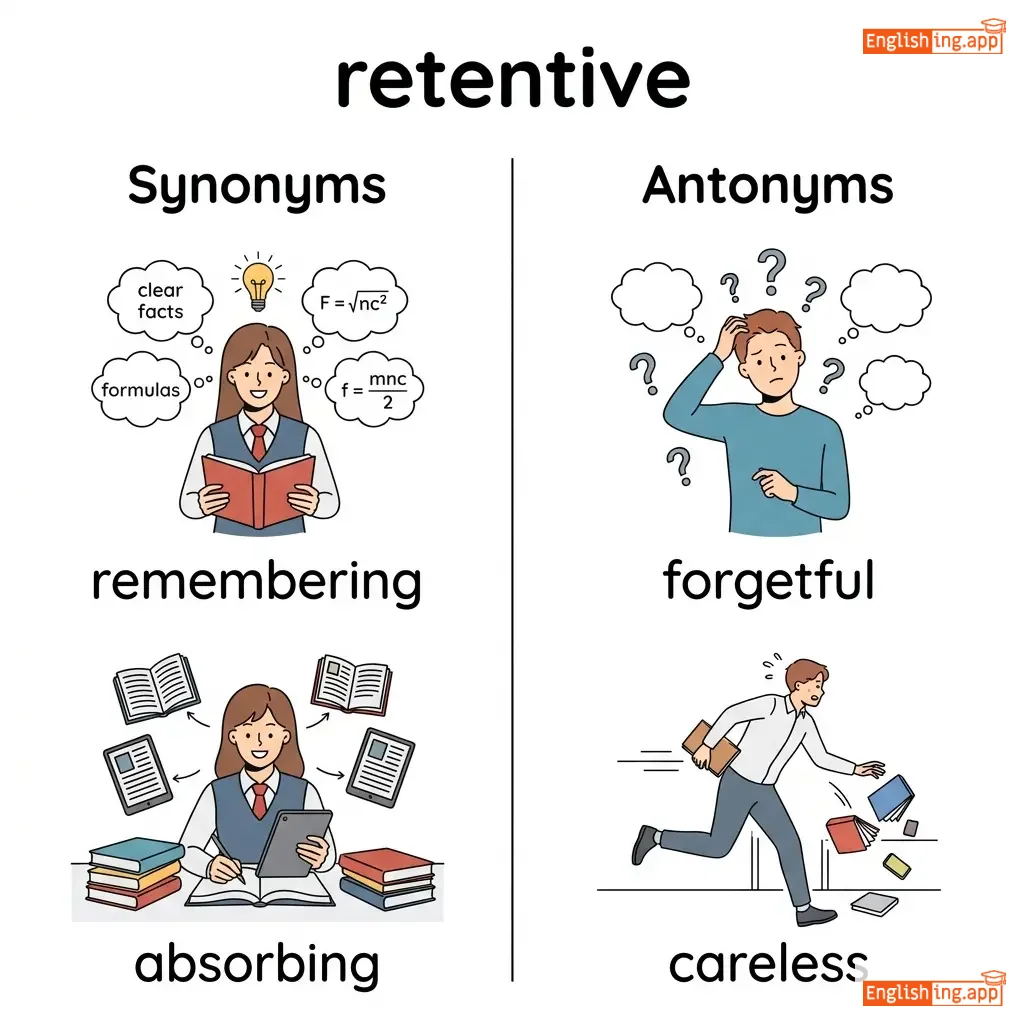
Memory-rich, Absorptive, Retaining
••••••
Forgetful, Unreliable, Poor Memory
••••••
#1935
🤔
••••••
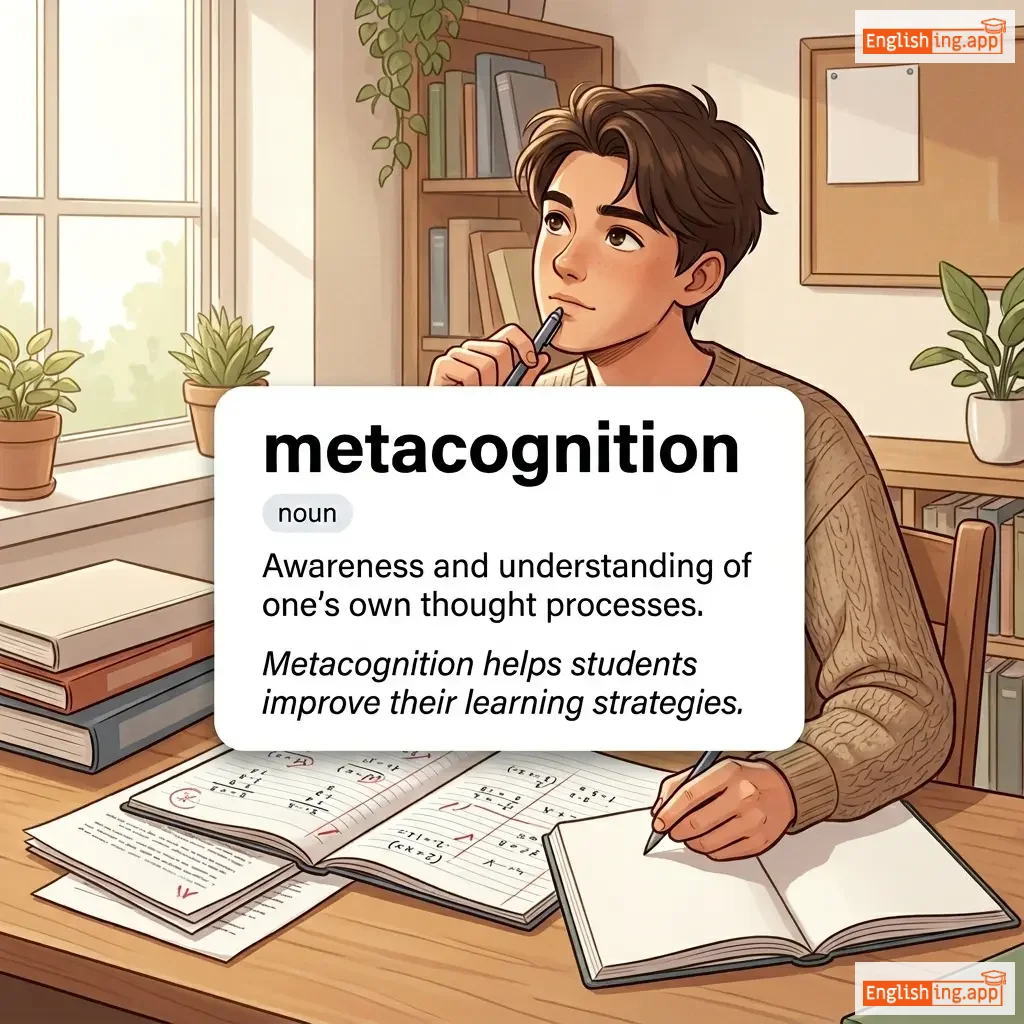
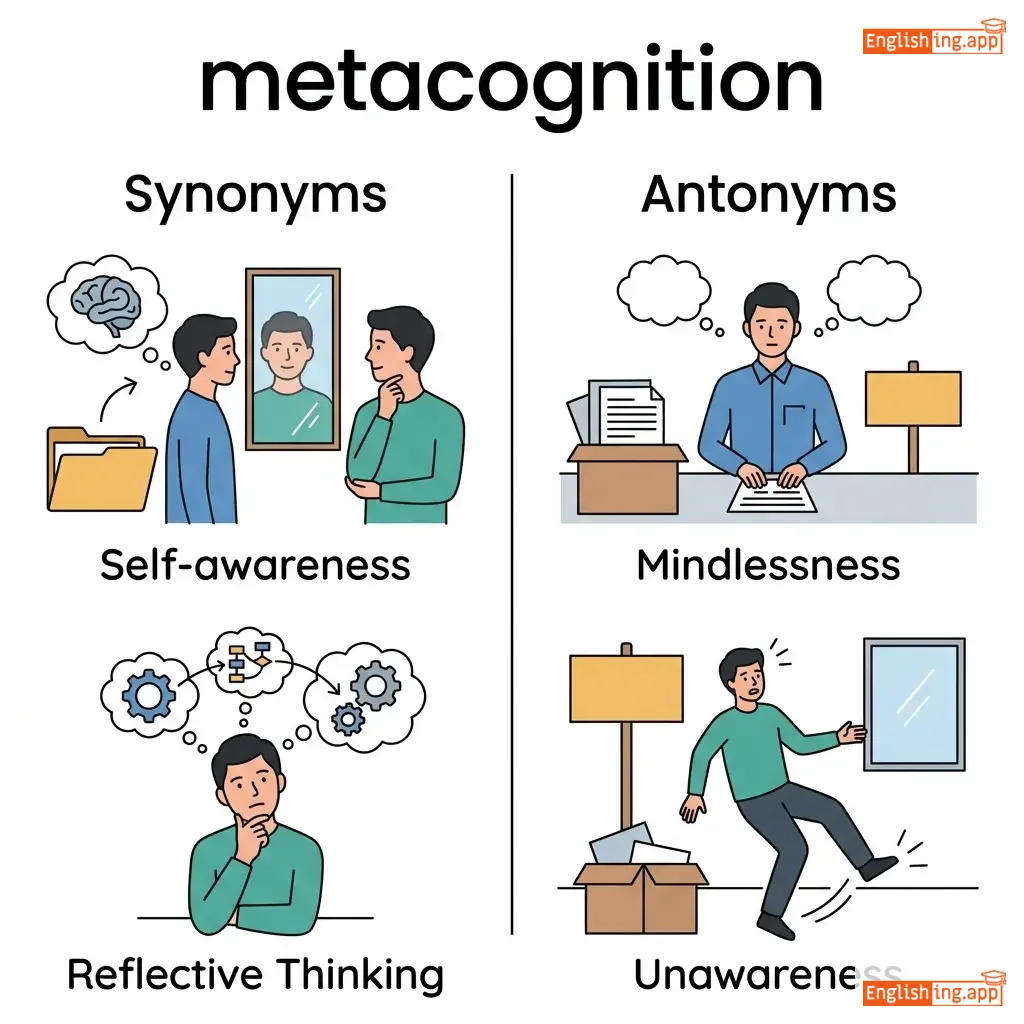
ˌmɛt.ə.kɒɡˈnɪʃ.ən
noun
••••••
••••••
Awareness about one's learning skills and thinking processes.
••••••

Metacognition helps students improve their learning strategies.

••••••
Self-awareness, Reflection, Higher-order Thinking
••••••
Unawareness, Ignorance, Thoughtlessness
••••••
#1936
💡
••••••
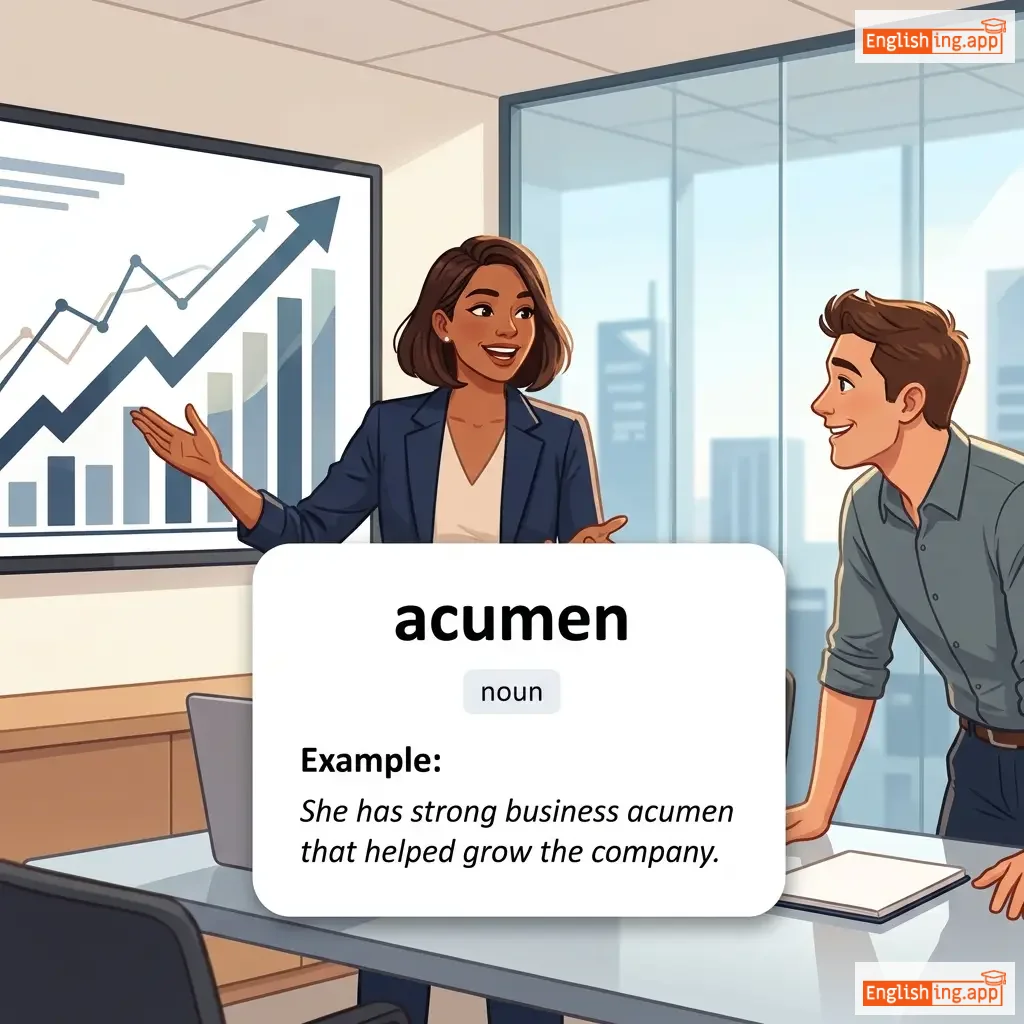
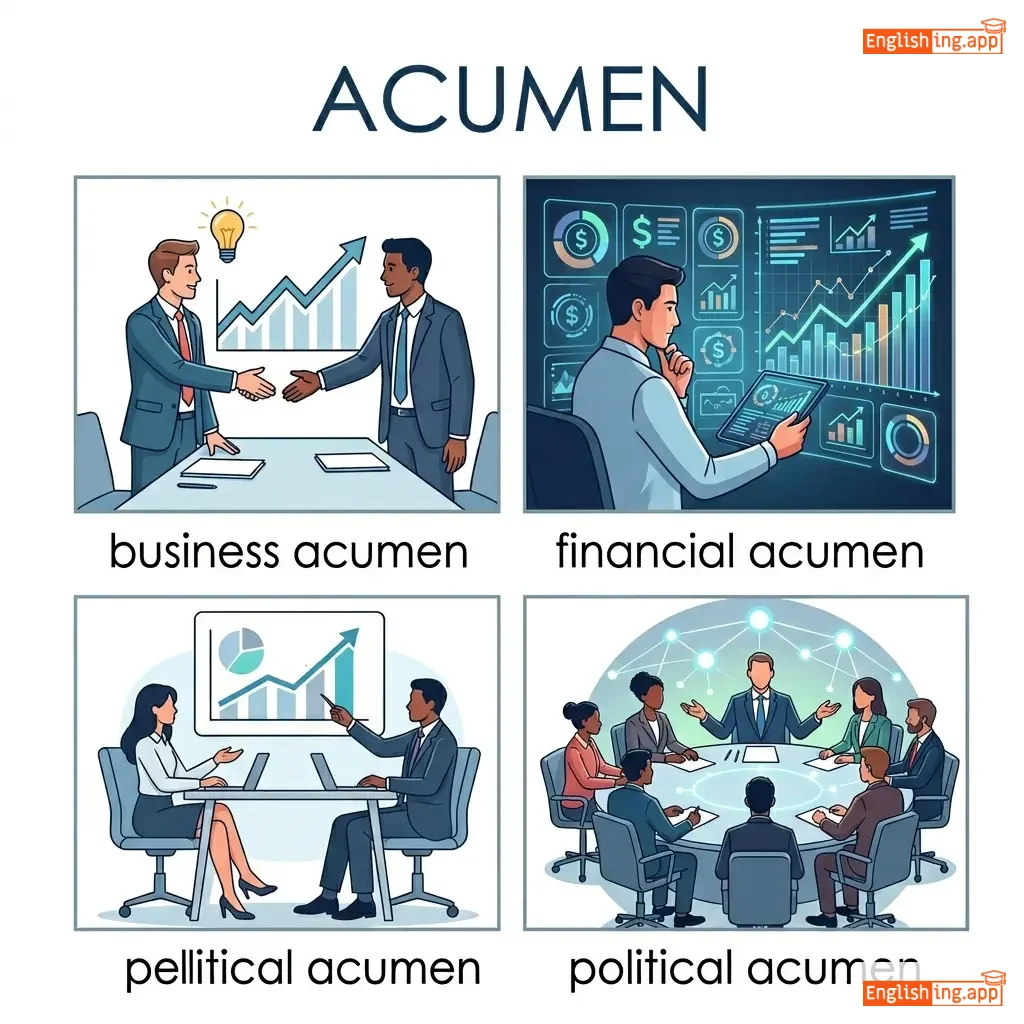
ˈæk.jʊ.mən
noun
••••••
••••••
The ability to quickly and accurately analyze situations and make decisions.
••••••

His business acumen led to the company's success.

••••••
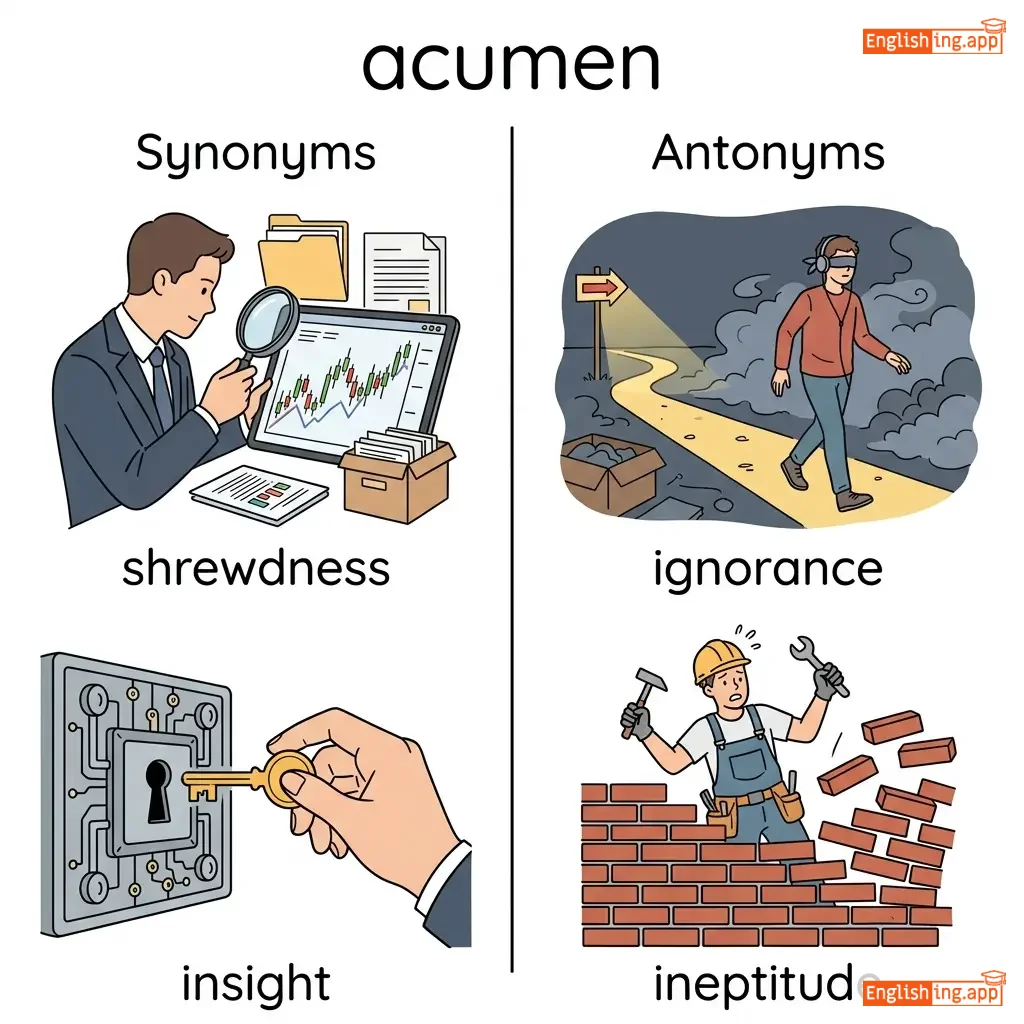
Insight, Intelligence, Sharpness
••••••
Foolishness, Ineptitude, Ignorance
••••••
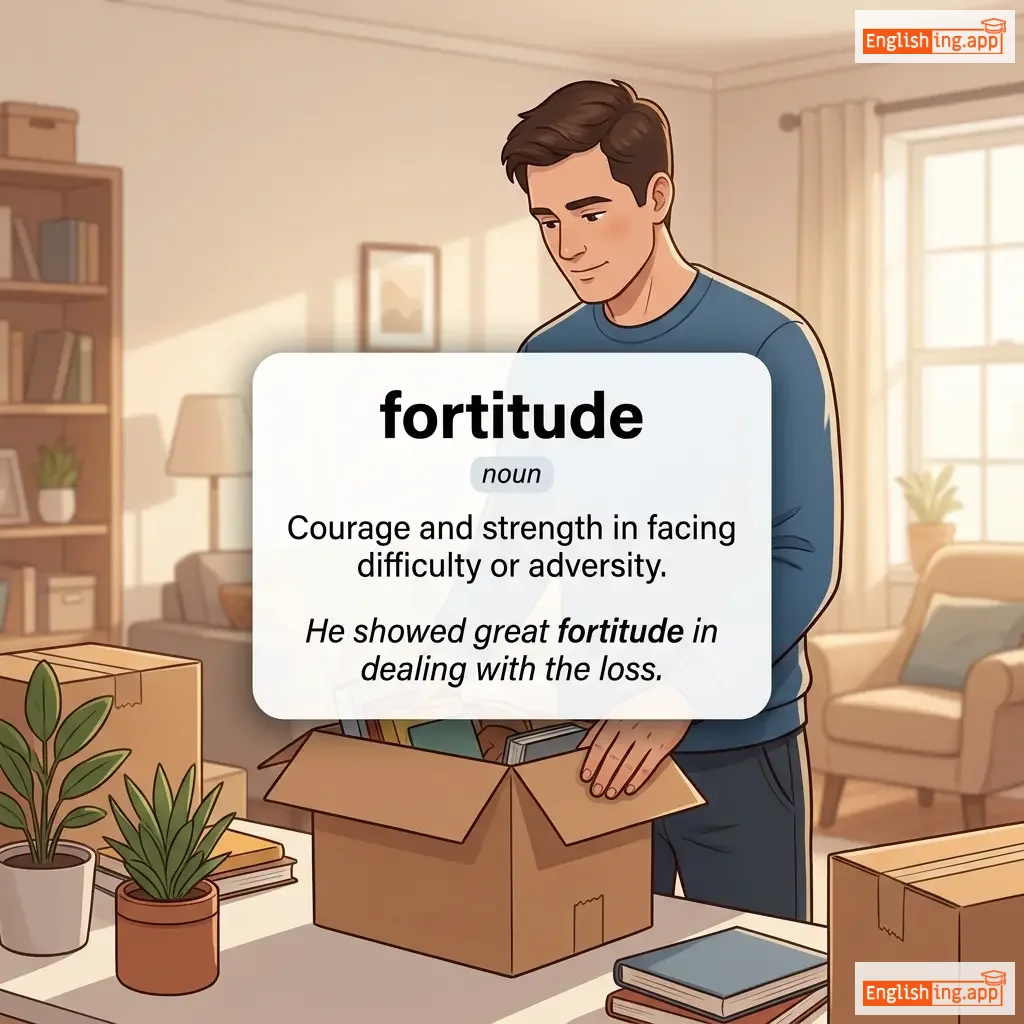
#1937
💪
••••••
ˈfɔːr.tɪ.tjuːd
noun
••••••
••••••
The ability to maintain patience and courage in difficult situations.
••••••

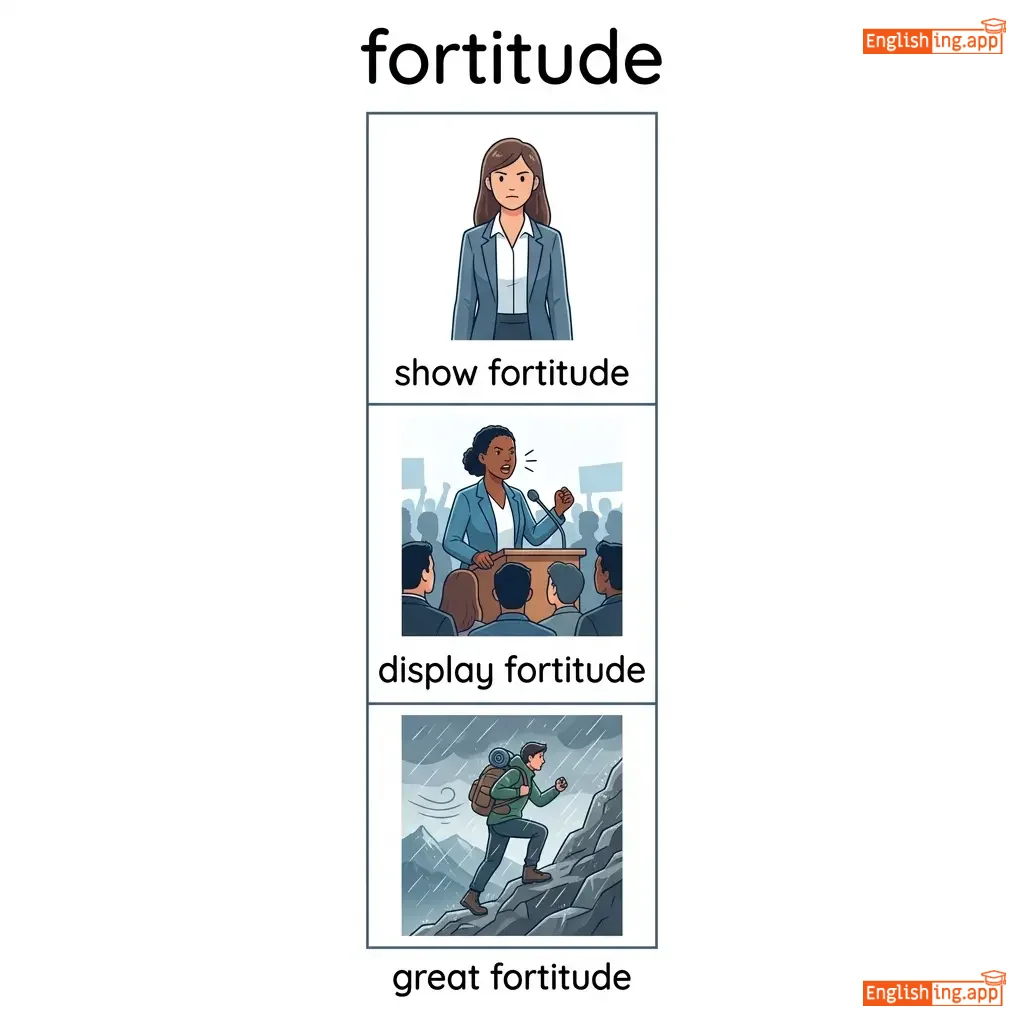
She showed great fortitude in overcoming obstacles.

••••••
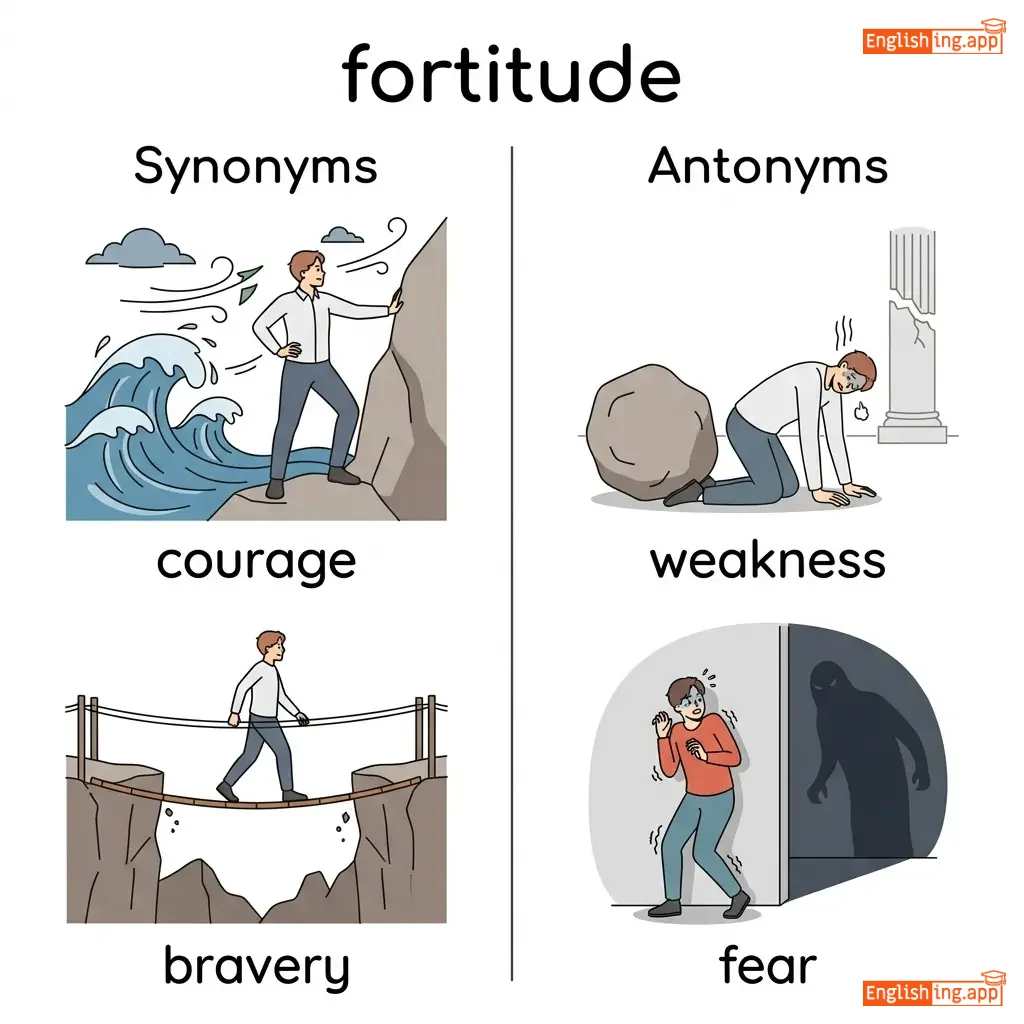
Resilience, Courage, Endurance
••••••
Weakness, Fear, Cowardice
••••••
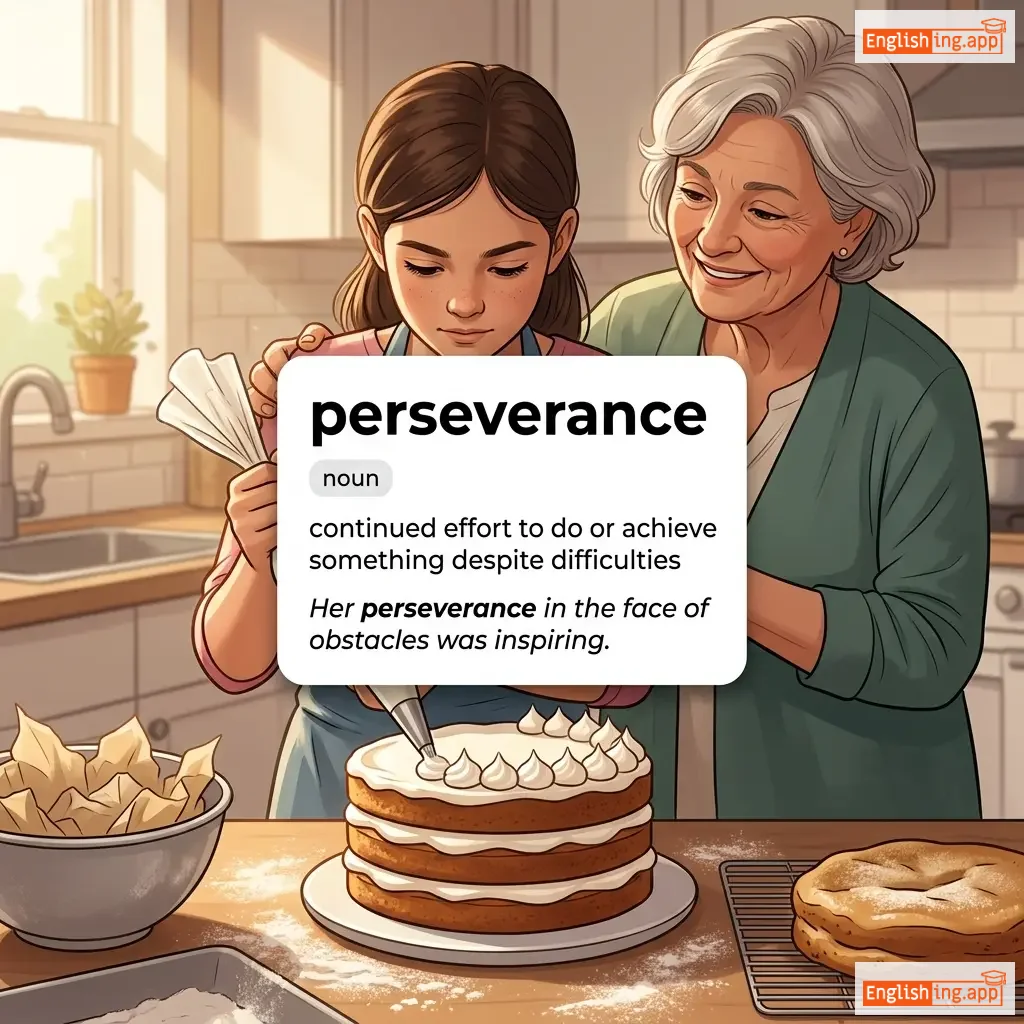
#1938
🚀
••••••
ˌpɜː.sɪˈvɪə.rəns
noun
••••••
••••••
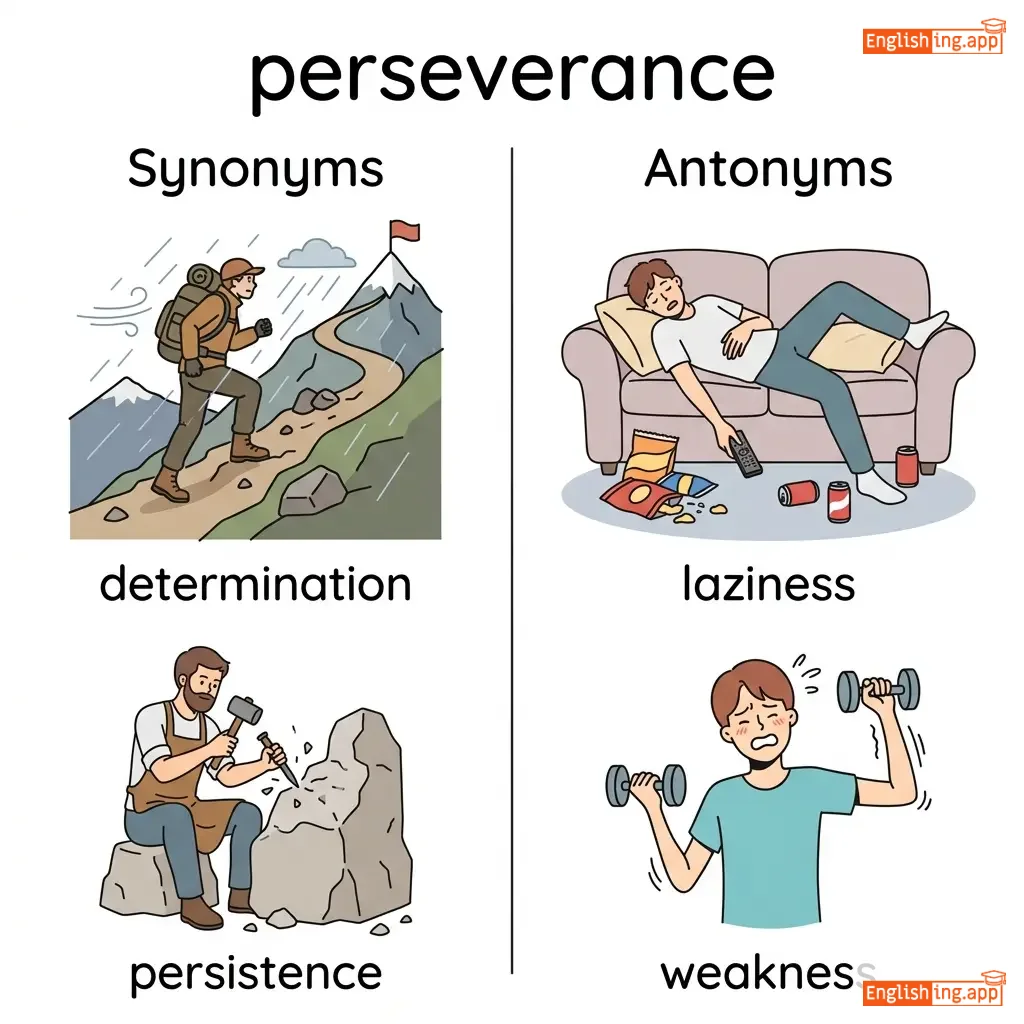
Continuing hard work and patience for a long time despite difficulties.
••••••

His perseverance helped him achieve his dreams.

••••••
Persistence, Determination, Tenacity
••••••
Laziness, Weakness, Giving up
••••••
#1939
🧠
••••••
ˈsɛr.ɪ.brəl
adjective
••••••
••••••
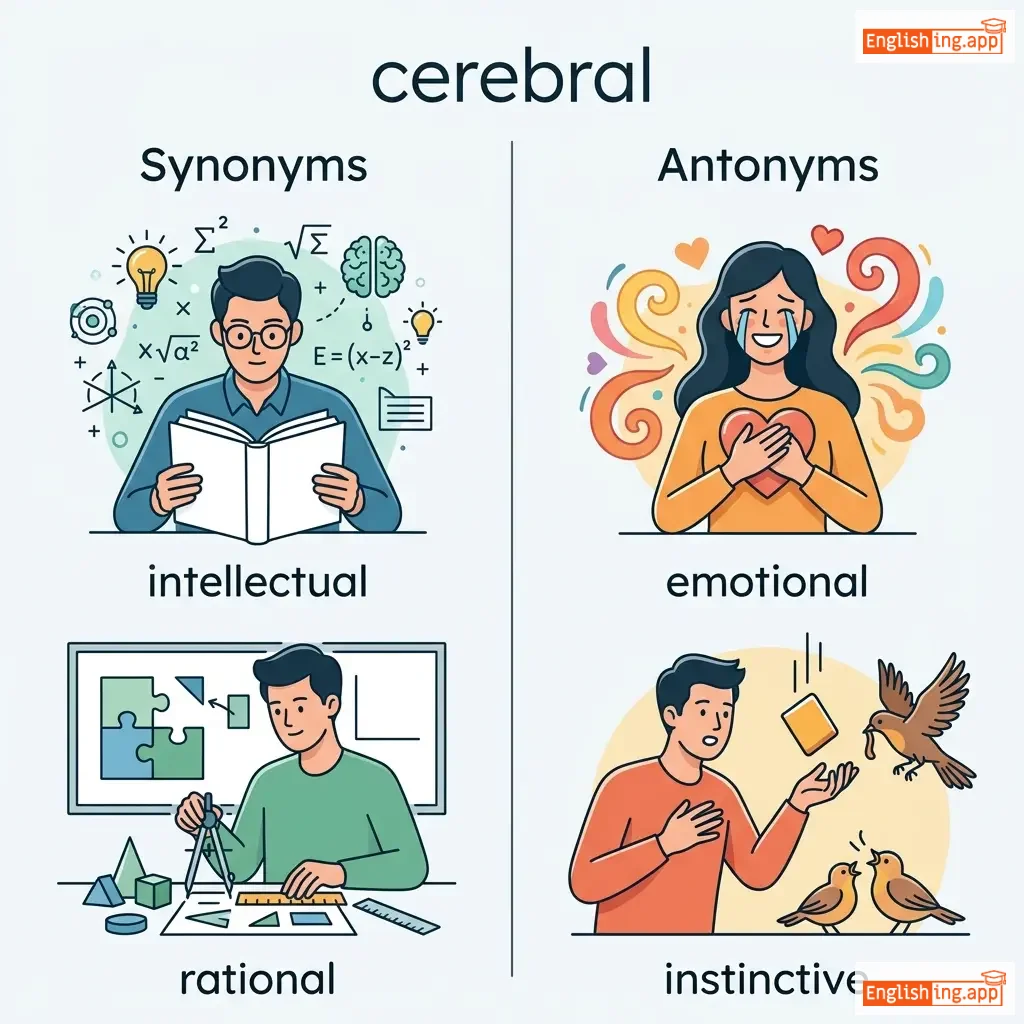
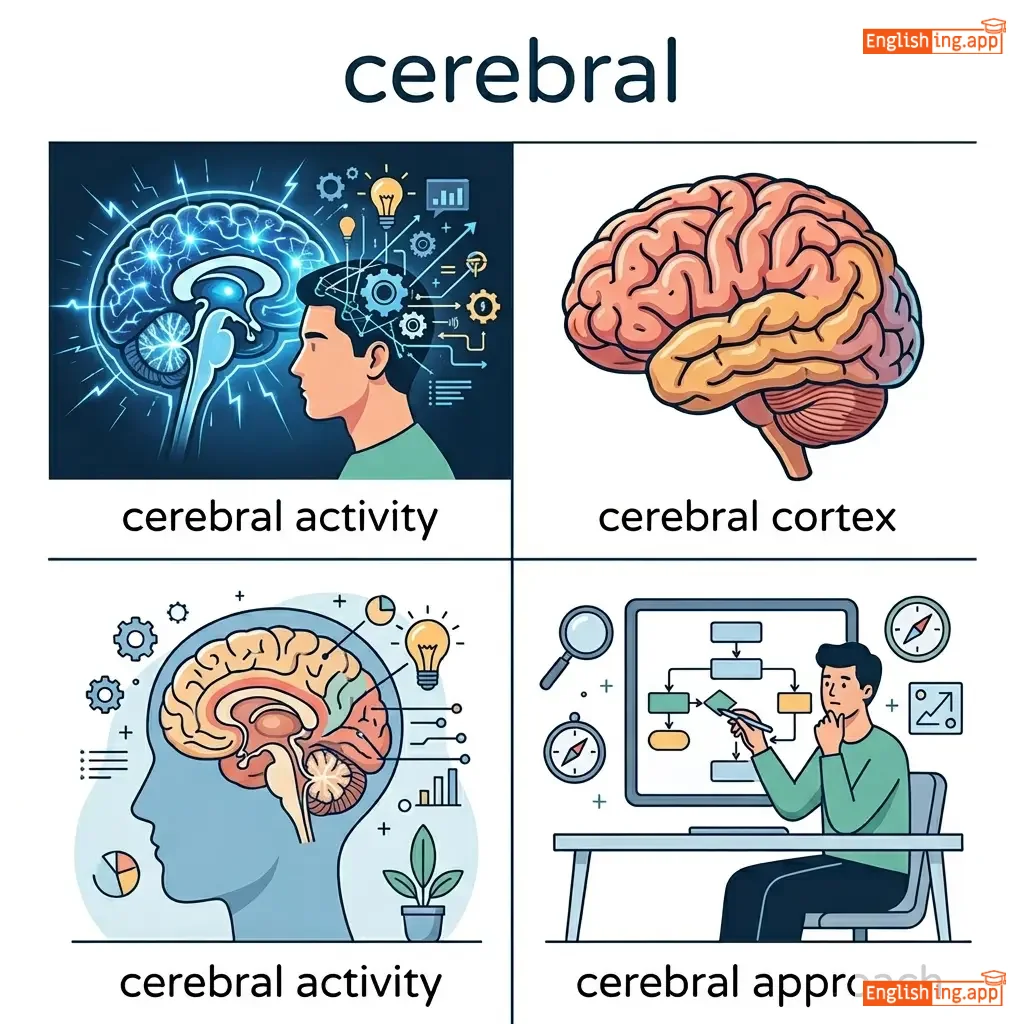
Related to thinking and mental activities of the brain.
••••••

The novel was highly cerebral, requiring deep analysis.

••••••
Intellectual, Brainy, Thoughtful
••••••
Emotional, Unintellectual, Instinctive
••••••
#1940
••••••
ˌɒp.tɪ.mɪˈzeɪ.ʃən
noun
••••••
••••••
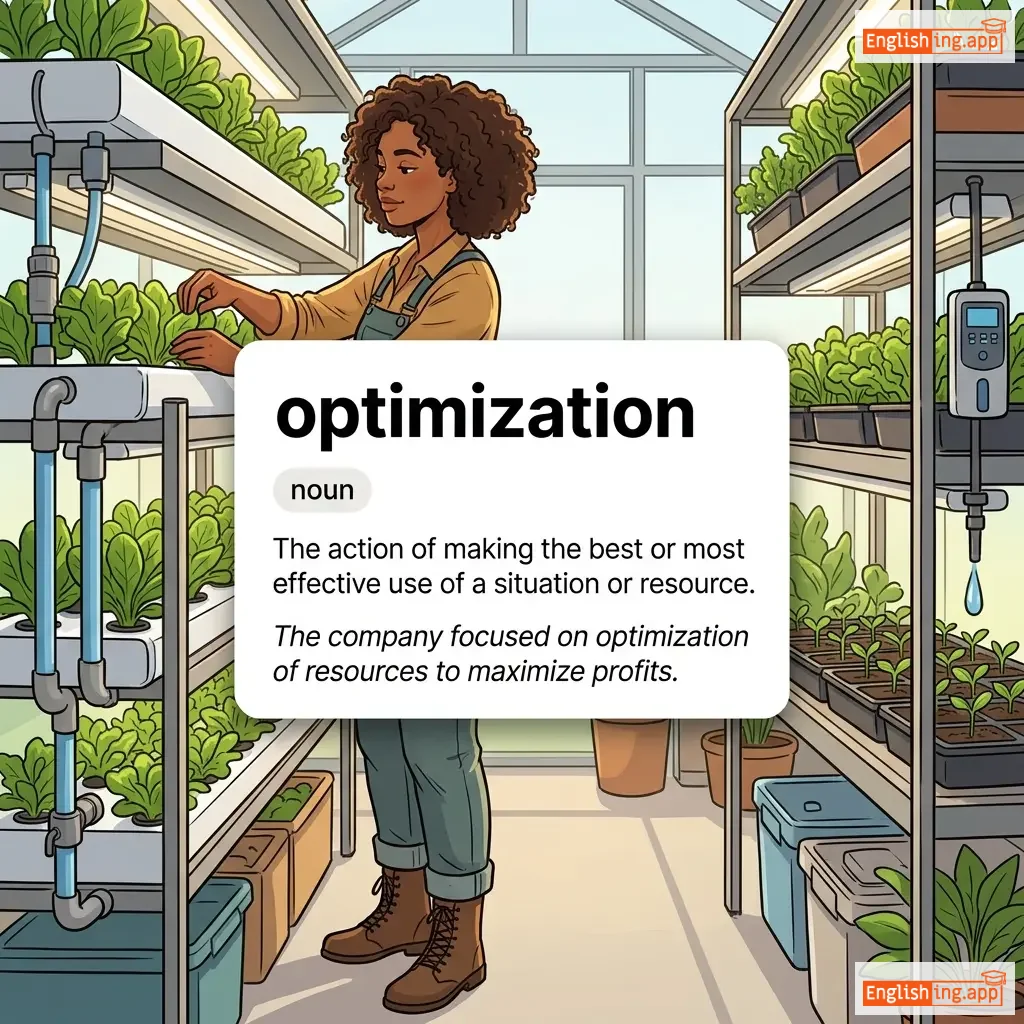
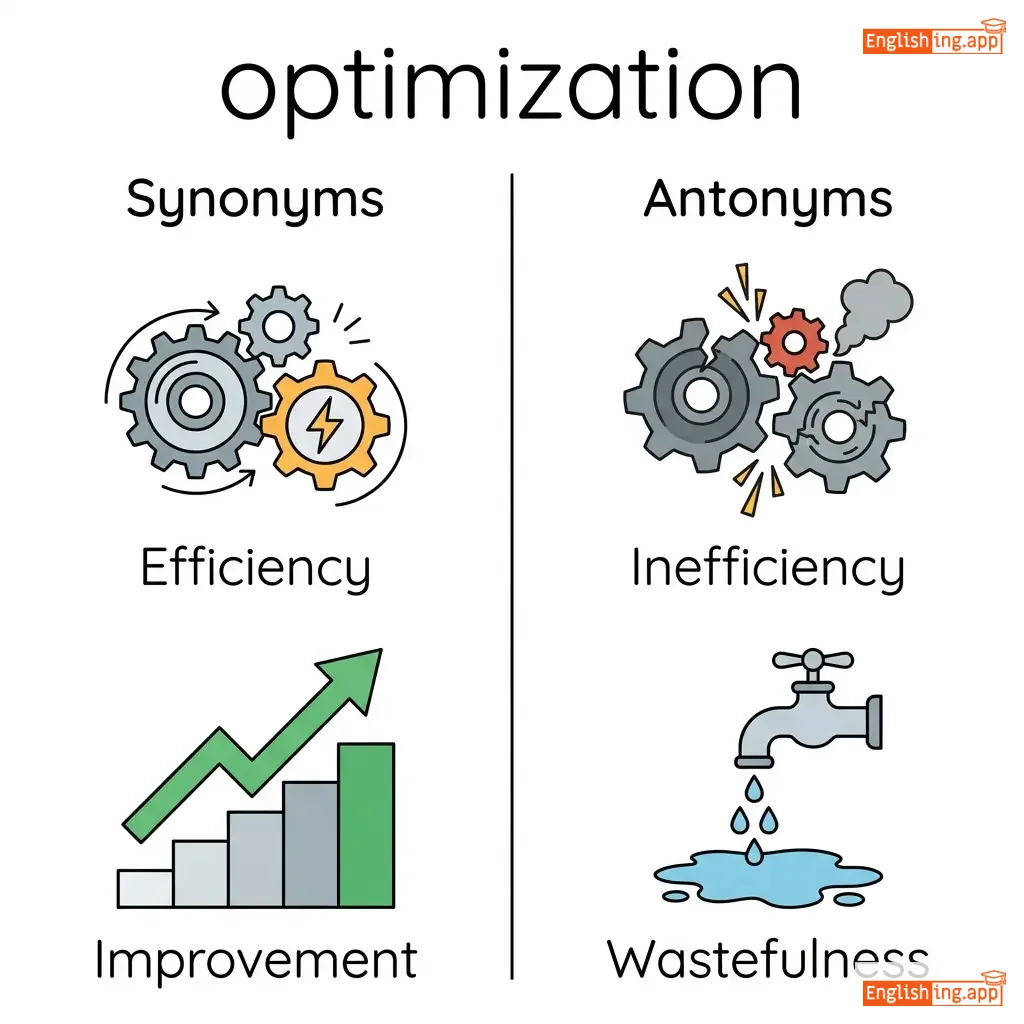
Making something work in the best possible way or improving it to achieve maximum effectiveness.
••••••

The company focused on optimization of resources to maximize profits.

••••••
Efficiency, Improvement, Refinement
••••••
Inefficiency, Wastefulness, Mismanagement
••••••
#1941
🏃
••••••
ˈɛk.spə.daɪt
verb
••••••
••••••
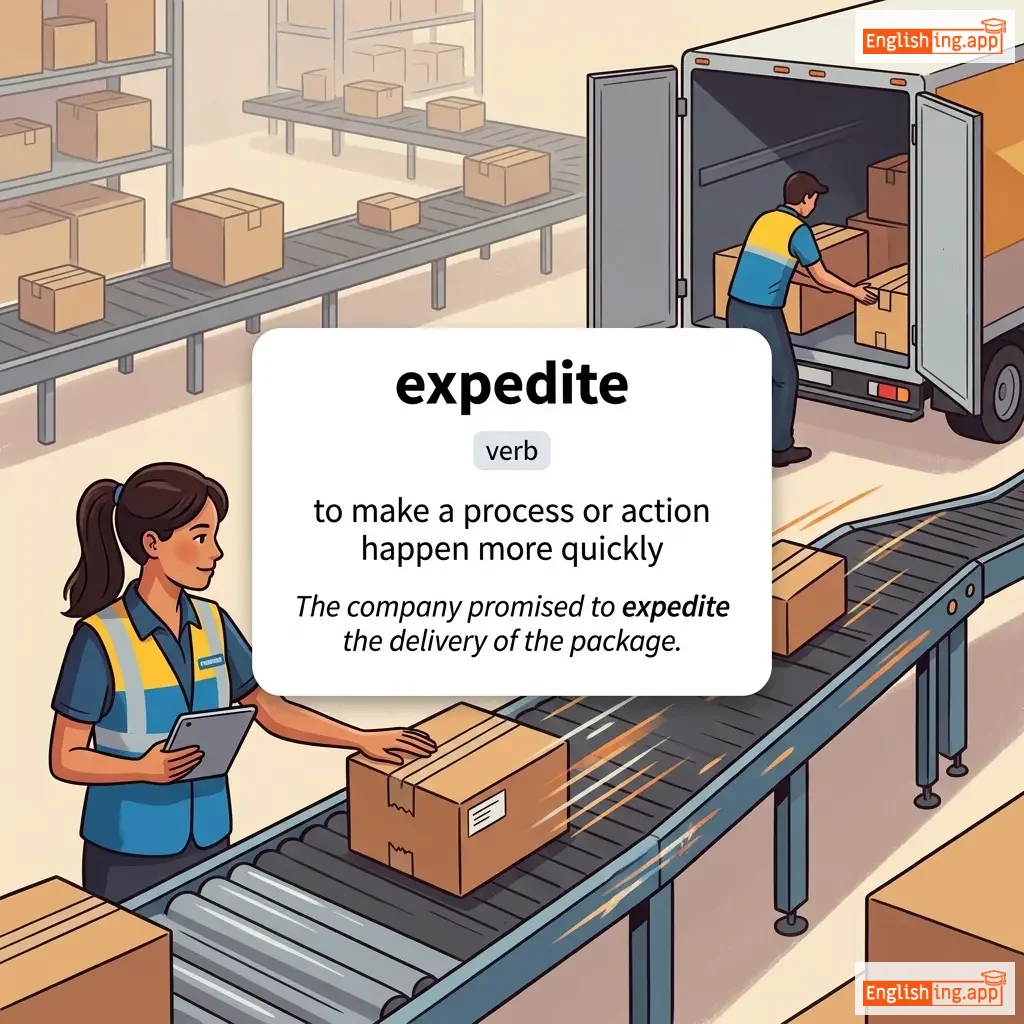
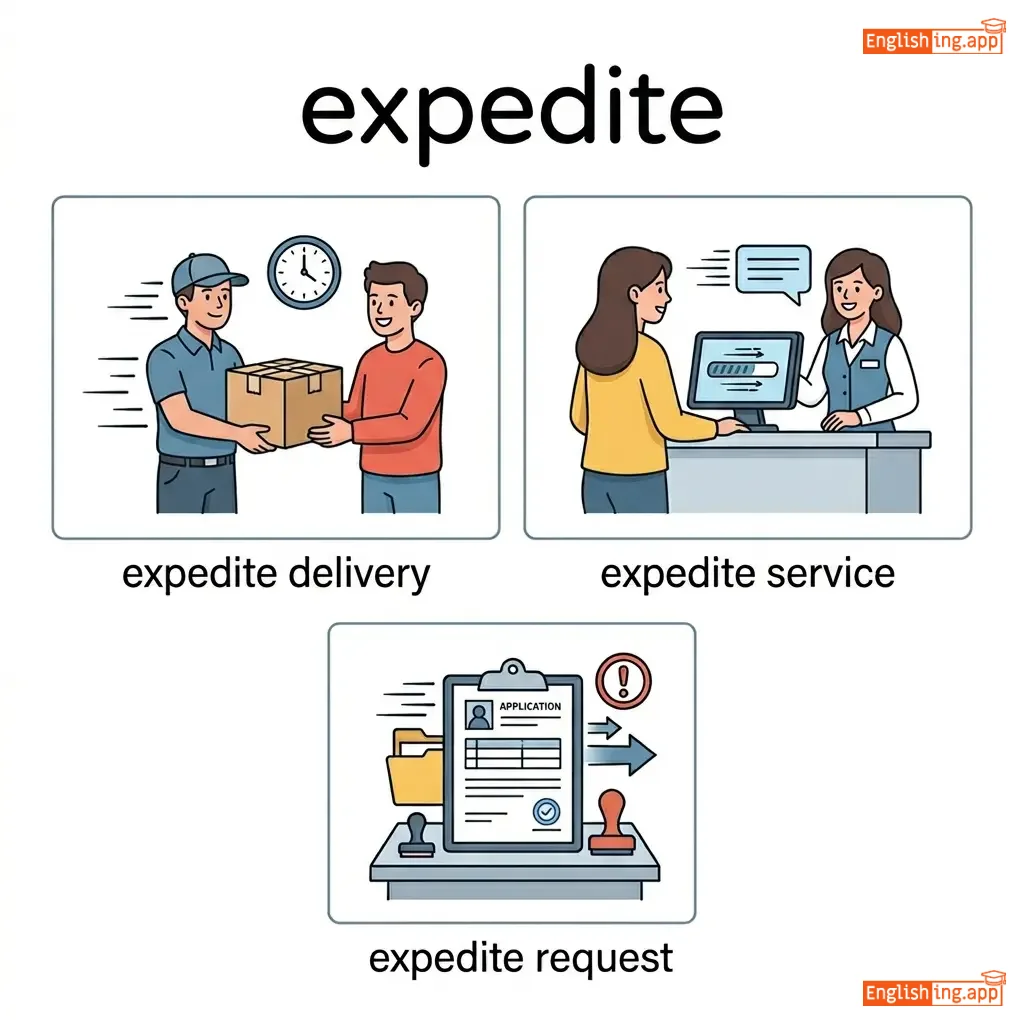
To speed up a process or complete work quickly.
••••••

The new policy aims to expedite the visa approval process.

••••••
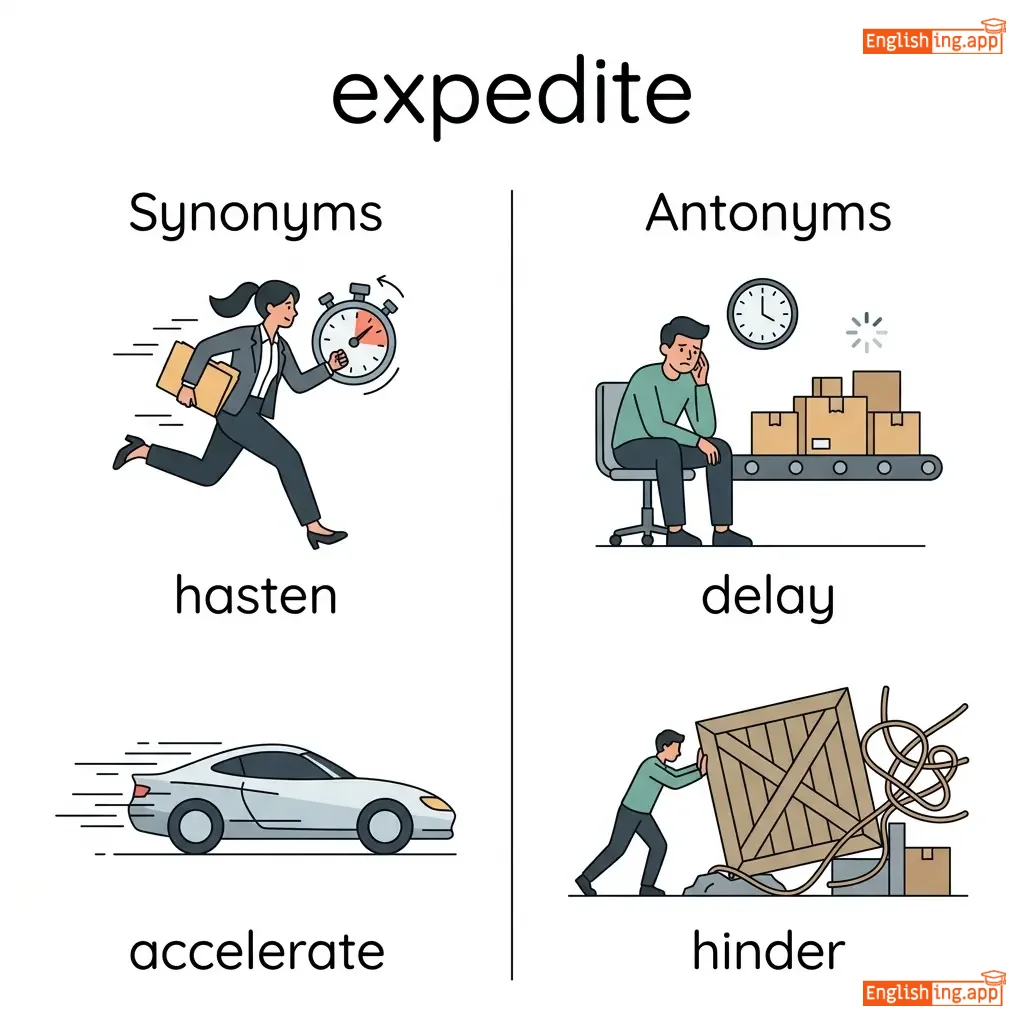
Accelerate, Hasten, Facilitate
••••••
Delay, Hinder, Slow Down
••••••