Vocabularies

English Vocabulary Dictionary | Word Meanings, Definitions & Examples

noun
/dɪˌskrɪmɪˈneɪʃən/

Unfair treatment of people based on race, gender, age, or other differences.

"The law prohibits discrimination in the workplace."

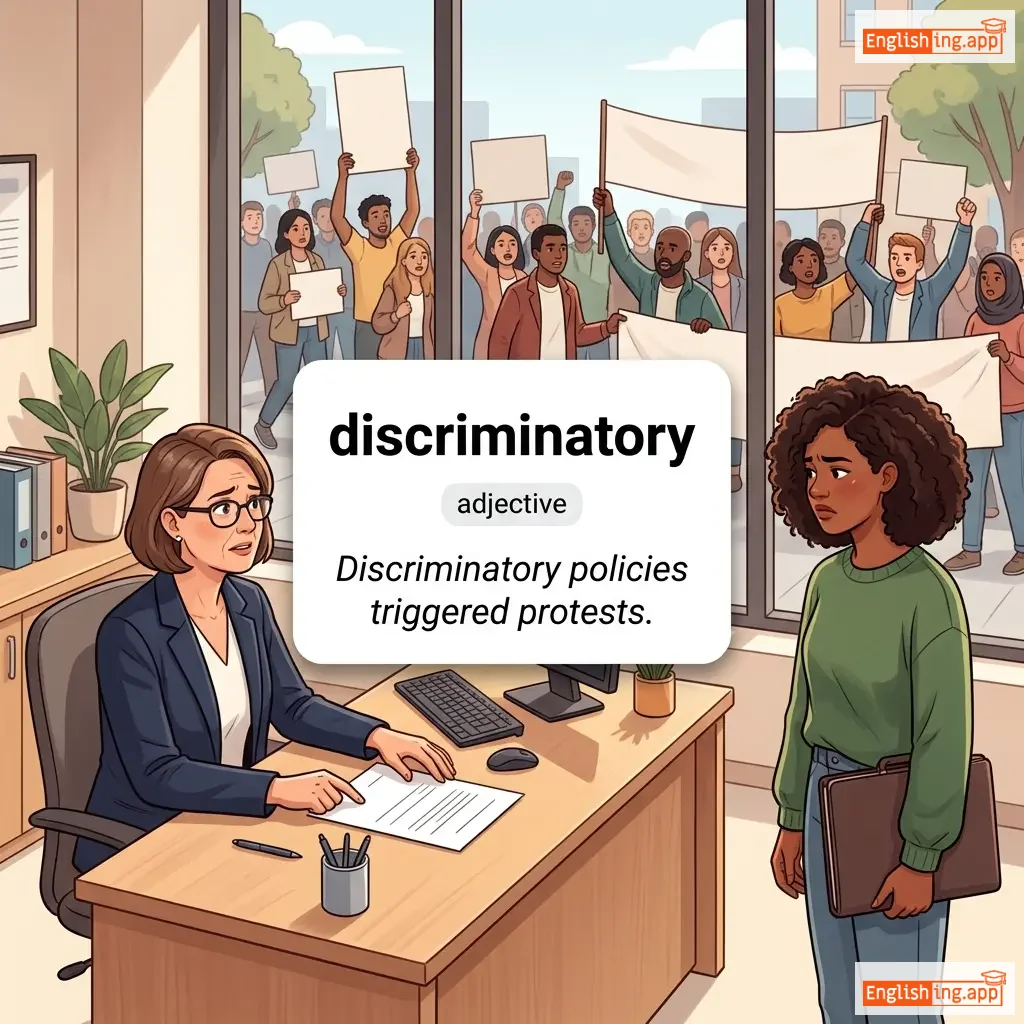
discriminatory definition card — visual illustration of the meaning
adjective
dɪˈskrɪmɪnətɔːri

Making or showing an unfair or prejudicial distinction between different categories of people or things.

"Discriminatory policies triggered protests."

adjective
/dɪsˈkɜrsɪv/

Tending to digress or move from topic to topic; lengthy and rambling.

"His discursive style made the lecture hard to follow."

verb
/dɪˈskʌs/

To talk about something with another person or group in detail.

"We need to discuss the project before finalizing it."

noun
/dɪˈskʌʃən/

The action or process of talking about something in order to reach a decision or share ideas.

"The project needs more discussion before moving forward."

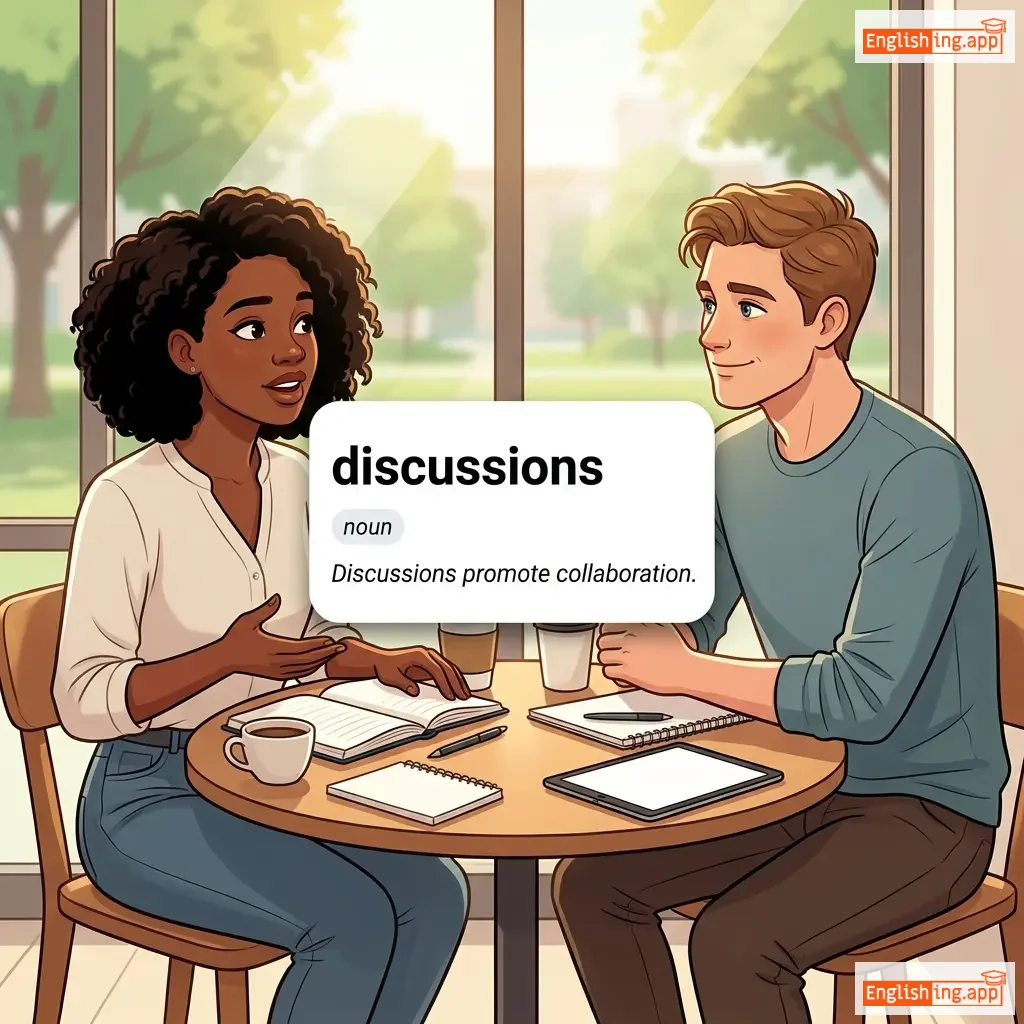
discussions definition card — visual illustration of the meaning
noun
dɪˈskʌʃ.ənz

The action or process of talking about something in order to reach a decision or to exchange ideas.

"Discussions promote collaboration."

noun/verb
/dɪsˈdeɪn/

The feeling that someone or something is unworthy of respect; to regard with contempt.

"She looked at the messy room with open disdain."

noun
/dɪˈziːz/

An illness or medical condition that affects the body or mind.

"The doctor is researching a cure for the disease."

adjective
/dɪˈziːzd/

affected by disease; suffering from illness; sick

"The diseased tree had to be removed from the garden."

🛳️

disembark

verb
/ˌdɪsɪmˈbɑːrk/

To leave a ship, aircraft, or other vehicle.

"The passengers disembarked from the plane after landing."

verb
/ˌdɪsɪnˈfræntʃaɪz/

To deprive someone of the right to vote or other rights.

"The new law could disenfranchise thousands of voters."

verb
/ˌdɪsɪnˈɡeɪdʒ/

To release or detach oneself from something; to withdraw.

"He tried to disengage from the heated argument."

verb
/ˌdɪsɪnˈtæŋɡl/

To free something or someone from a tangle or complication.

"She tried to disentangle her hair from the branches."

noun/verb
/dɪsˈfeɪvər/

disapproval or dislike; to regard with disapproval

"The new policy fell into disfavor with the public."

verb
/dɪsˈfɪɡjər/

to spoil or damage the appearance of something

"The fire disfigured the old building."

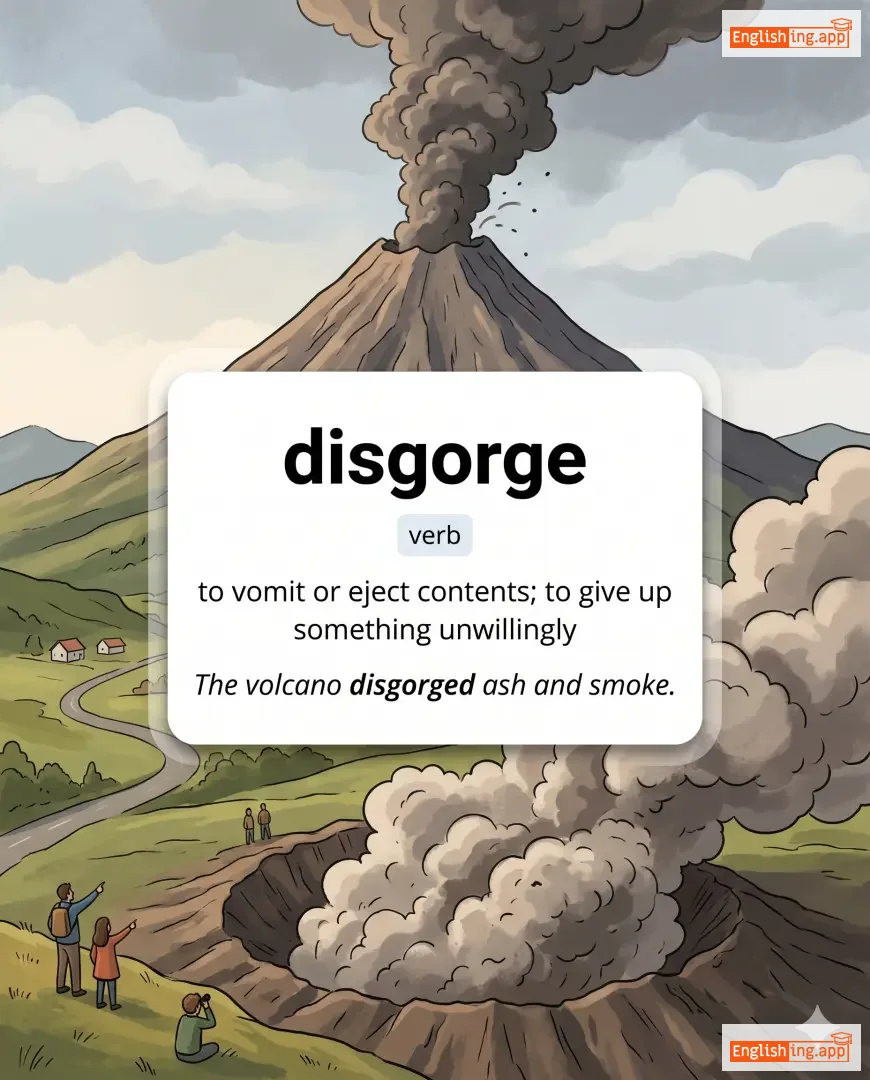
disgorge definition card — visual illustration of the meaning
verb
/dɪsˈɡɔrdʒ/

to vomit or eject contents; to give up something unwillingly

"The volcano disgorged ash and smoke."

noun
/dɪsˈɡreɪs/

Loss of respect, honor, or reputation due to shameful behavior.

"He was dismissed in disgrace after the scandal."

adjective
/dɪsˈɡreɪsfəl/

shameful; bringing dishonor; worthy of condemnation

"His disgraceful behavior shocked everyone at the party."

verb
/dɪsˈɡrʌntl/

to make someone dissatisfied or discontented

"The unfair treatment disgruntled the workers."

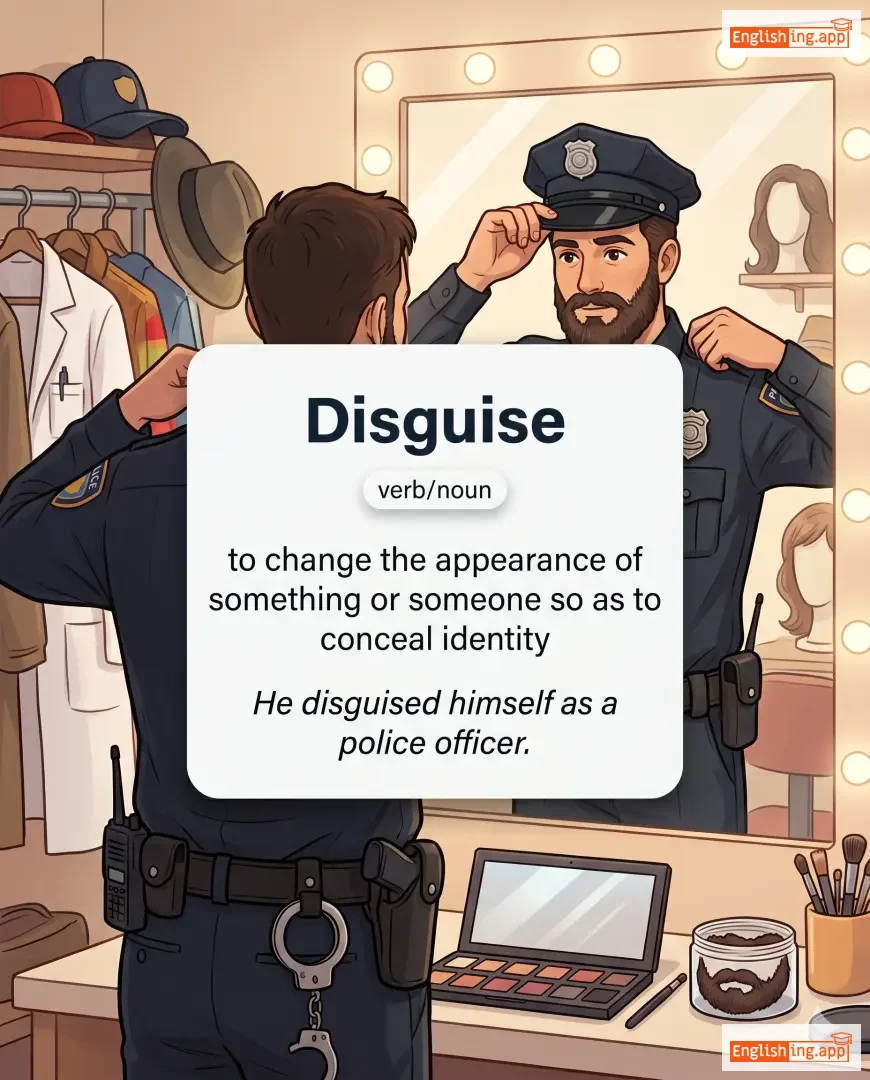
Disguise definition card — visual illustration of the meaning
verb/noun
/dɪsˈɡaɪz/

to change the appearance of something or someone so as to conceal identity

"He disguised himself as a police officer."

noun
/dɪsˈɡʌst/

a feeling of revulsion or strong disapproval aroused by something unpleasant

"She expressed her disgust at the politician's corrupt behavior openly."

adjective
/dɪsˈɡʌstɪd/

feeling a strong sense of dislike or revulsion

"She was disgusted by the way he treated the animals."

adjective
/dɪsˈɡʌstɪŋ/

extremely unpleasant or offensive; causing strong dislike or revulsion

"The smell coming from the trash can was absolutely disgusting."

🍽️

Dish

noun
/dɪʃ/

A shallow container for serving or preparing food; also a particular kind of food prepared.

"She prepared a delicious pasta dish for dinner."

🍽️🧽

Dish washer

noun
/ˈdɪʃ ˌwɒʃər/

an appliance for washing dishes automatically

"We installed a new dishwasher in our kitchen last week."

noun
/ˌdɪʃəˈbiːl/

The state of being only partly or loosely dressed; casual or careless attire.

"She answered the door in a state of dishabille, wearing just a robe."

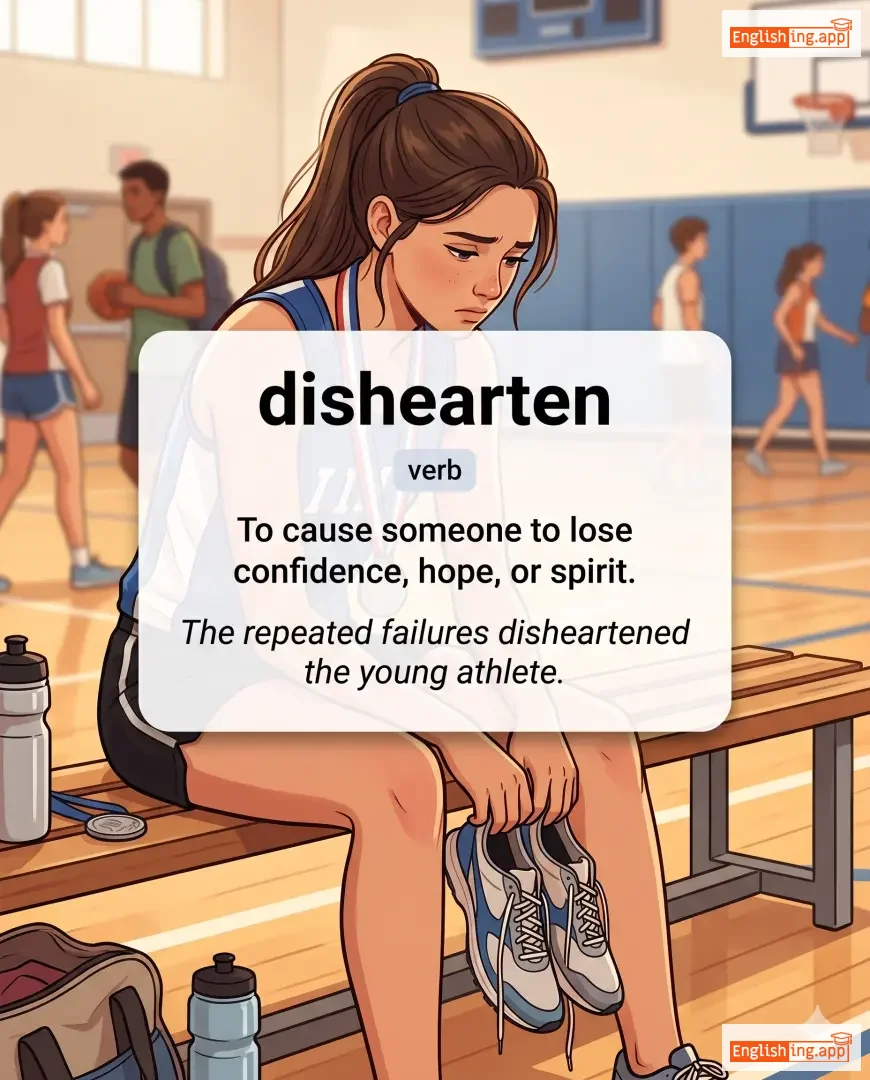
dishearten definition card — visual illustration of the meaning
verb
/dɪsˈhɑːrtən/

To cause someone to lose confidence, hope, or spirit.

"The repeated failures disheartened the young athlete."

adjective
/dɪsˈhɑːrtənd/

Having lost confidence, hope, or spirit; discouraged.

"She looked disheartened after receiving the bad news."

😵‍💫

disheveled

adjective
/dɪˈʃɛvəld/

Untidy, messy, or in disorder, especially of hair or clothing.

"He arrived with disheveled hair and wrinkled clothes."

adjective
/dɪsˈɑːnɪst/

Behaving in an untruthful or deceitful way; not honest.

"It is dishonest to cheat in exams."

noun, verb
/dɪsˈɑːnər/

a state of shame or loss of respect; to bring shame upon someone or something

"The soldier felt he had brought dishonor to his family."

noun
/dɪsˈɒn.ər/

a state of shame or disgrace; lack of honor or integrity; failure to fulfill obligations

"Breaking his promise brought dishonour to his name and family legacy."

verb, noun
/ˌdɪsɪˈluːʒən/

to cause someone to realize that something is not as good as they believed

"The scandal disillusioned many voters."

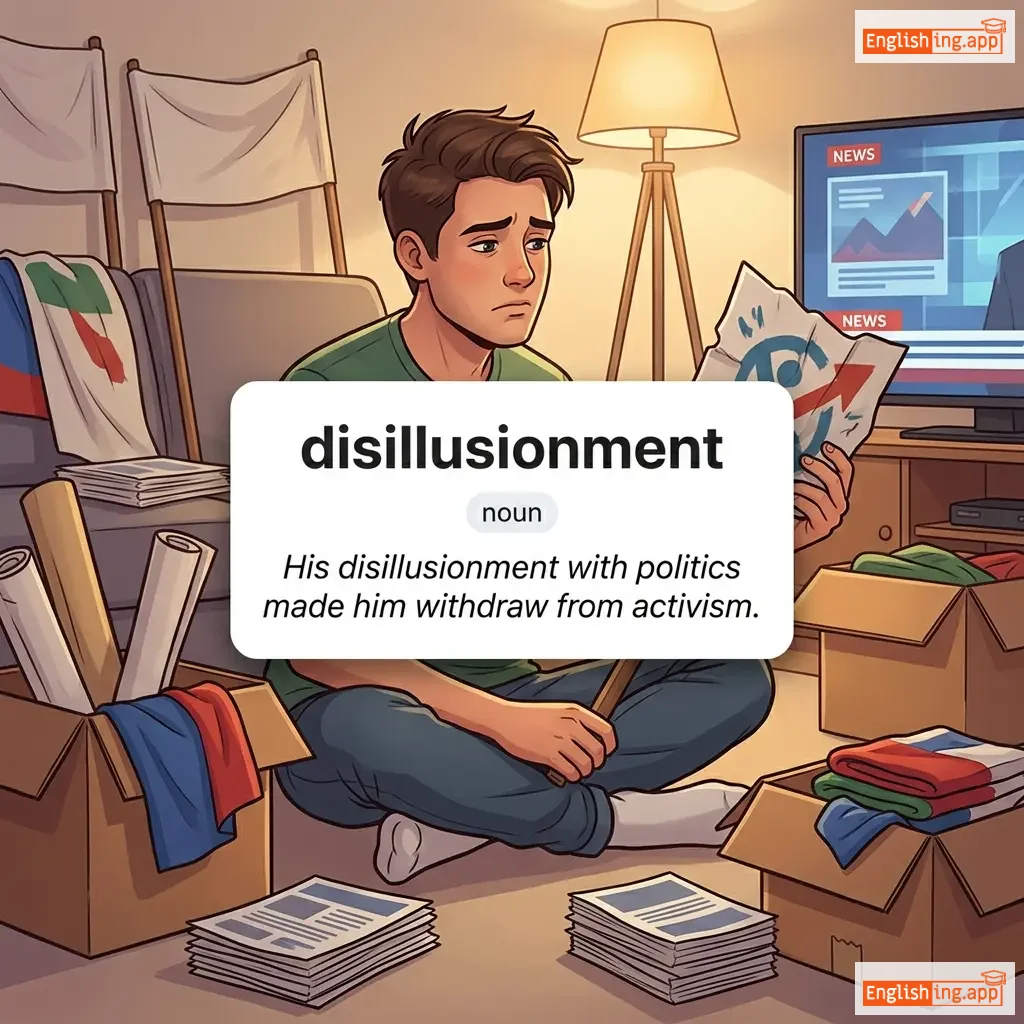
disillusionment definition card — visual illustration of the meaning
noun
/ˌdɪs.ɪˈluː.ʒən.mənt/

A feeling of disappointment resulting from the discovery that something is not as good as one believed it to be.

"His disillusionment with politics made him withdraw from activism."

noun
/ˌdɪsɪnklɪˈneɪʃən/

a lack of willingness or desire to do something

"She showed a clear disinclination to join the meeting."

verb
/ˌdɪsɪnˈfɛkt/

to clean something thoroughly to destroy bacteria or viruses

"The nurse disinfected the wound before applying a bandage."

noun
/ˌdɪsɪnˈfɛktənt/

a chemical substance used to kill harmful microorganisms on surfaces

"The cleaner sprayed disinfectant on the table."

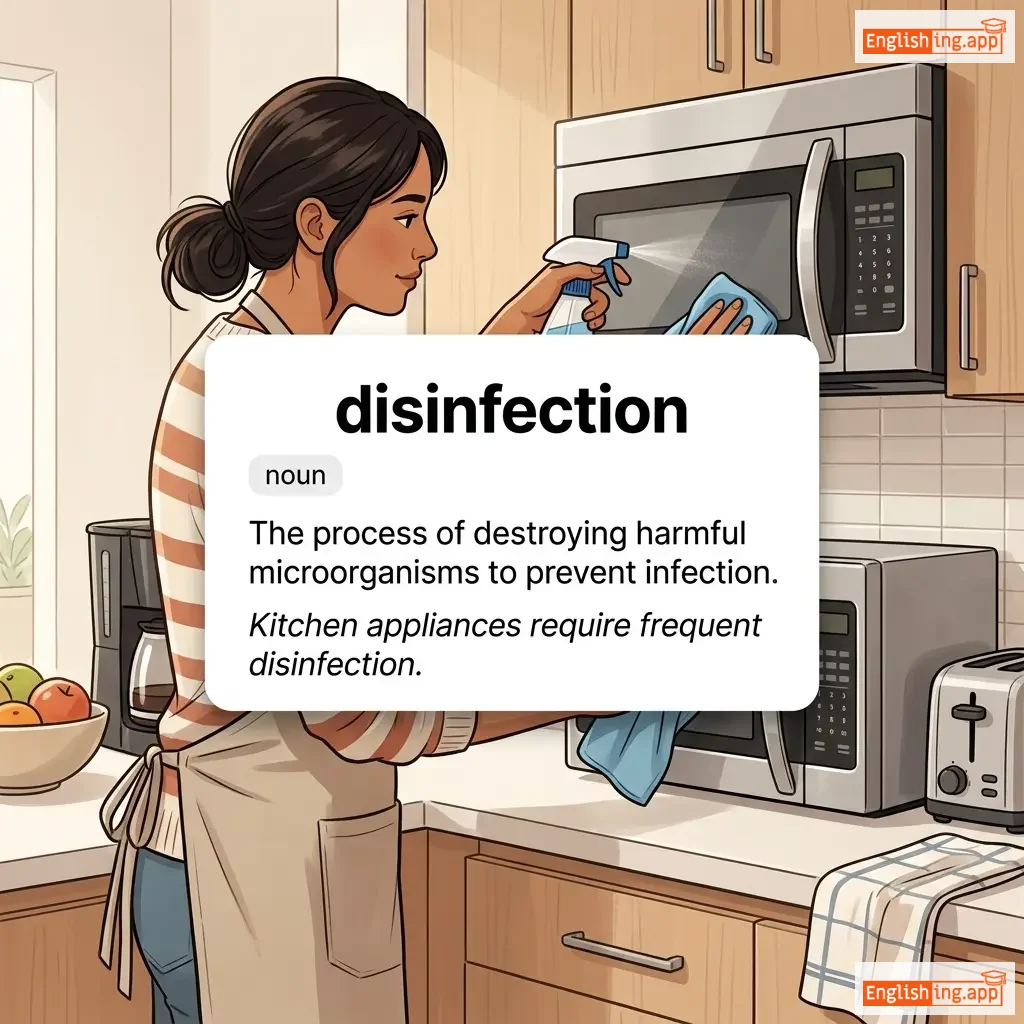
disinfection definition card — visual illustration of the meaning
noun
ˌdɪs.ɪnˈfek.ʃən

The process of destroying harmful microorganisms to prevent infection.

"Kitchen appliances require frequent disinfection."

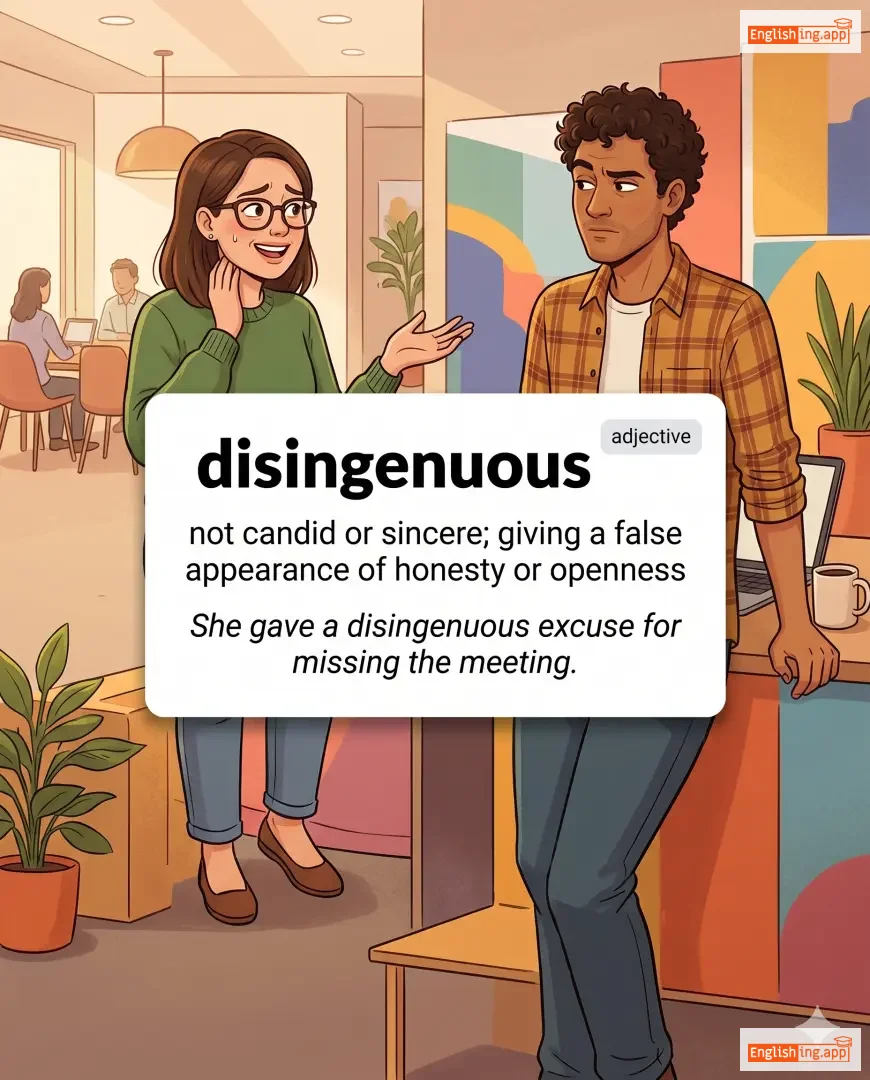
disingenuous definition card — visual illustration of the meaning
adjective
/ˌdɪsɪnˈdʒɛnjʊəs/

not candid or sincere; giving a false appearance of honesty or openness

"She gave a disingenuous excuse for missing the meeting."

🚫💰

disinherit

verb
/ˌdɪsɪnˈhɛrɪt/

to deprive someone, especially a child, of inheritance or right to property

"The father threatened to disinherit his son for his reckless actions."

⚰️

disinter

verb
/ˌdɪsɪnˈtɜːr/

to dig up something buried, especially a body

"The archaeologists disinterred ancient remains from the site."

noun
/dɪsˈɪntrəst/

lack of interest or concern

"His disinterest in the project was obvious."

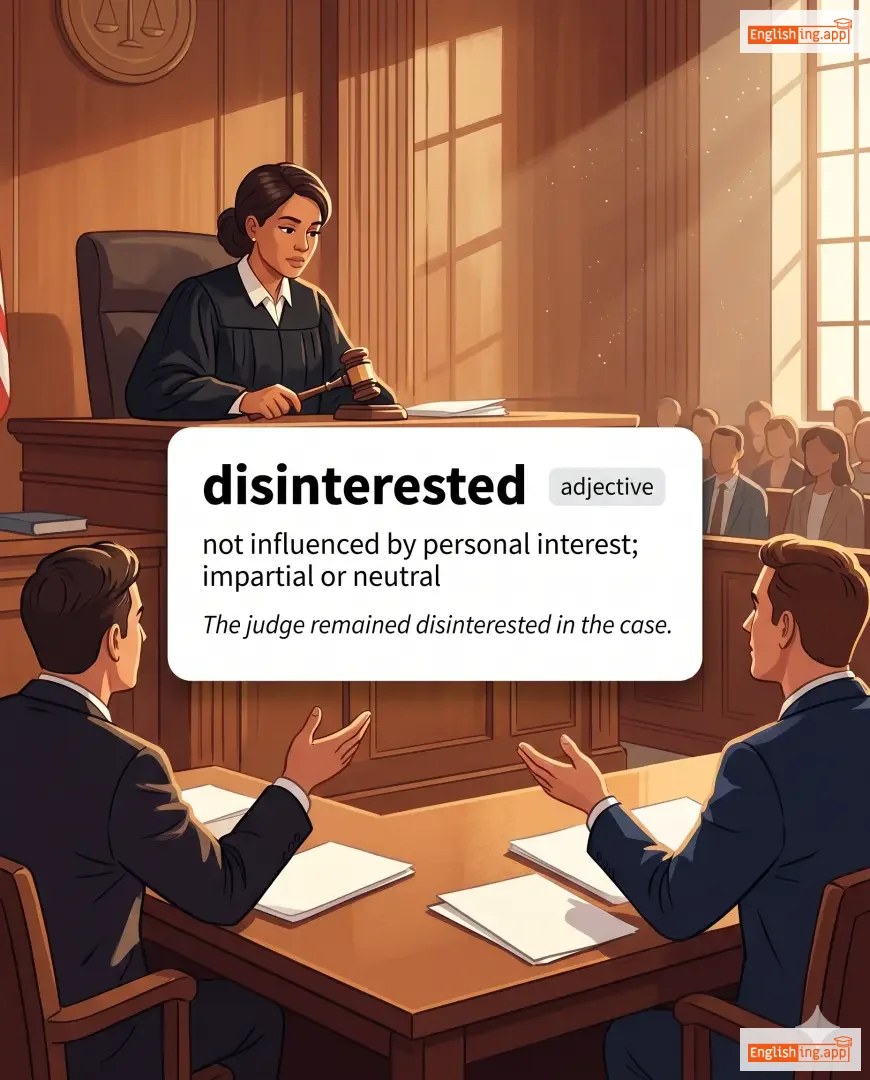
disinterested definition card — visual illustration of the meaning
adjective
/dɪsˈɪntrəstɪd/

not influenced by personal interest; impartial or neutral

"The judge remained disinterested in the case."

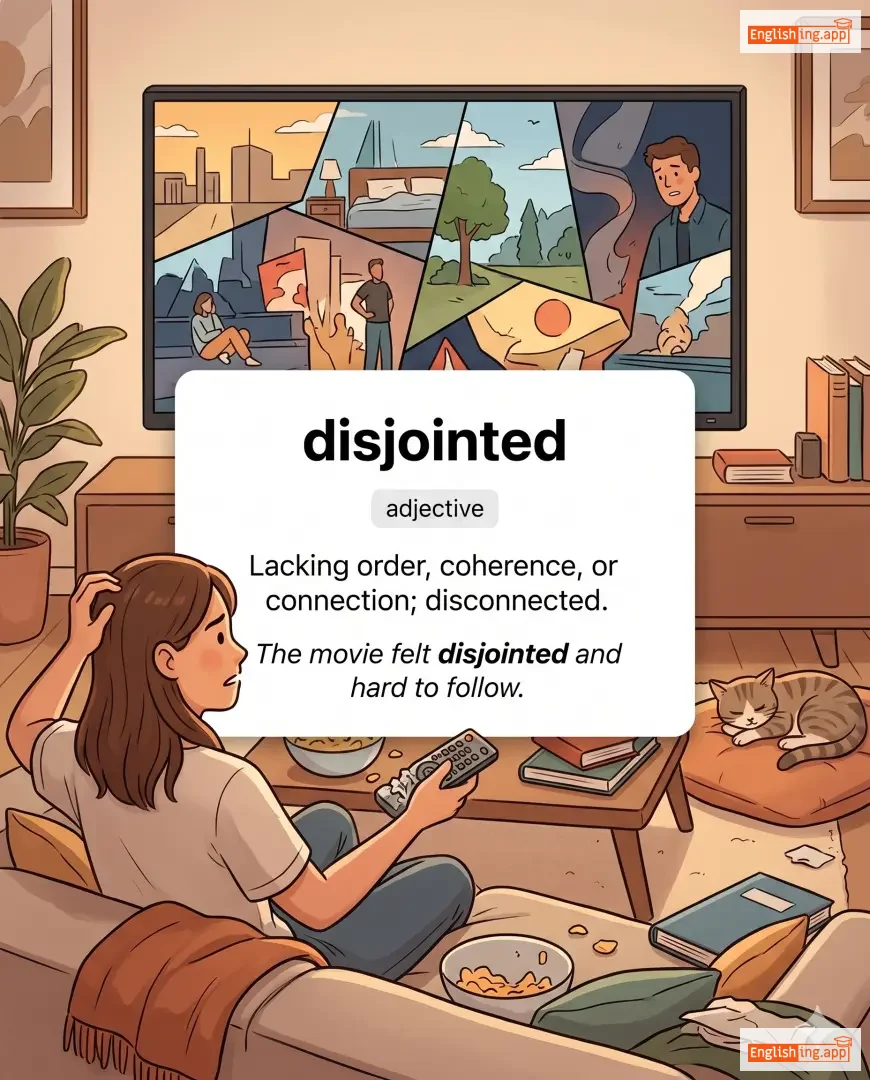
disjointed definition card — visual illustration of the meaning
adjective
/dɪsˈdʒɔɪntɪd/

Lacking order, coherence, or connection; disconnected.

"The movie felt disjointed and hard to follow."

noun
/dɪsˈdʒʌŋkʃən/

A lack of connection between things; separation or disunity.

"There is a clear disjunction between theory and practice."

adjective
/dɪsˈdʒʌŋktɪv/

Serving to separate or divide; expressing a choice between alternatives.

"In grammar, 'or' is a disjunctive conjunction."

💽

disk

noun
/dɪsk/

a flat, circular object, often used to store data electronically

"All the data is saved on a hard disk."

verb, noun
/dɪsˈlaɪk/

to feel distaste or aversion for someone or something; a feeling of aversion

"I really dislike eating spicy food."

verb
/ˈdɪsləkeɪt/

To disturb the normal position of something, especially a joint in the body.

"He dislocated his shoulder while playing football."

verb
/dɪsˈlɒdʒ/

To remove or force out from a position, especially one that is fixed or hard to move.

"The troops dislodged the enemy from the hill."